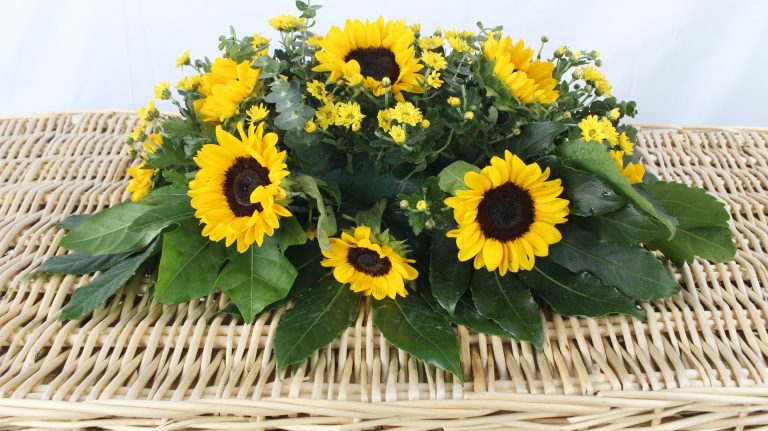
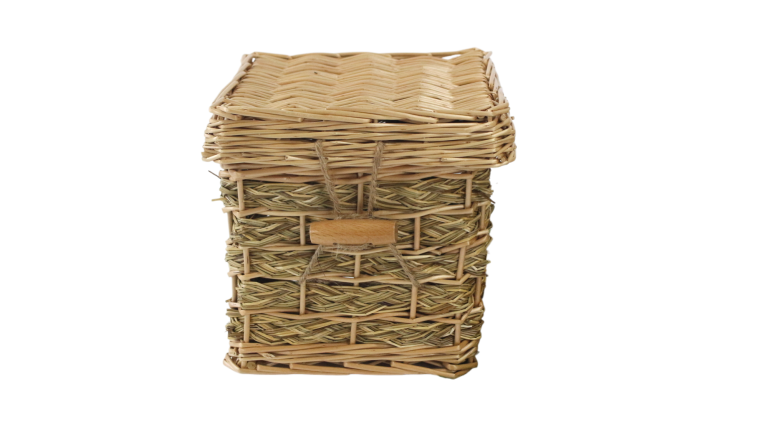
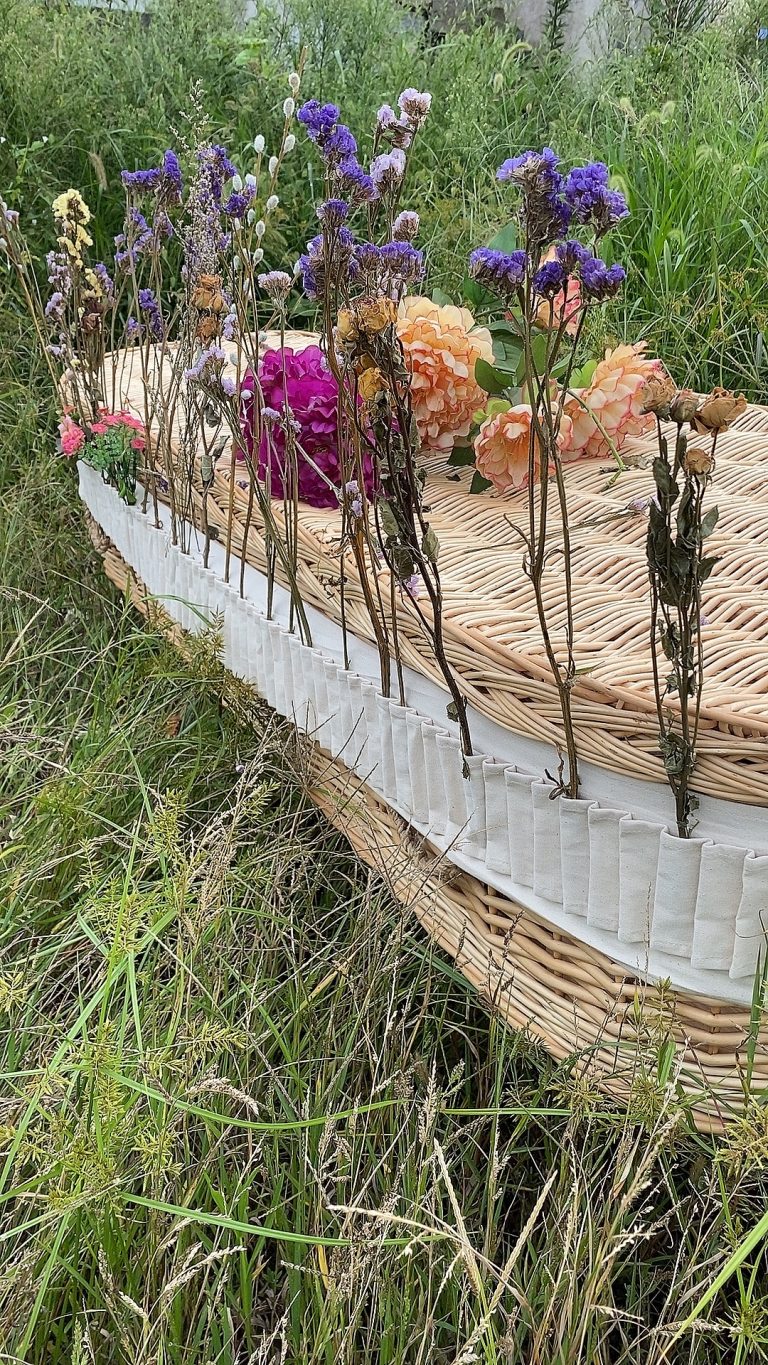
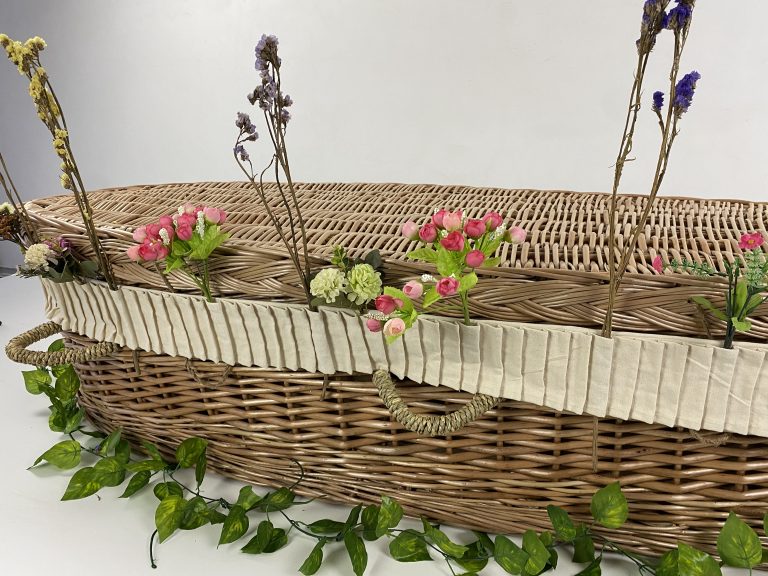
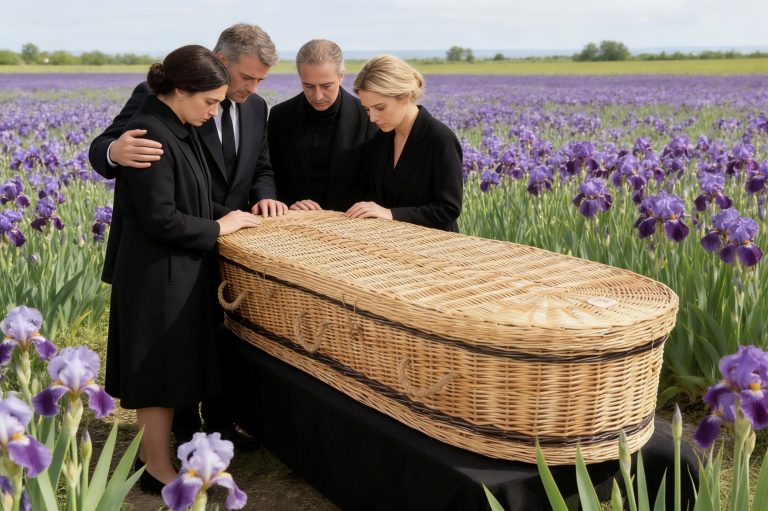
The journey of a willow casket begins on the riverbanks of Linshu County, Shandong Province—China’s ancestral home of willow weaving with a 1,400-year history . Here, 600 hectares of standardized 杞柳 (Qi willow) plantations thrive in fertile river valleys, their branches nurtured by temperate climates to grow smooth, straight, and resilient . In early summer, harvesters select branches of 筷子粗细 (chopstick thickness)—too thin and they lack strength, too thick and they break during weaving —slicing them at sharp angles to ensure clean cuts before bundling for processing.
Linshu’s factories turn these raw branches into casket foundations through time-honored techniques. Fresh willow is steamed in electric boilers to soften bark, then stripped to reveal ivory-white cores that dry evenly under the sun . Artisans use interlocking “twist-weave” methods perfected over centuries, forming honeycomb patterns that balance structural integrity with flexibility . Crucially, no toxic adhesives or finishes taint the process—only natural willow, honoring Linshu’s commitment to eco-friendly craft . Each casket is tailored for English markets: adjusted to standard UK dimensions, with linen linings sewn into hand-woven frames .
Loaded onto cargo ships, the caskets travel 8,000 kilometers to rural England, where they arrive at workshops in Somerset or Devon. Local craftspeople add subtle touches—hand-painted floral motifs or woven nameplates—yet the core craftsmanship remains distinctly Linshu . “The weave density from Linshu is unmatchable,” notes Cornish artisan Emma Carter. “It’s the difference between a casket that lasts a lifetime of ceremonies and one that falls apart.”
Finally, the casket returns to the earth. Buried in English churchyards, Linshu’s willow begins biodegrading within 18 months, its fibers merging with soil to nurture new growth . Unlike oak or pine coffins that take decades to break down, Linshu’s willow completes the cycle seamlessly—from riverbank harvest to soil renewal. For both Chinese weavers and English mourners, this journey embodies a shared truth: sustainability begins at the source.
We are a factory supporting eco friendly green funeral(natural willow coffins\bamboo caskets and so on) .. for detail please contact us www.roconly.com;
Roconly (LinYi) Funeral Supplies Co.,Ltd.
Whatsapp: +86-18265103836 (Whatsapp & Wechat & Tel)
Email: jason@roconly.com
#willowcoffin#greencoffins#bamboocaskets#urns#naturalcoffins#chinafactory#scattertube#naturalburial#FuneralSupplies#cross#flowerbands#shrouds #carrierfuneral
We are a factory supporting eco friendly green funeral(natural willow coffins\bamboo caskets and so on) .. for detail please contact us www.roconly.com;
Roconly (LinYi) Funeral Supplies Co.,Ltd.
Whatsapp: +86-18265103836 (Whatsapp & Wechat & Tel)
Email: jason@roconly.com
#willowcoffin#greencoffins#bamboocaskets#urns#naturalcoffins#chinafactory#scattertube#naturalburial#FuneralSupplies#cross#flowerbands#shrouds #carrierfuneral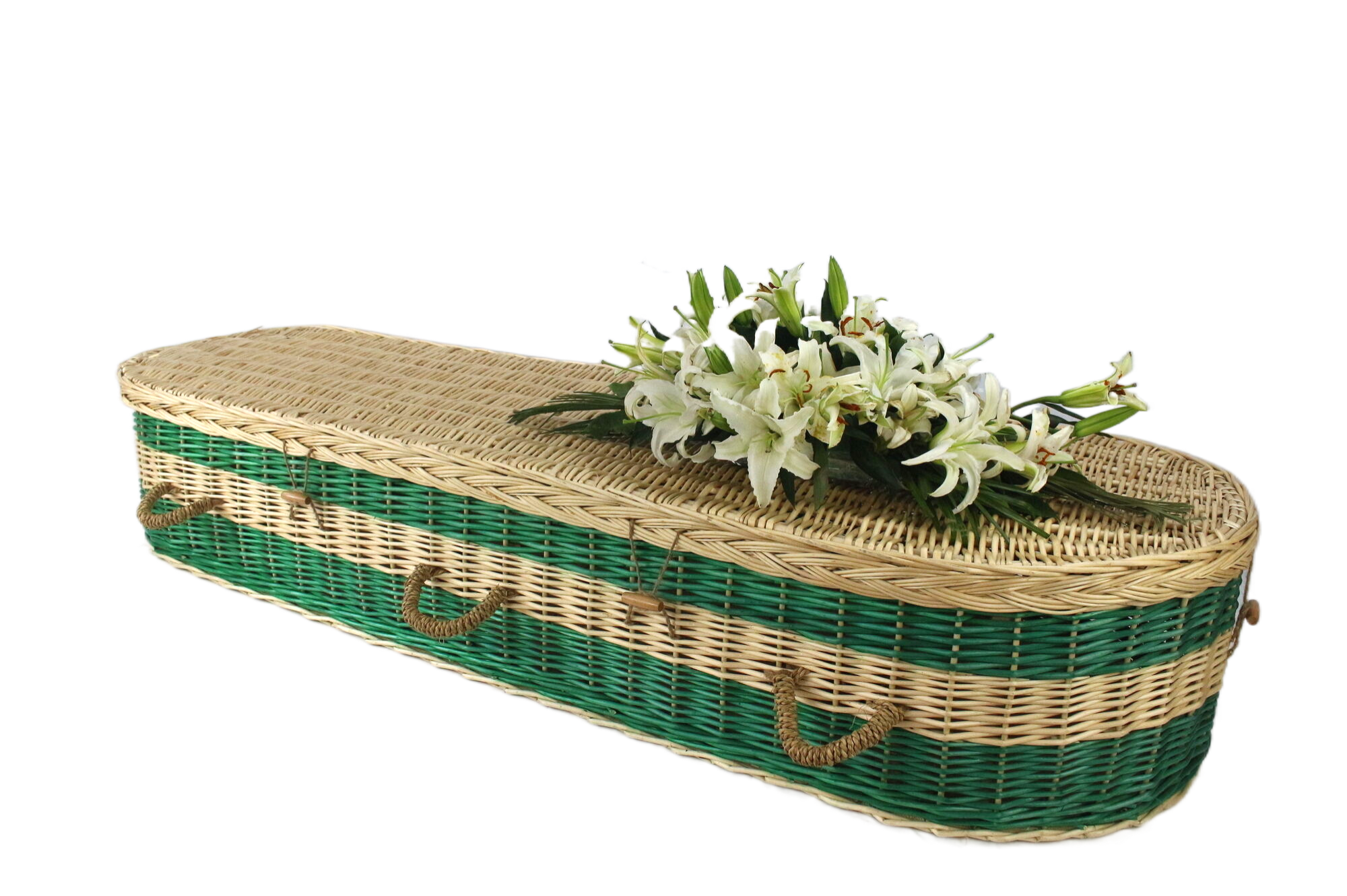 Willow coffins are by far the ultimate in environmental recycling.The willow is grown in rows of bushes and once harvested can grow back to the same height within a year#roconlycoffins #everecoffin#English willow coffins #should willow coffin pill have won #willow coffin makers@everyone@followers