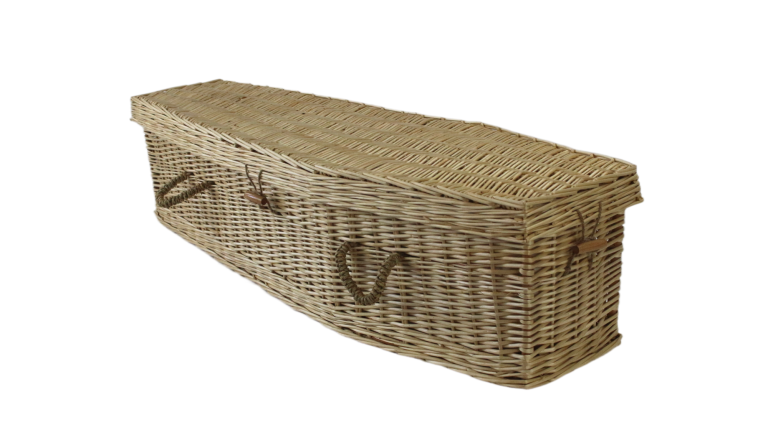
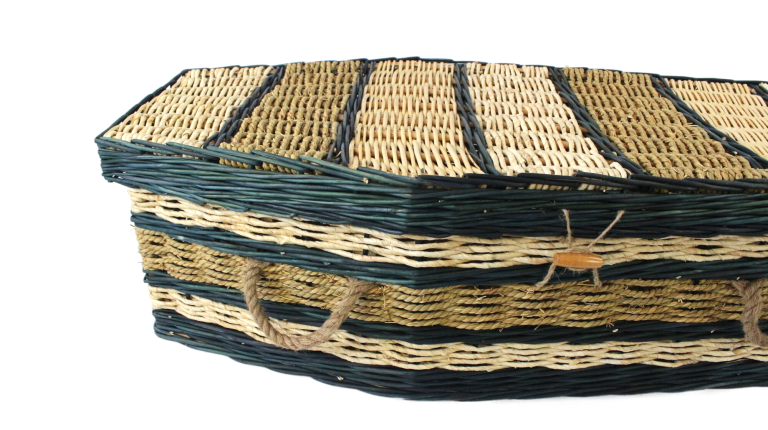
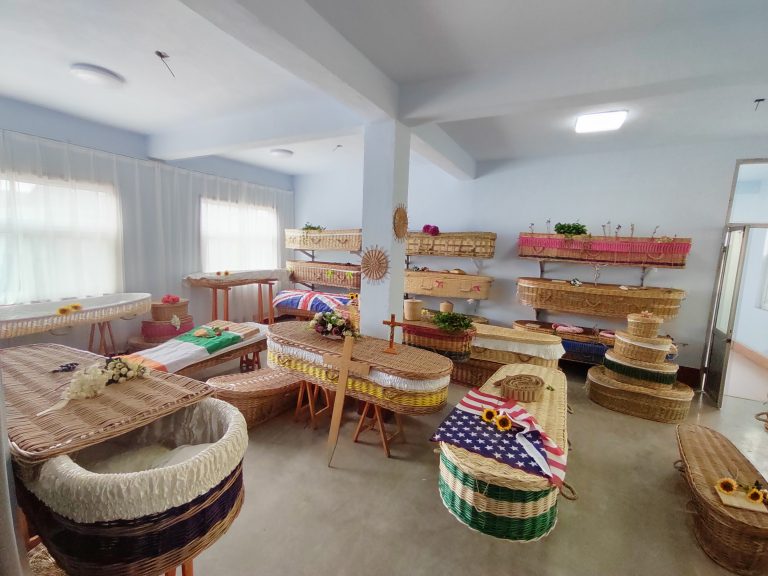
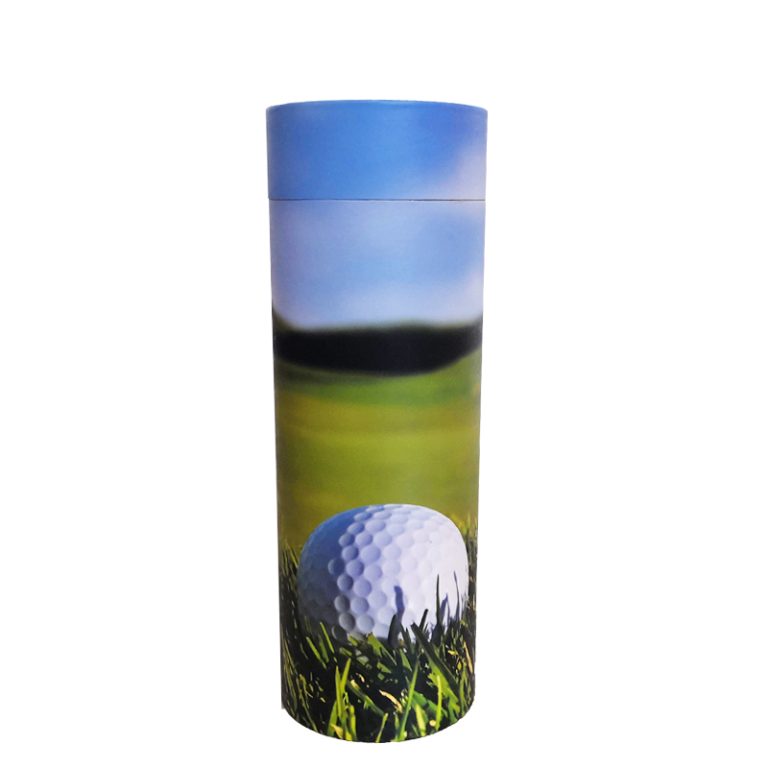
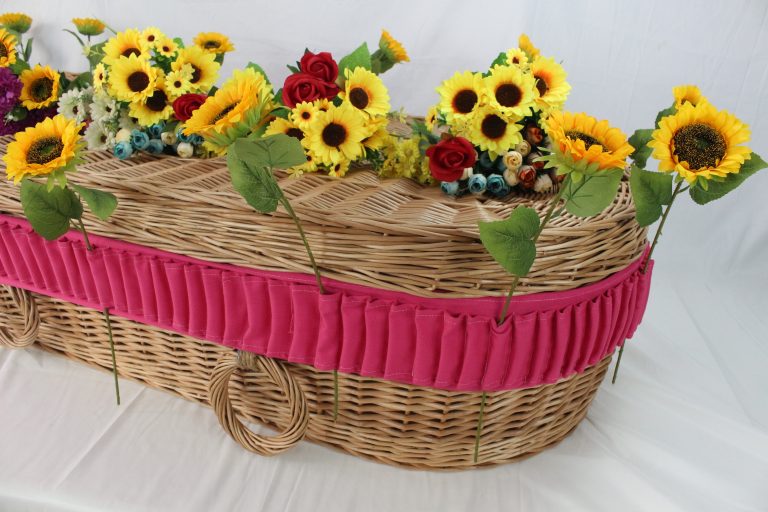
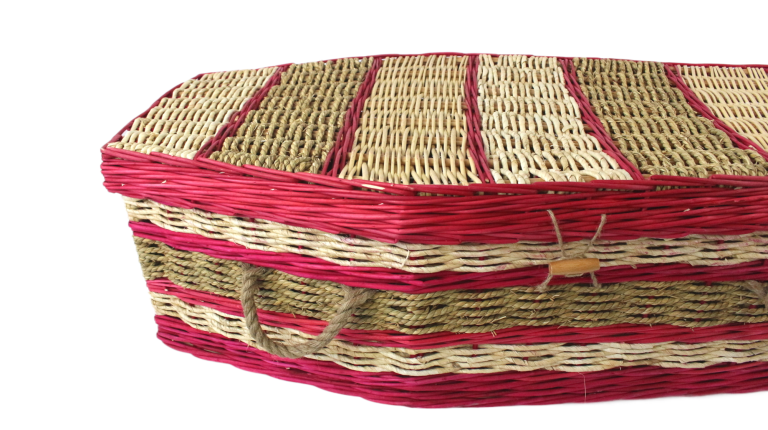
In an era of climate crisis and resource depletion, every choice—including our final farewell—can be a meaningful act of environmental stewardship. Biodegradable caskets, particularly those crafted from woven natural materials, are emerging as a powerful symbol of humanity’s reconciliation with nature. These eco-friendly alternatives not only honor the deceased but also actively contribute to planetary health, transforming funeral practices into a legacy of sustainability.
Table of Contents
The Environmental Cost of Traditional Burials
Conventional burial methods often carry a heavy ecological footprint. Traditional wooden caskets may involve deforestation and chemical treatments, while metal caskets consume significant energy in production and resist decomposition. Similarly, cremation releases carbon dioxide and other emissions into the atmosphere. These practices, rooted in tradition, inadvertently perpetuate a cycle of resource depletion and pollution, distancing us from the natural cycles of life and decay.
Woven Biodegradable Caskets: A Sustainable Alternative
Woven caskets, made from renewable materials like bamboo, willow, rattan, and seagrass, offer a solution that aligns with the principles of a circular economy. These materials are rapidly renewable, require minimal energy to process, and decompose completely, enriching the soil without leaving harmful residues. For instance, bamboo, one of the fastest-growing plants, regenerates quickly and absorbs atmospheric carbon during its growth.
Unlike traditional coffins, which can take decades to break down, woven caskets biodegrade within a few years, facilitating the return of nutrients to the earth. This seamless reintegration into ecosystems embodies the concept of “dust to dust,” offering a tangible way to reduce waste and support terrestrial health.
LinYi LinShu: A Hub of Green Craftsmanship
In Shandong Province, China, the LinYi LinShu region has become a global leader in producing woven biodegradable caskets. Factories here leverage decades of expertise in traditional weaving techniques, combining artisanal skills with modern sustainability standards. For example, companies like Roconly (LinYi) Crafts Co., Ltd. specialize in crafting caskets from locally sourced willow and reed, supporting regional agriculture while reducing transportation emissions.
These workshops often operate as community-centered enterprises, providing employment to rural artisans and preserving cultural heritage. By prioritizing eco-friendly materials and processes, they demonstrate how local industries can align with global sustainability goals, such as the UN’s Responsible Consumption and Production (SDG 12) and Climate Action (SDG 13).
Global Relevance and Long-Term Impact
The global shift toward green funerals is accelerating. The green burial service market is projected to grow at a compound annual growth rate (CAGR) of 8.6%, reflecting increasing consumer demand for environmentally conscious options. From Europe’s “mushroom coffins” that decompose in 45 days to North America’s natural burial grounds, innovators are reimagining end-of-life choices.
LinYi临沭’s role in this movement extends beyond local impact. By exporting biodegradable caskets worldwide, the region helps reduce the carbon footprint of funeral practices internationally. Each casket serves as a “final gift” that combats deforestation, soil pollution, and climate change—a testament to how regional craftsmanship can drive global change.
A Call to Action
Policymakers, environmental organizations, and researchers can amplify this impact by:
Establishing certifications for biodegradable funeral products, ensuring they meet strict ecological standards.
Revising burial regulations to encourage green alternatives, such as permitting natural interments without concrete vaults.
Supporting sustainable supply chains, like those in LinYi LinShu, through incentives for eco-innovation and rural employment.
Conclusion
Biodegradable woven caskets represent more than a product—they are a philosophy. By choosing them, we honor our loved ones while affirming our commitment to the planet. In LinYi Linshu’s workshops, where willow and bamboo are woven into vessels of return, we find a model for harmonizing human traditions with Earth’s needs. In this final act, we give back to the earth, leaving a legacy of regeneration for generations to come.
We are a factory supporting eco friendly green funeral(natural willow coffins\bamboo caskets and so on) .. for detail please contact us www.roconly.com;
Roconly (LinYi) Funeral Supplies Co.,Ltd.
Whatsapp: +86-18265103836 (Whatsapp & Wechat & Tel)
Email: jason@roconly.com
#willowcoffin#greencoffins#bamboocaskets#urns#naturalcoffins#chinafactory#scattertube#naturalburial#FuneralSupplies#cross#flowerbands#shrouds #carrierfuneral 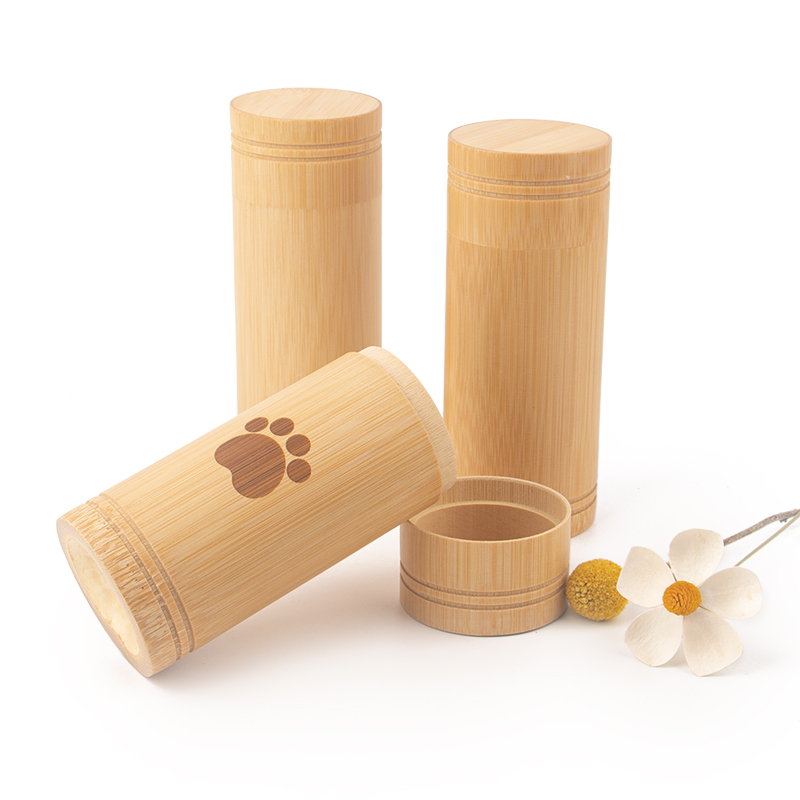 The expense of a wicker coffin is not arbitrary. It is a reflection of the skilled hands that weave it, the quality of natural materials used, and its position as a preferred choice in the growing green burial movement#roconlycoffins #everecoffin#personalised#lovecoffin#memories#asheurns@everyone@followers