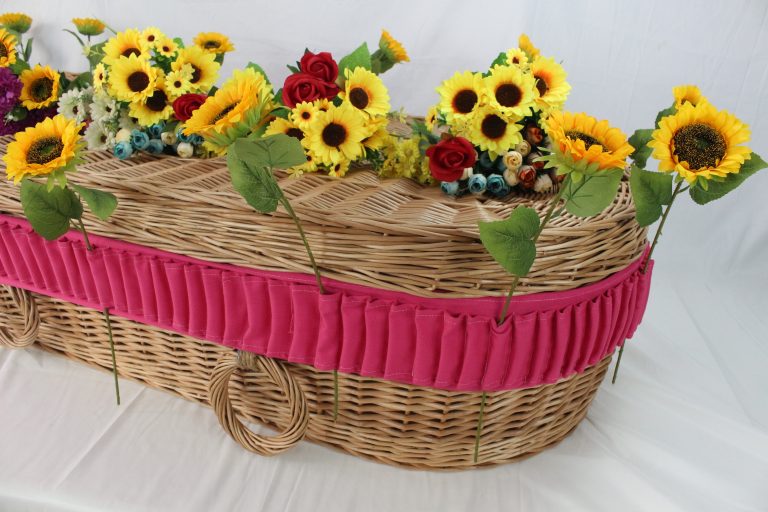
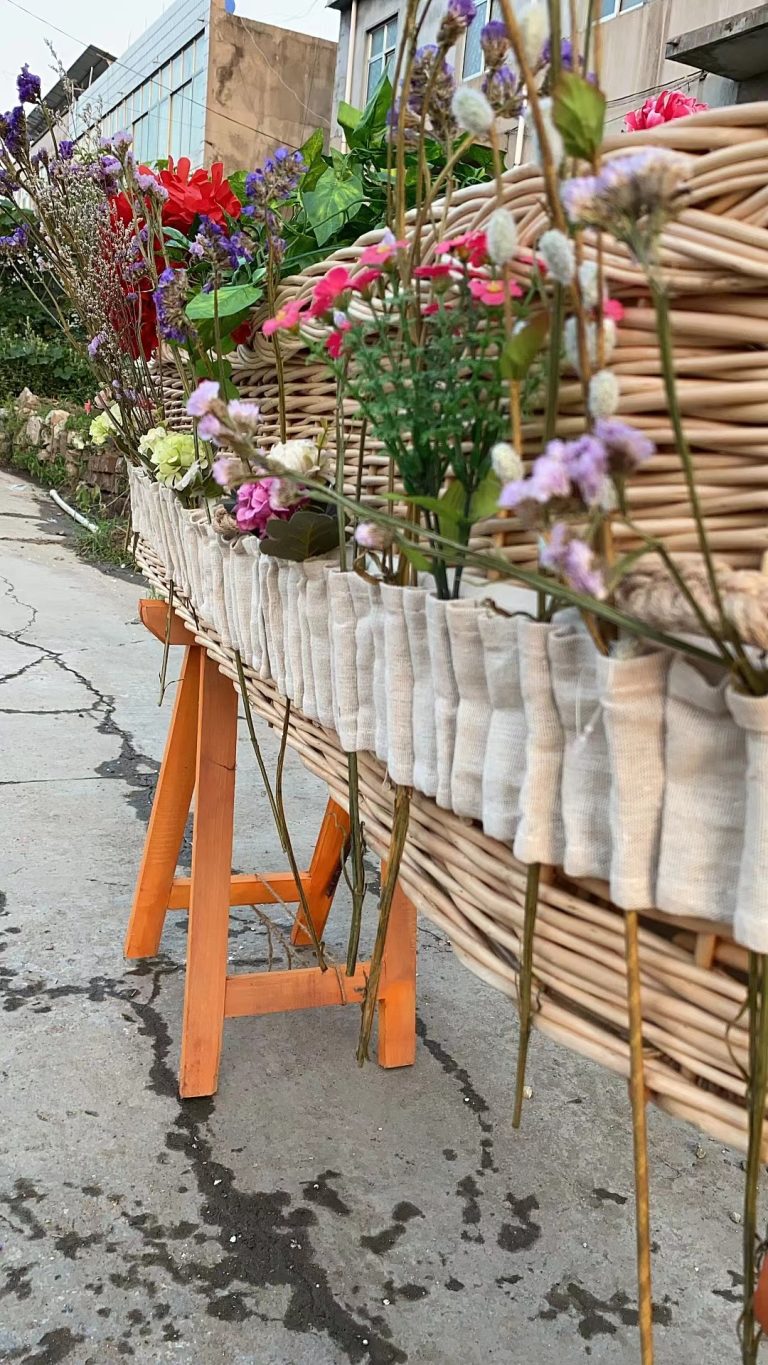
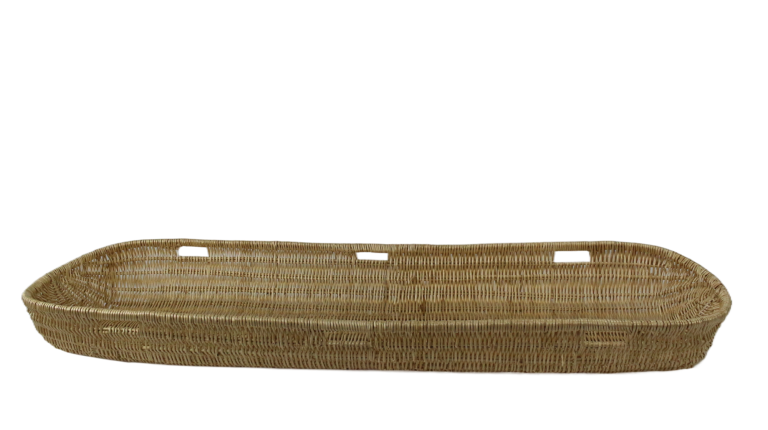
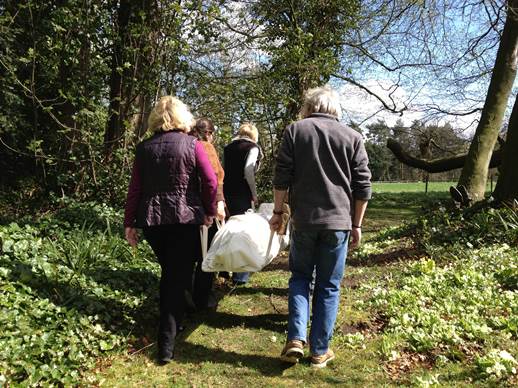
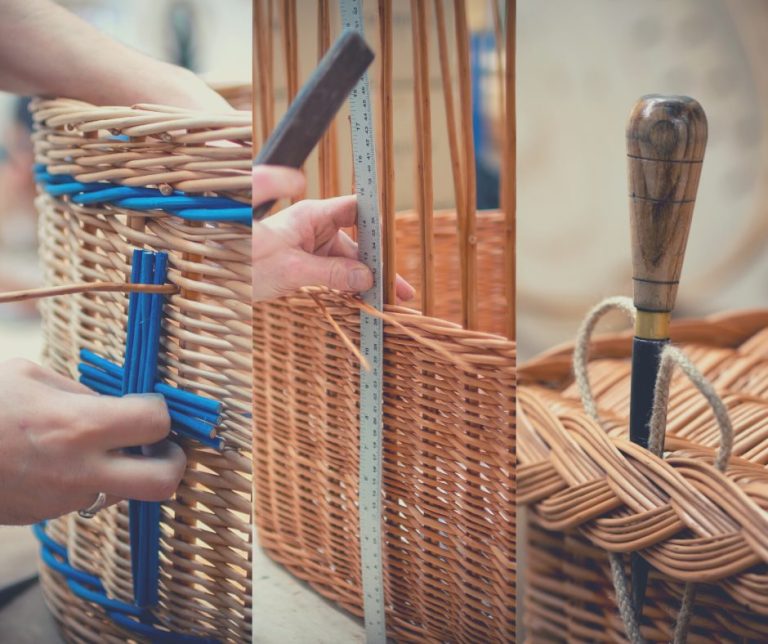
In the global shift toward eco-friendly funerals, biodegradable woven coffins stand out for their rapid decomposition—far outpacing traditional chemically treated wood or metal coffins that linger for decades. Among these, willow and bamboo woven coffins are the fastest to return to nature, with timelines that align with the world’s growing demand for low-carbon end-of-life practices.
Willow woven coffins lead in decomposition speed, breaking down fully in just 3 to 4 years globally. This speed stems from willow’s inherent properties: its soft, porous fibers are easily broken down by soil microbes and moisture. In Europe, where green burials are mainstream, willow coffins dominate sites in the UK and the Netherlands—here, mild, rainy climates accelerate microbial activity, often shortening decomposition to 3 years flat. Even in North America’s temperate regions, from Oregon’s wet forests to New England’s humid summers, willow coffins rarely take longer than 4 years to decompose, meeting the U.S. Green Burial Council’s standards for “rapid ecological return.” In Southeast Asia’s tropical zones, where year-round heat and rain fuel microbial growth, local willow variants decompose up to 20% faster, sometimes vanishing in under 3 years.
Bamboo woven coffins, while slightly denser than willow, still decompose remarkably quickly—4 to 6 years worldwide. Bamboo’s advantage lies in its sustainability: it grows 10x faster than trees and retains natural biodegradability despite its sturdier structure. China’s Linshu County, the global hub for bamboo woven coffins, supplies 58 countries, and real-world data shows consistent results: in Australia’s subtropical east, bamboo coffins break down in 4–5 years; in Kenya’s savanna soils, they take 5–6 years but avoid the toxic leaching of traditional options. Even in Europe’s cooler north, bamboo coffins meet the EU’s EN 16711 certification, decomposing within the mandated 10-year window with room to spare.
Both willow and bamboo coffins outperform other eco-friendly alternatives in accessibility and speed. Mycelium coffins may decompose faster (45 days) but remain niche and costly; willow and bamboo, by contrast, are scalable and affordable, making rapid, sustainable decomposition a global reality. As countries from Brazil to Japan adopt green burials, these two materials prove that honoring the dead and healing the planet can happen quickly—one decomposed coffin at a time.
We are a factory supporting eco friendly green funeral(natural willow coffins\bamboo caskets and so on) .. for detail please contact us www.roconly.com;
Roconly (LinYi) Funeral Supplies Co.,Ltd.
Whatsapp: +86-18265103836 (Whatsapp & Wechat & Tel)
Email: jason@roconly.com #willowcoffin#greencoffins#bamboocaskets#urns#naturalcoffins#chinafactory#scattertube#naturalburial#FuneralSupplies#cross#flowerbands#shrouds #carrierfuneral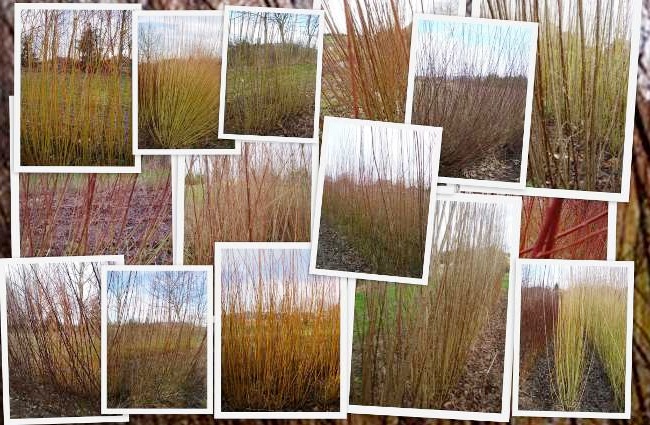 While luxury eco-options exist, the most common biodegradable models offer cost savings alongside environmental benefits, a combination driving their global growth#roconlycoffins #everecoffin #handwoven#naturalcoffin#eco-friendlycoffin @everyone@followers