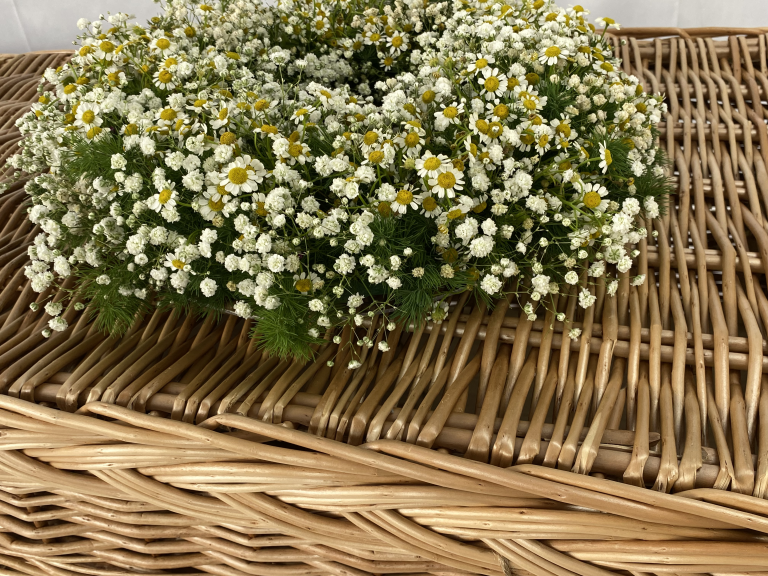
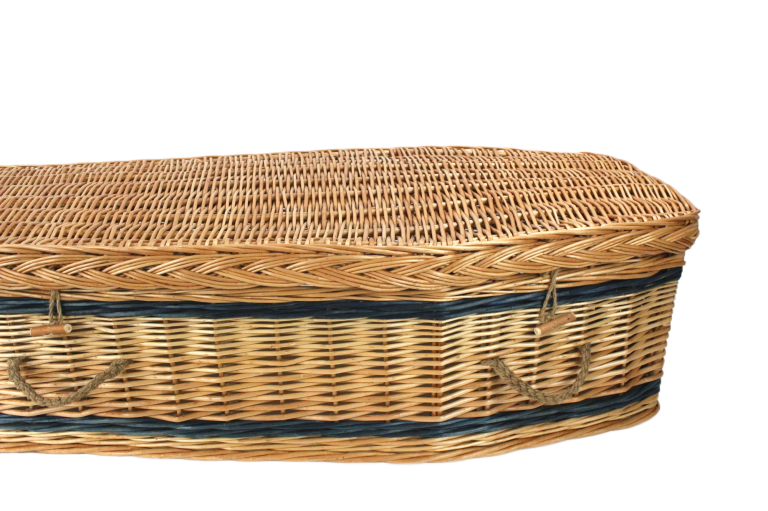
In an era where climate change demands sustainable choices in every aspect of life, even death is undergoing a green revolution. Traditional funerals, with their resource-intensive caskets made of metal, hardwood, or concrete, contribute significantly to environmental degradation. Globally, the funeral industry generates millions of tons of waste annually, including non-biodegradable materials that leach chemicals into soil and water systems.
serenityridgemd.com
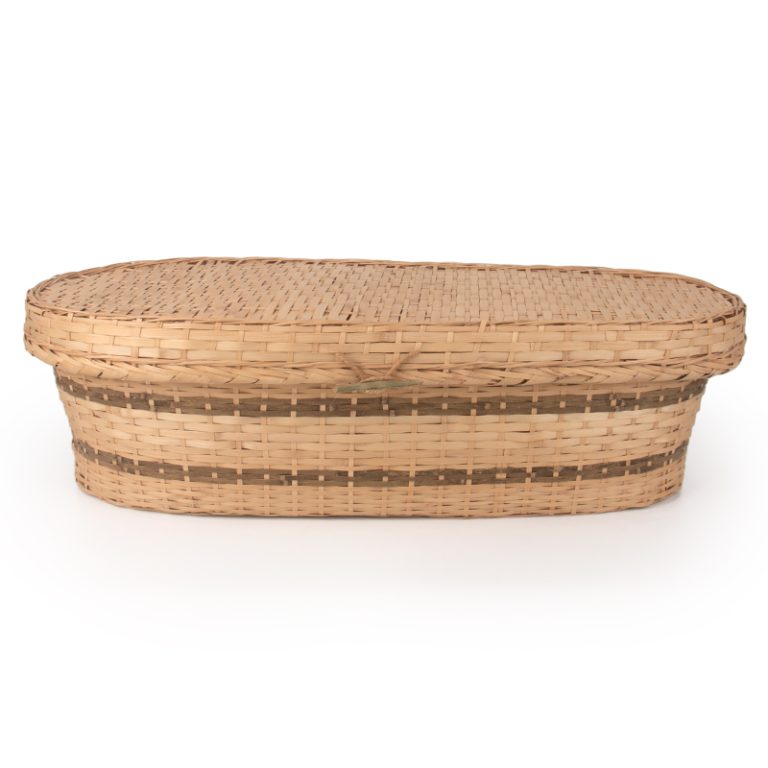
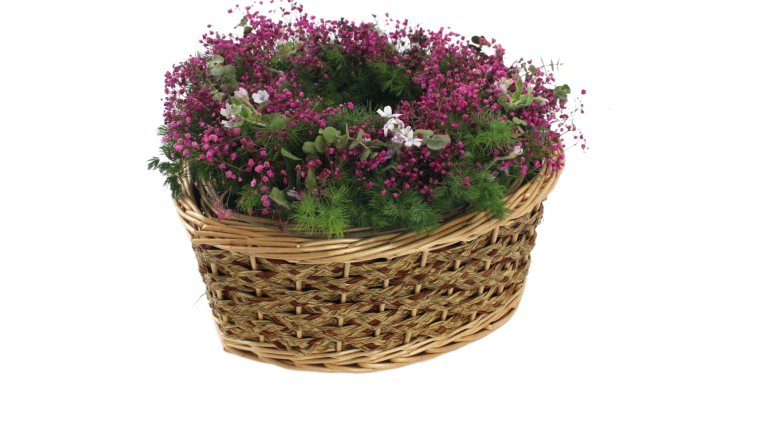
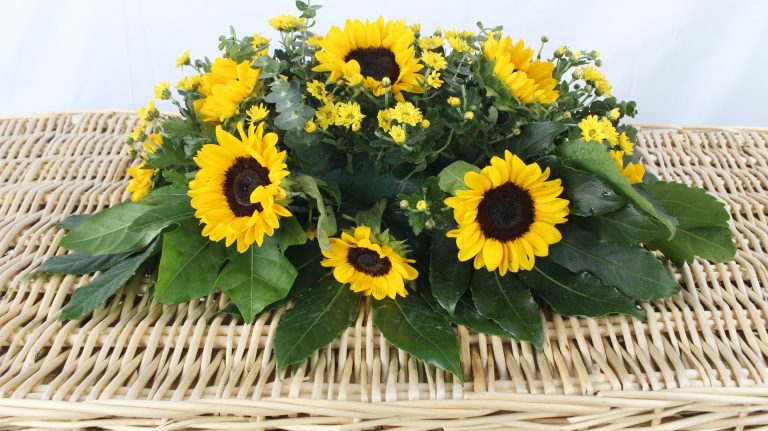
Enter wicker caskets: lightweight, handwoven enclosures crafted from natural fibers like willow, bamboo, and seagrass. These eco-friendly alternatives are biodegradable, decomposing naturally within years rather than centuries, and they align with the growing movement toward “green burials” that minimize ecological footprints.
beyondthecoffin.com
From Europe to North America, wicker caskets symbolize a shift toward mindful farewells that honor both the deceased and the planet.The environmental advantages of wicker caskets are profound. Unlike conventional options, which often involve deforestation for tropical hardwoods or energy-intensive mining for metals, wicker relies on fast-growing, renewable plants. Willow, for instance, matures in just one to three years, requiring minimal water and pesticides compared to timber crops.
discount-caskets.com
Production emits far fewer greenhouse gases; weaving by hand or simple machinery avoids the heavy carbon costs of industrial processing. Once buried, wicker caskets break down without releasing toxins, enriching the soil with organic matter and supporting natural decomposition—ideal for conservation burial grounds where ecosystems are preserved.
cremation.green
In contrast, embalming fluids containing formaldehyde—a known carcinogen—seep into groundwater during traditional burials, while cremations release CO2 and mercury from dental fillings.
dailyclimate.org
Studies show that switching to biodegradable caskets like wicker could reduce the funeral sector’s annual carbon emissions by up to 80% in regions adopting them widely.
lonestarcasket.com
This global trend owes much to a surprising epicenter: Linshu County in Linyi City, Shandong Province, China. Nestled in a region famed for its lush willow groves, Linshu has evolved from ancient wickerwork traditions—dating back over 1,400 years—into the world’s leading hub for wicker casket production.
asianetnews.net
Spanning 100,000 mu (about 6,667 hectares) of cultivated willow, the area’s farms sustain 50,000 households across nine towns, blending agriculture with artisanal craftsmanship.
asianetnews.net
Factories here, such as those in the “Willow County” of Linshu, produce tens of thousands of units yearly, exporting to markets in the UK, US, and Australia.
sourcingwise.com
What sets Linshu apart is its sustainable model: willows are harvested renewably, with roots left intact to regrow, minimizing soil erosion and biodiversity loss. Local artisans use eco-dyes and low-impact weaving techniques, ensuring products remain chemical-free.
phoenixnestcoffins.com
This source-to-shelf approach not only cuts transportation emissions—thanks to efficient global shipping from Linyi’s ports—but also empowers rural economies, providing stable income without exploiting labor, a common critique in global supply chains.
shandong.chinadaily.com.cn
As demand surges, Linshu’s factories innovate with hybrid designs incorporating seagrass for added durability, further reducing reliance on non-renewable materials.
facebook.com
From the serene English countryside, where willow coffins evoke pastoral tranquility,
cradletogravewillowcoffins.co.uk
to American natural burial sites reclaiming urban fringes, wicker caskets foster a circular economy for end-of-life practices. Yet, Linshu’s role underscores a broader narrative: developing nations like China are not just manufacturing powerhouses but stewards of sustainable innovation. By 2030, projections suggest green caskets could capture 20% of the global market, driven by policies in the EU and US promoting low-impact funerals.
trimblefuneralhomes.com
Challenges remain, such as scaling ethical sourcing amid rising demand, but Linshu’s model offers a blueprint.Ultimately, wicker caskets remind us that sustainability extends beyond life. They transform burial from a burden on the earth into a gentle return to it, with Linshu’s willows weaving threads of hope across continents. In choosing them, we not only lessen our environmental legacy but celebrate a harmonious cycle—growth, craft, and gentle repose.
We are a factory supporting eco friendly green funeral(natural willow coffins\bamboo caskets and so on) .. for detail please contact us www.roconly.com;
Roconly (LinYi) Funeral Supplies Co.,Ltd.
Whatsapp: +86-18265103836 (Whatsapp & Wechat & Tel)
Email: jason@roconly.com #willowcoffin#greencoffins#bamboocaskets#urns#naturalcoffins#chinafactory#scattertube#naturalburial#FuneralSupplies#cross#flowerbands#shrouds #carrierfuneral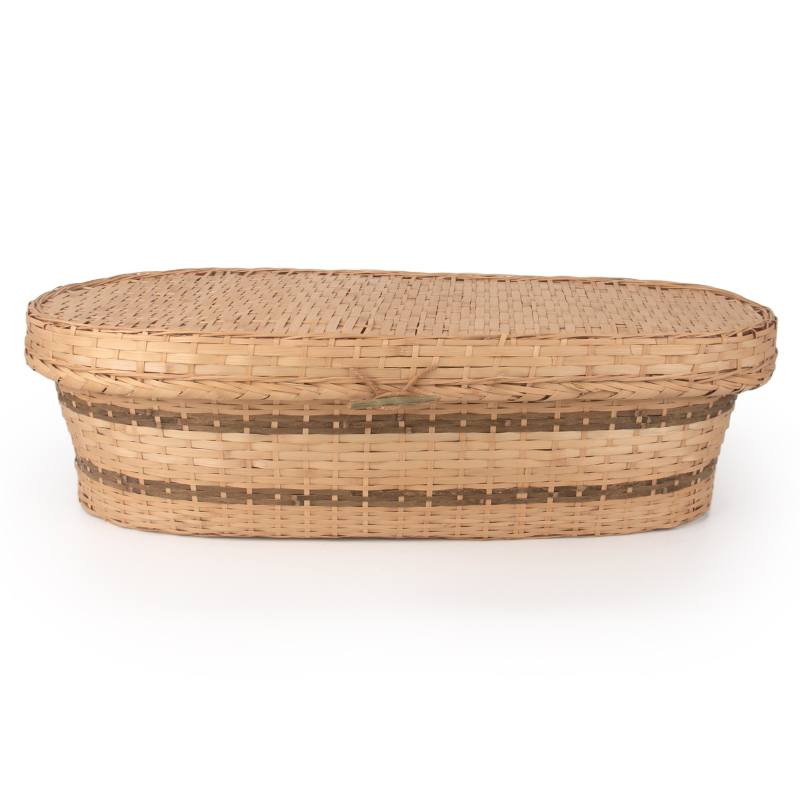 Baby green funerals remind us that grief is universal, but so is our connection to the earth#roconlycoffins #everecoffin#casket#coffinstyle#greenfuneral #naturalfunerals#willowcoffin@everyone@followers