Traditional burial practices present significant environmental challenges. Conventional coffins often contain non-biodegradable materials, toxic finishes, and metal components that can leach into the soil. The manufacturing processes typically consume substantial energy and resources. Similarly, cremation, while saving land, consumes energy and releases carbon dioxide—over 227 kilograms per body. Each traditional funeral represents a missed opportunity for environmental stewardship and a final ecological footprint that persists long after we are gone.
Woven Biodegradable Coffins: A Sustainable Alternative
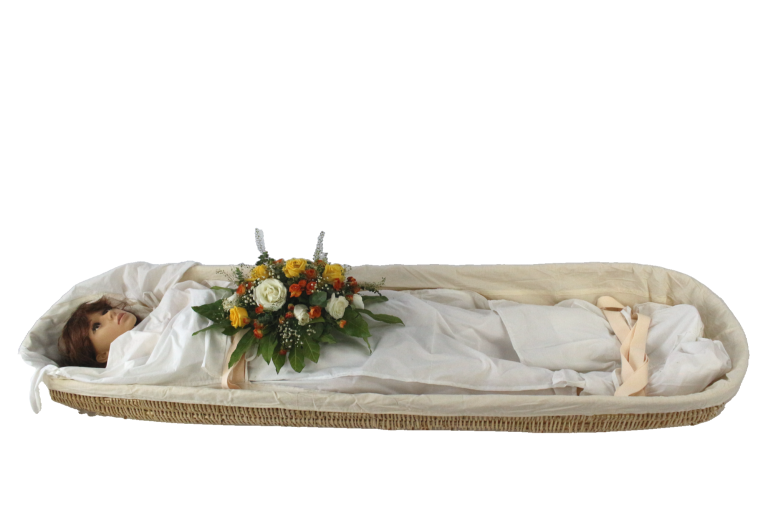
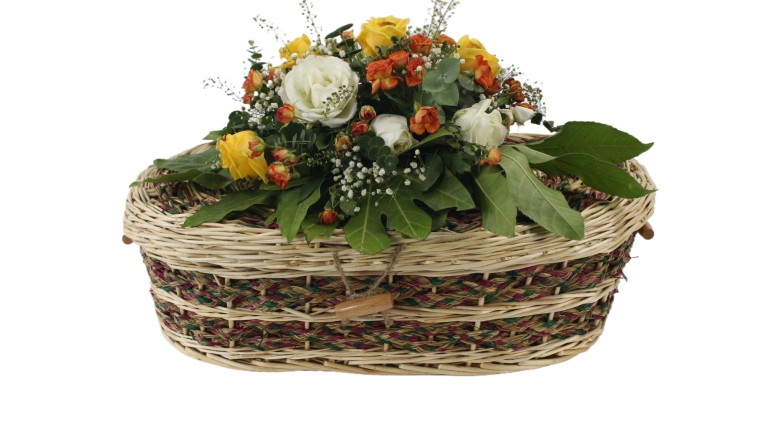
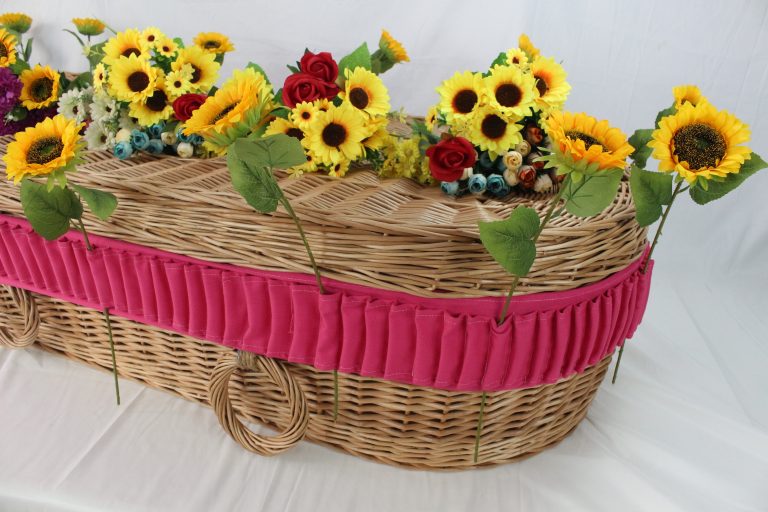
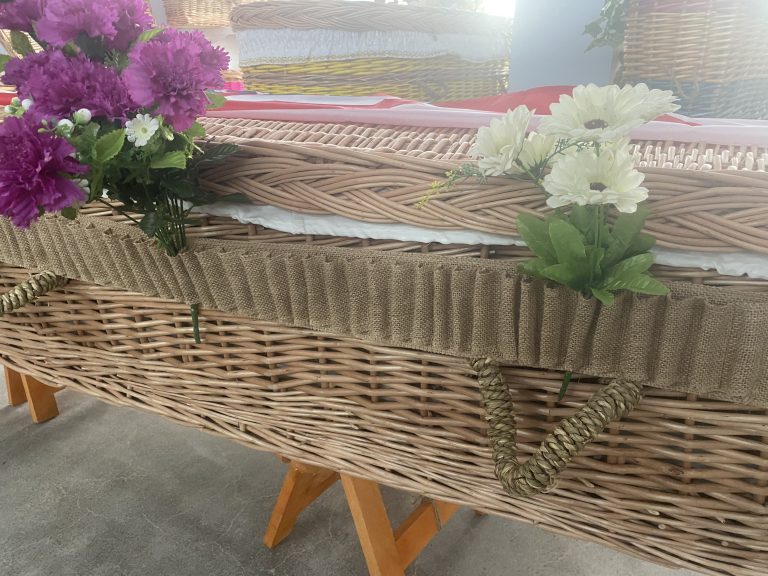
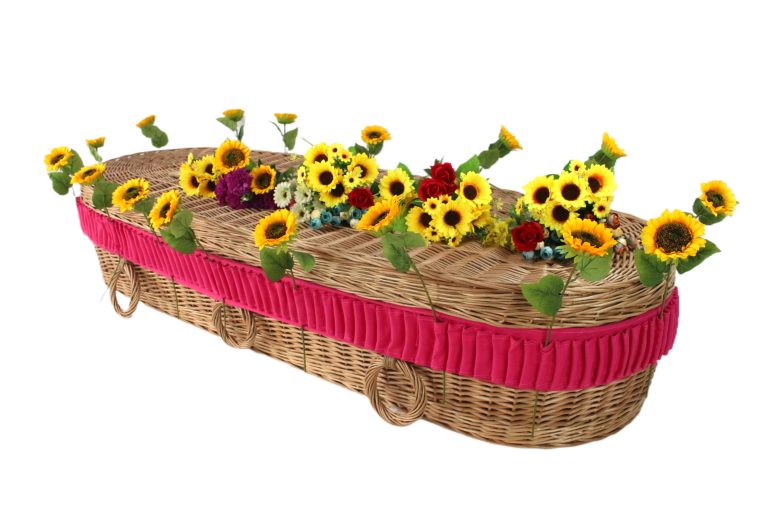
Woven biodegradable coffins, typically crafted from natural materials including bamboo, willow, rattan, and seagrass, present a sustainable alternative. These materials share several advantageous characteristics:
Rapid renewability: Bamboo, for instance, is one of the fastest-growing plants on Earth
Biodegradability: These natural materials break down completely, returning to the earth without leaving harmful residues
Low environmental impact in production: Processing requires minimal energy compared to traditional wood or metal coffins
Carbon sequestration: As they grow, these plants absorb atmospheric carbon, which is then temporarily stored in the finished product
A notable advantage of woven coffins is their significantly reduced decomposition timeline. While traditional coffins may take decades to break down, and some components might never fully decompose, woven coffins typically biodegrade within several years, facilitating the natural cycle of returning nutrients to the soil.
Table of Contents
Alignment with UN Sustainable Development Goals
The adoption of woven funeral products directly supports several UN Sustainable Development Goals:
Responsible Consumption and Production (Goal 12): These products exemplify circular economy principles, using renewable materials in designs that completely biodegrade. This contrasts sharply with conventional funeral products that consume limited resources for single-use applications with perpetual environmental impact.
Climate Action (Goal 13): By utilizing locally sourced natural materials that require minimal processing, woven coffins significantly reduce the carbon footprint associated with traditional funeral products. Their production generates substantially lower greenhouse gas emissions compared to metal or heavily processed wood coffins.
Life on Land (Goal 15): Natural burial practices incorporating woven coffins help preserve natural habitats by reducing land disturbance and avoiding the introduction of non-biodegradable materials into the soil. Some European countries have even developed natural burial grounds that double as protected natural areas.
The LinYi LinShu Example: Local Implementation with Global Implications
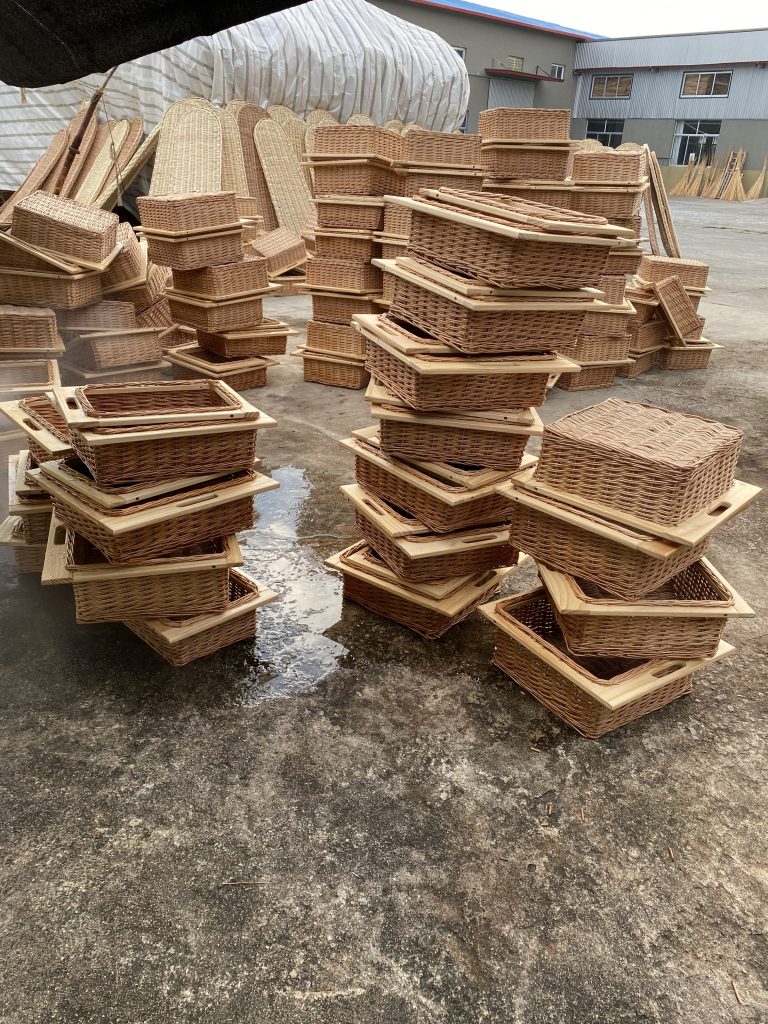
In Shandong Province, China, the LinYi LinShu region has emerged as a significant production hub for woven funeral products, with numerous specialized workshops and factories. These facilities leverage traditional craftsmanship in weaving natural materials, creating biodegradable coffins that meet growing international demand for sustainable funeral options.
The manufacturers in this region typically utilize locally sourced materials including willow, reed, and bamboo, supporting regional agriculture and reducing transportation emissions. This industry provides crucial rural employment opportunities, helping to maintain traditional crafts that might otherwise disappear in an increasingly industrialized world.
Companies like Roconly(LiinYi) Crafts Co., Ltd. and Shandong Phoenixnest Crafts Co., Ltd. represent this growing sector. Their existence demonstrates how sustainable deathcare products can create viable economic opportunities while maintaining environmental integrity.
Beyond the Product: Comprehensive Sustainable Funeral Practices
Truly sustainable funeral practices extend beyond the coffin itself. The green burial movement embraces several complementary approaches:
Alternative body preservation: Avoiding formaldehyde-based embalming in favor of non-toxic alternatives
Natural burial sites: Establishing cemeteries where bodies are buried without concrete vaults or non-biodegradable materials, allowing complete decomposition and natural landscape integration
Carbon-reduction ceremonies: Simple services utilizing local flowers, digital communications, and minimal resource consumption
Innovations like “reef balls” that incorporate cremated remains into artificial marine habitats and human composting methods that transform bodies into soil further demonstrate the creative approaches emerging in this sector.
The Path Forward: Recommendations for Stakeholders
For policymakers, environmental leaders, and researchers seeking to advance this field, several approaches show promise:
Develop standards and certifications: Organizations like the Green Burial Council in the United States have established certification programs for biodegradable funeral products and natural burial grounds. Similar frameworks could be adapted for other regions.
Review regulatory frameworks: Many jurisdictions have regulations that inadvertently discourage green burial options. Updating these policies can remove barriers to sustainable choices.
Support research and development: Investment in improving sustainable funeral technologies and materials can enhance both environmental performance and aesthetic appeal.
Promote public awareness: Many people remain unaware of green burial options. Educational initiatives can help individuals make informed end-of-life decisions aligned with their environmental values.
Conclusion
Woven funeral products represent more than simply another “green” commodity—they symbolize a profound reconciliation between human practices and natural cycles. By choosing these sustainable alternatives, we honor our departed while respecting the living Earth, transforming our final act into one of restoration rather than depletion. As this movement grows, regions like LinYi Linshu demonstrate how local industries can align with global sustainability goals, creating economic opportunity while offering the world a meaningful response to one of humanity’s most universal experiences.
In embracing these alternatives, we take a step toward recognizing that even in death, we can contribute to life—returning to the earth gently, leaving behind a legacy of responsibility rather than depletion for the generations who follow.
We are a factory supporting eco friendly green funeral(natural willow coffins\bamboo caskets and so on) .. for detail please contact us www.roconly.com;
Roconly (LinYi) Funeral Supplies Co.,Ltd.
Whatsapp: +86-18265103836 (Whatsapp & Wechat & Tel)
Email: jason@roconly.com
#willowcoffin#greencoffins#bamboocaskets#urns#naturalcoffins#chinafactory#scattertube#naturalburial#FuneralSupplies#cross#flowerbands#shrouds #carrierfuneral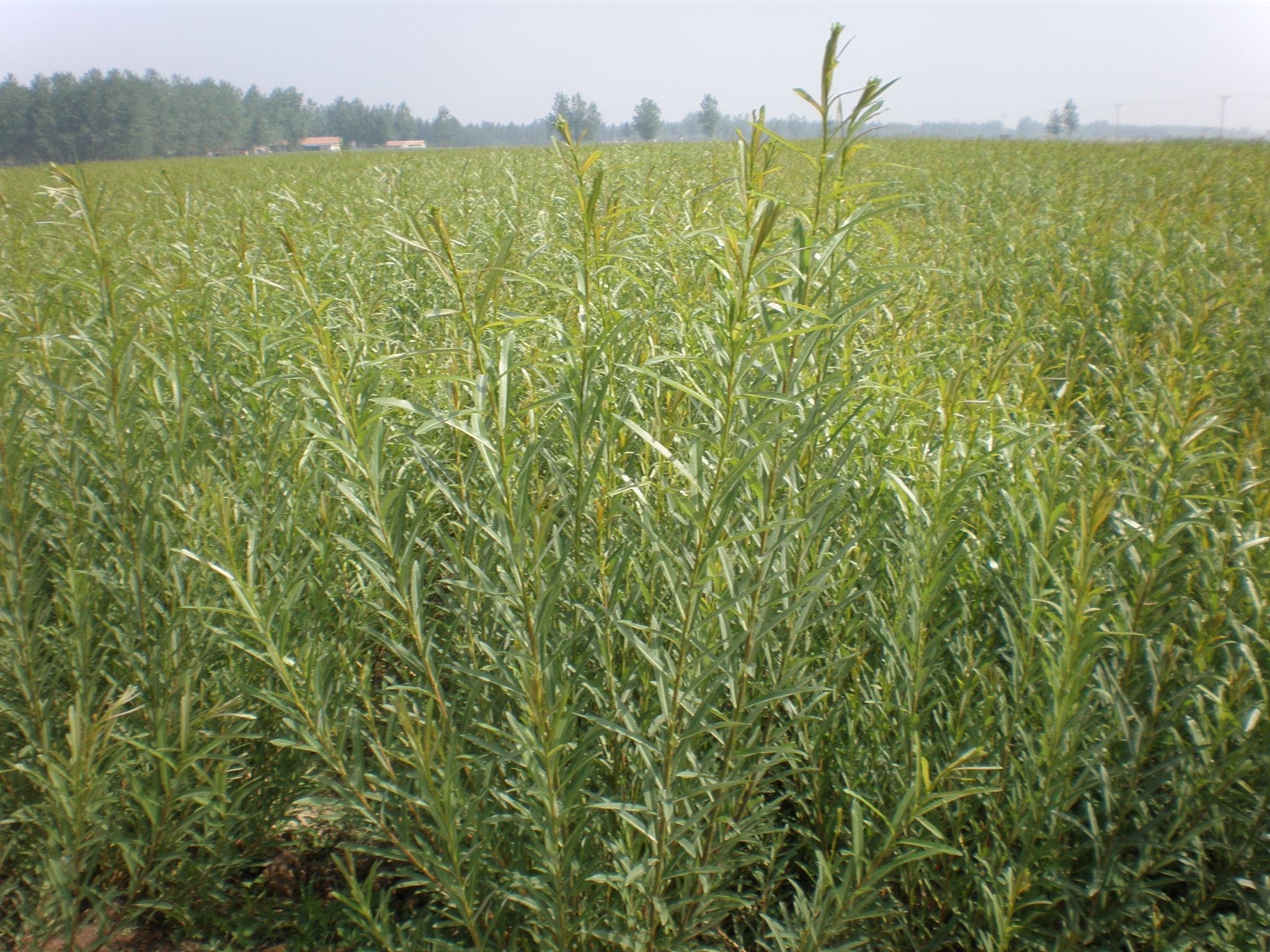 A delicate oval shaped coffin made from willow and dried sweet corn leaves.Fitted with a padded cotton lining with hand ties and oval shaped quilt and pillow#roconlycoffins #everecoffin#willow coffin for sale #willows church #willows death @everyone@followers