Key Takeaways:
· Biodegradable woven coffins, particularly those made from willow and bamboo, are designed to break down naturally, typically within 1 to 3 years under suitable conditions.
· Their decomposition is significantly faster than traditional wooden coffins, which can take over a decade to begin breaking down.
· The growing global green funeral market reflects an increasing preference for sustainable burial options that minimize environmental impact.
The global shift towards eco-friendly practices has reached the funeral industry, with biodegradable woven coffins emerging as a popular sustainable alternative. Central to their appeal is the promise of returning to the earth gently and efficiently. Understanding the decomposition timeline of these coffins—particularly those crafted from willow and bamboo—reveals why they are becoming a preferred choice for environmentally conscious individuals worldwide.
The Decomposition Timeline: Willow and Bamboo Coffins
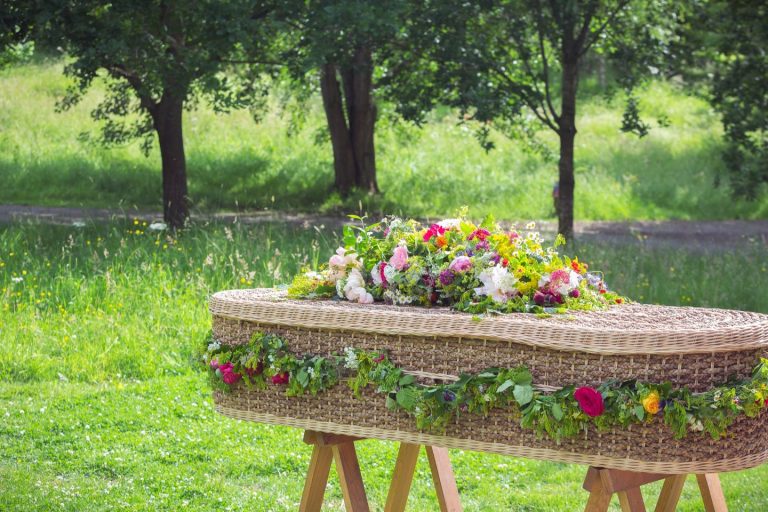
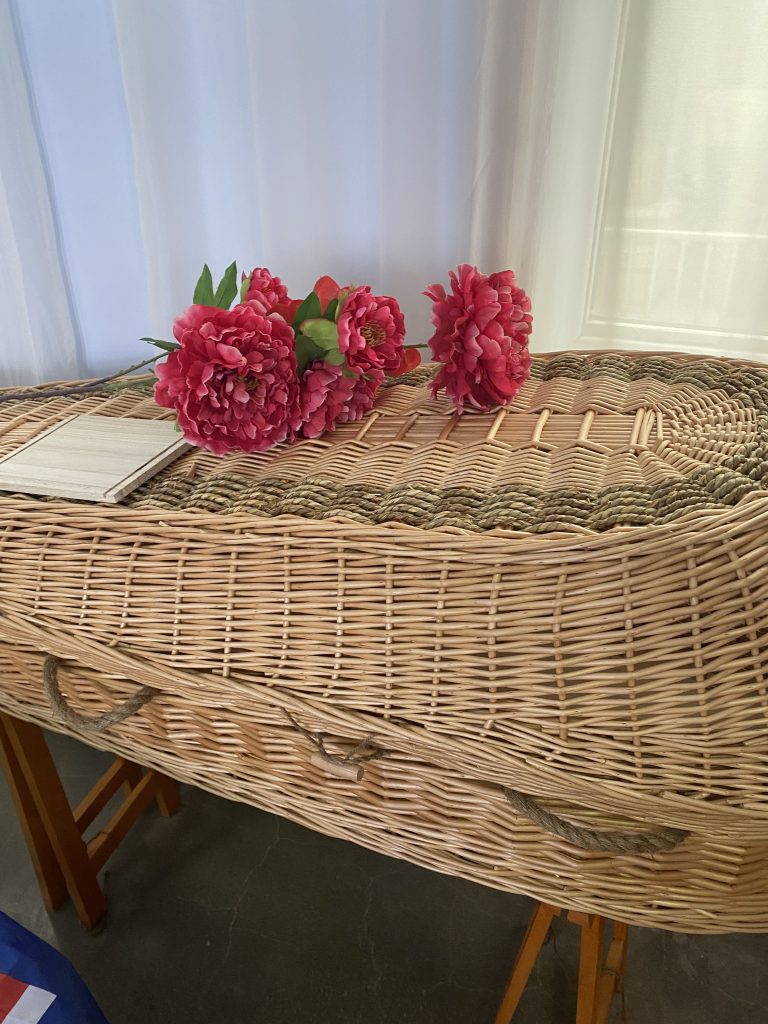
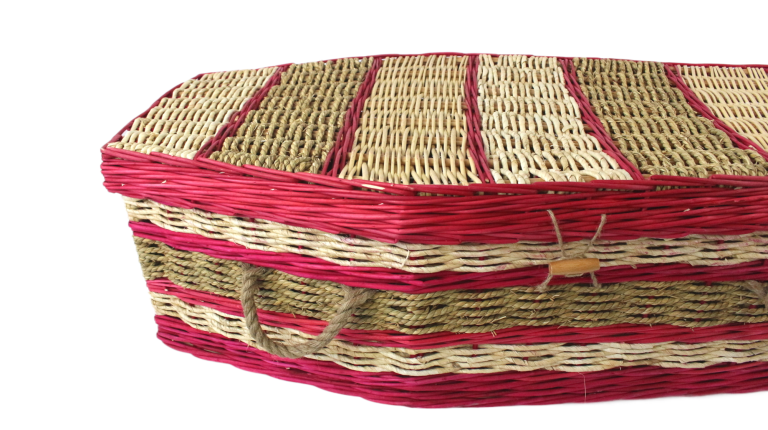
Biodegradable woven coffins, especially those made from natural materials like willow and bamboo, are engineered to decompose rapidly when buried in soil. Under ideal conditions—such as moist, microbially active soil—a willow or bamboo coffin can break down completely within 1 to 3 years. This timeline is influenced by factors like local climate, soil composition, and humidity levels. For instance, coffins buried in warmer, wetter environments tend to decompose faster due to accelerated microbial activity.
The decomposition process begins as microorganisms in the soil break down the natural fibers of the coffin. This not only allows the coffin to integrate with the earth but also enriches the surrounding soil with organic matter. The simplicity of materials—willow strands or bamboo woven without synthetic additives—ensures a clean, efficient return to nature.
A Comparative View: How Woven Coffins Outpace Traditional Options
The decomposition rate of willow and bamboo coffins stands in stark contrast to conventional burial materials. Traditional wooden coffins, for example, can take up to 20 years to start decomposing. Similarly, metal caskets or those treated with chemical preservatives may persist for decades, delaying the natural cycle and potentially leaching harmful substances into the soil.
Innovative alternatives, such as mycelium-based coffins, demonstrate even faster breakdown—fully decomposing in as little as 45 days. While mycelium coffins represent cutting-edge technology, woven willow and bamboo options strike a balance between traditional craftsmanship, proven sustainability, and a decomposition timeline that aligns with many cultural expectations for a “return to earth.”
Factors Influencing the Decomposition Rate
Several environmental and design factors can affect how quickly a woven coffin breaks down:
· Soil Conditions: Moist, nutrient-rich soils with robust microbial ecosystems accelerate decomposition. Dry or compacted soils can slow the process.
· Climate: Warmer temperatures and higher humidity levels promote faster breakdown compared to cold or arid regions.
· Material Preparation: Coffins made from untreated, organically sourced willow or bamboo decompose more efficiently than those with varnishes or synthetic binders.
· Burial Depth: Shallow burials may expose coffins to more aerobic conditions and microbial diversity, potentially speeding up decomposition.
The Global Context: Why Decomposition Speed Matters
The demand for sustainable funeral products is rising globally, driven by increased environmental awareness. The global market for biodegradable funeral products continues to grow, reflecting a shift toward burials that reduce carbon footprints and avoid long-term soil contamination.
Choosing a willow or bamboo coffin supports this ethos by ensuring that the burial process avoids toxic chemicals and non-renewable resources. In contrast, traditional burials often use embalming fluids containing formaldehyde—millions of liters of which are used annually in the U.S. alone—contributing to soil and groundwater pollution.
Conclusion: A Timely Return to Nature
Biodegradable woven coffins made from willow or bamboo offer a meaningful way to align end-of-life choices with ecological values. Their decomposition timeline—typically 1 to 3 years—not only underscores a efficient natural cycle but also reflects a global movement toward sustainable funerals. By returning to the earth in years rather than decades, these coffins transform the end of life into an act of environmental renewal, offering a graceful and purposeful tribute to both the departed and the planet.
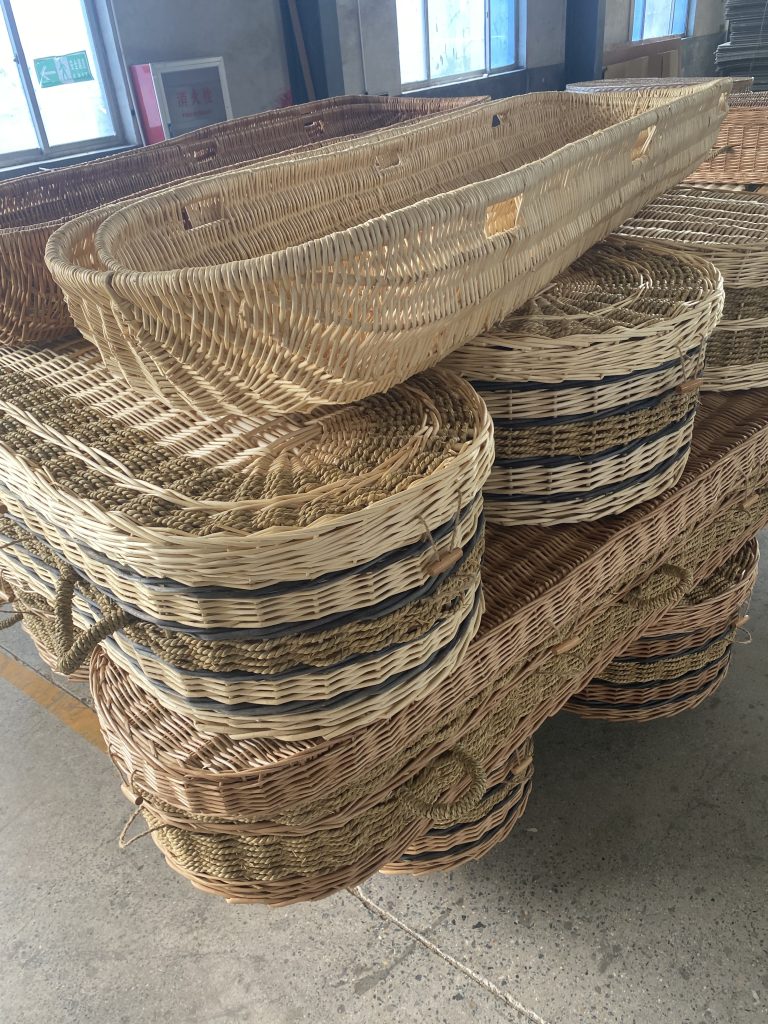
We are a factory supporting eco friendly green funeral(natural willow coffins\bamboo caskets and so on) .. for detail please contact us www.roconly.com;
Roconly (LinYi) Funeral Supplies Co.,Ltd.
Whatsapp: +86-18265103836 (Whatsapp & Wechat & Tel)
Email: jason@roconly.com
#willowcoffin#greencoffins#bamboocaskets#urns#naturalcoffins#chinafactory#scattertube#naturalburial#FuneralSupplies#cross#flowerbands#shrouds #carrierfuneral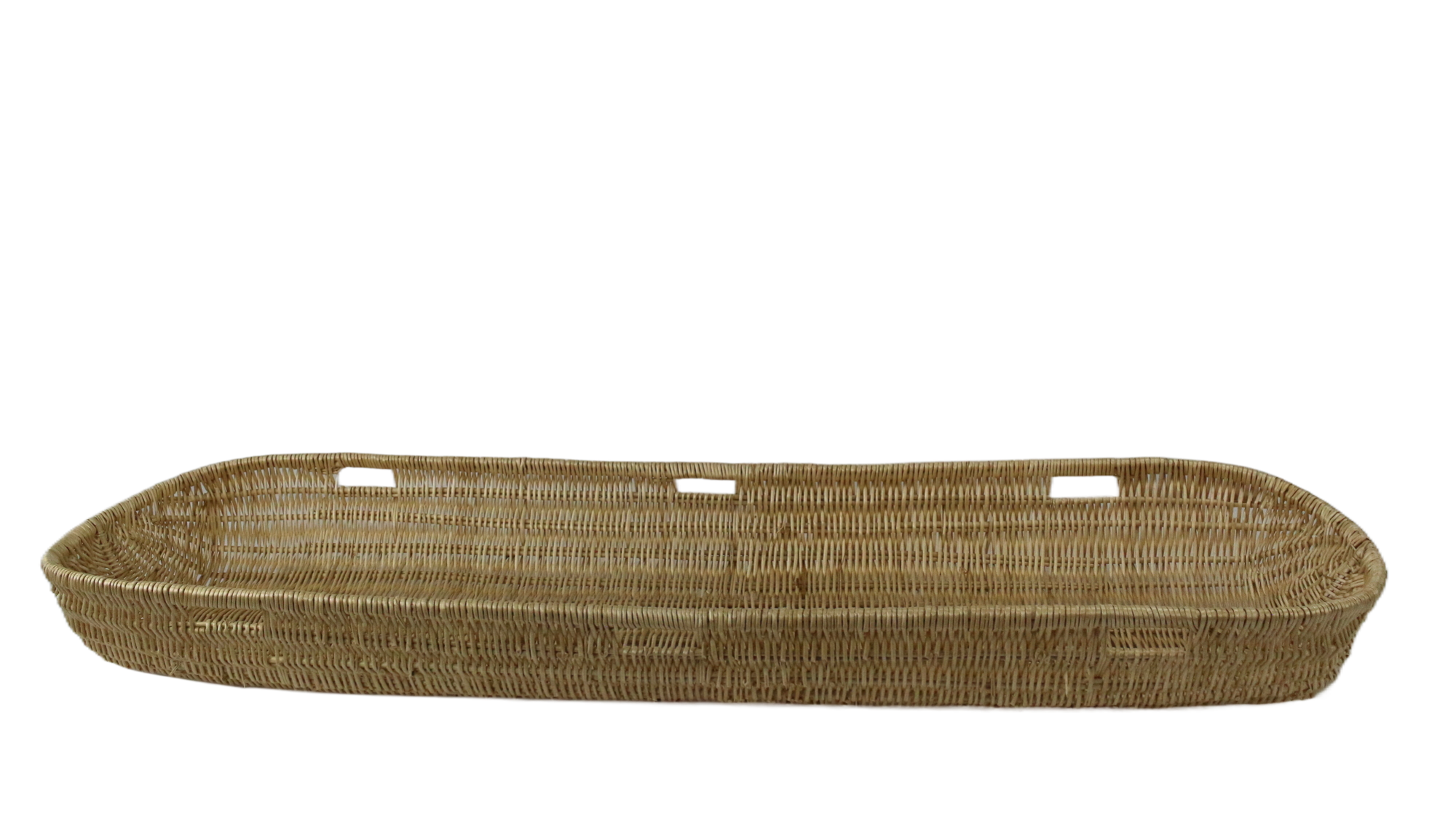 Woven coffin is defined by its natural composition and construction. It is crafted from flexible, sustainably harvested willow rods, which are woven by skilled artisans into a sturdy yet graceful final form#roconlycoffins #everecoffin#casketforashes #wicker coffin inside#avalon willow coffin @everyone@followers