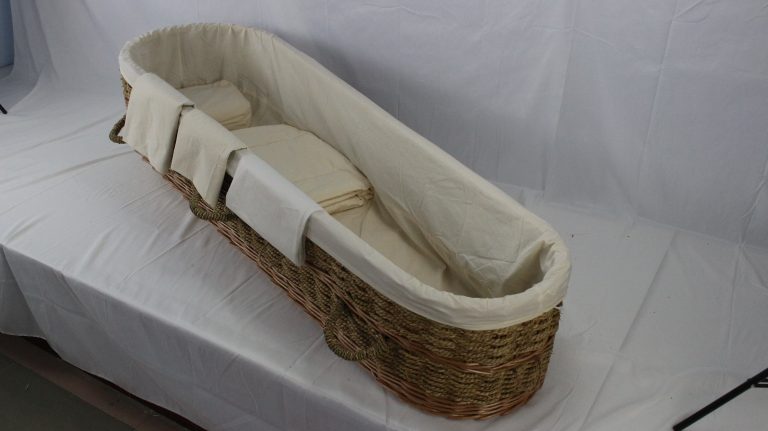
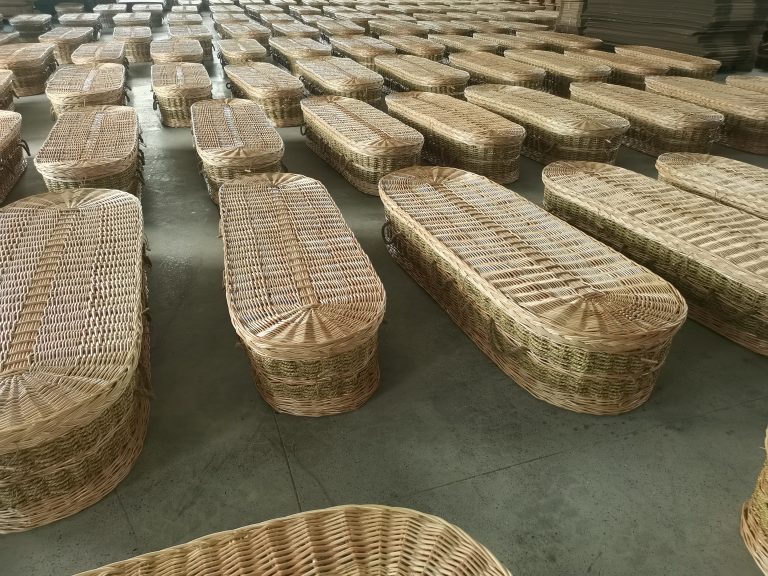
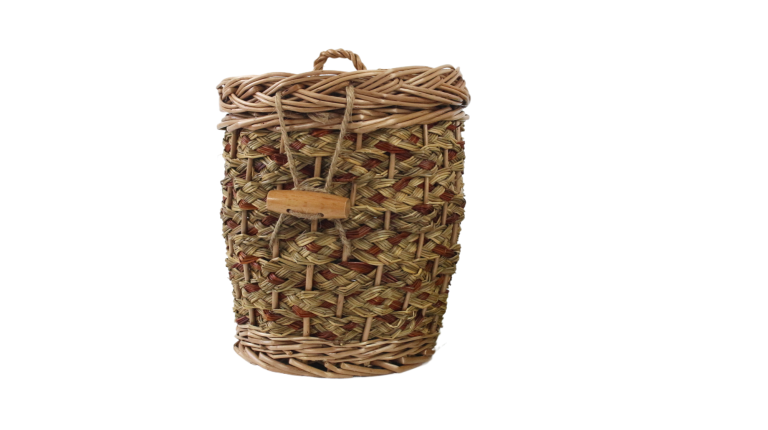
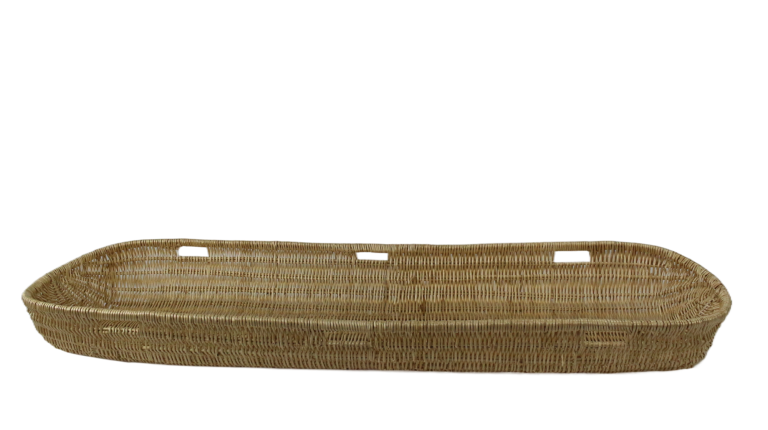
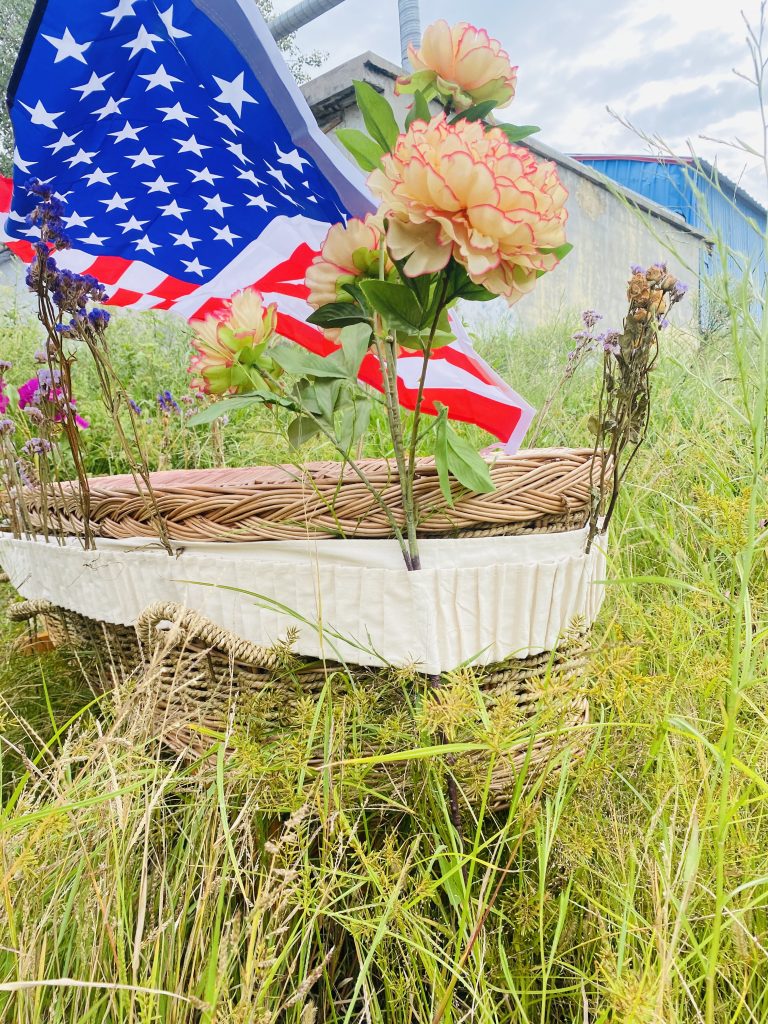
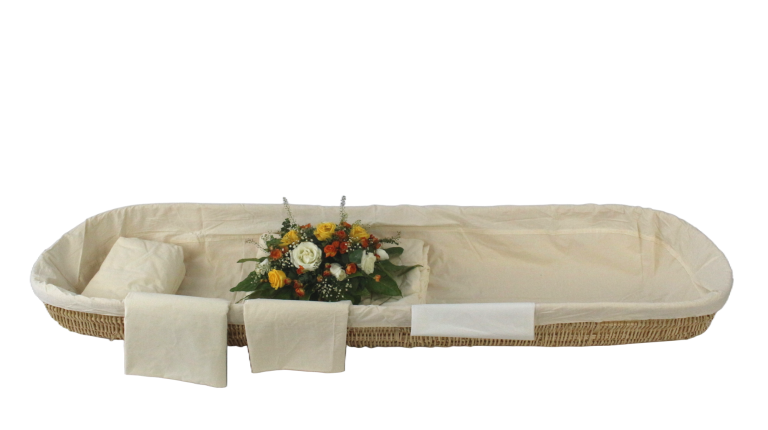
In the serene wetlands of Shandong Province, China, the journey of a willow casket begins along riverbanks where willow trees (genus Salix) thrive in moist soil. These fast-growing plants are harvested sustainably, their flexible rods cut and dried before being woven into caskets by skilled artisans in Linshu, a region renowned for its willow craftsmanship. Factories here, such as those partnering with firms like Roconly (Lantian) Grass-Willow Crafts, transform raw willow into elegant, biodegradable coffins, embodying a tradition that aligns with modern eco-conscious values
.
Harvesting and Weaving: Nature’s Flexibility Meets Human Ingenuity
Willow harvesting follows natural cycles to ensure regeneration. After drying, the rods are soaked to restore pliability, then woven using techniques like pingbian(flat weave) or lebian(tight binding) to create sturdy, lightweight caskets.
Linshu’s artisans often work in assembly-line steps, dividing labor into 30 stages—from material selection to final polishing—ensuring efficiency without sacrificing quality. This process honors centuries-old methods while meeting global demand for green burial solutions. Unlike traditional coffins made from hardwoods like pine or cypress, which require chemical treatments and metal components, willow caskets prioritize simplicity and biodegradability.
A Return to the Earth: Completing the Cycle
Once used for burial, the willow casket’s journey culminates in a gentle return to the soil. As it decomposes, the organic material enriches the earth with nutrients, supporting new plant growth and microbial life. This mirrors natural processes observed in ecosystems like the Peace–Athabasca Delta, where willow debris contributes to nutrient cycling.
Unlike synthetic materials, willow leaves no permanent trace, reintegrating into the ecosystem within years. Some manufacturers enhance this cycle by using plant-based dyes and avoiding synthetic additives, ensuring the casket remains non-toxic as it breaks down.
Symbolism and Sustainability
The willow casket’s life cycle reflects a philosophy of harmony with nature. From its origins in riverbank soils to its final decomposition, every stage minimizes environmental impact. Linshu’s factories emphasize this by sourcing willow from local plantations, reducing transportation emissions, and adhering to green production principles.
For consumers, choosing such a casket represents a commitment to ecological stewardship—a farewell that gives back to the planet.
In an era of climate urgency, the willow casket stands as a testament to circularity, weaving together tradition, innovation, and reverence for the Earth.
We are a factory supporting eco friendly green funeral(natural willow coffins\bamboo caskets and so on) .. for detail please contact us www.phoenixnestcoffins.com;
Phoenix Nest ( Shandong ) Crafts Co.,Ltd.
Whatsapp: +86-18265103836 (Whatsapp & Wechat & Tel)
Email: jason@phoenxinestcoffin.cn
#willowcoffin#greencoffins#bamboocaskets#urns#naturalcoffins#chinafactory#scattertube#naturalburial#FuneralSupplies#cross#flowerbands#shrouds #carrierfuneral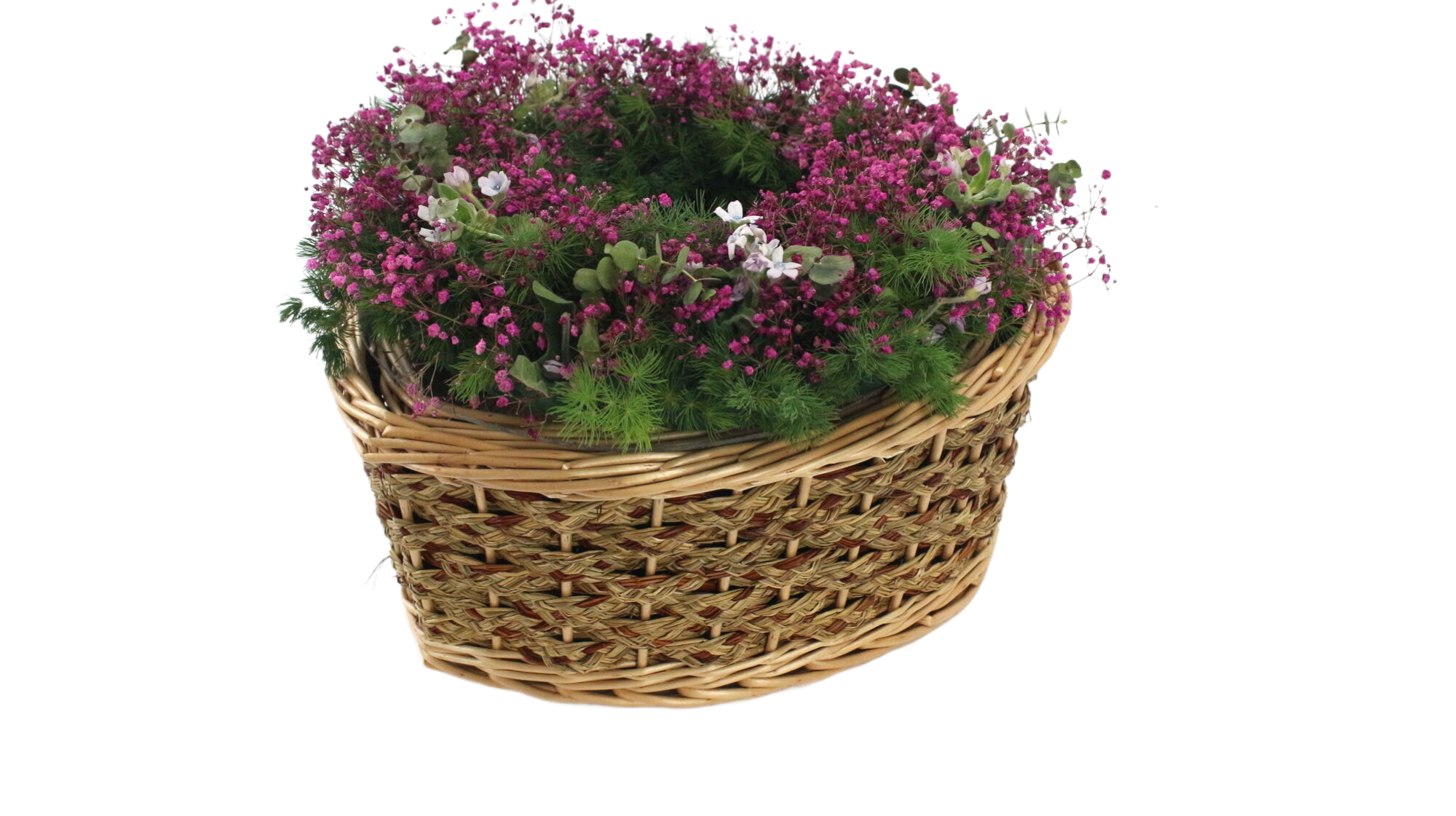 Fresh willow is steamed in electric boilers to soften bark, then stripped to reveal ivory-white cores that dry evenly under the sun #phoenixnestcoffins##willow coffins #willow #wicker caskets #greencoffins@everyone@followers