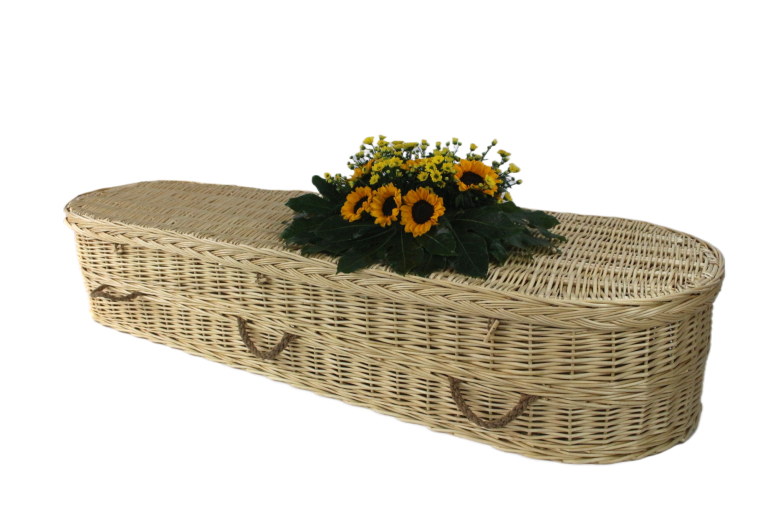
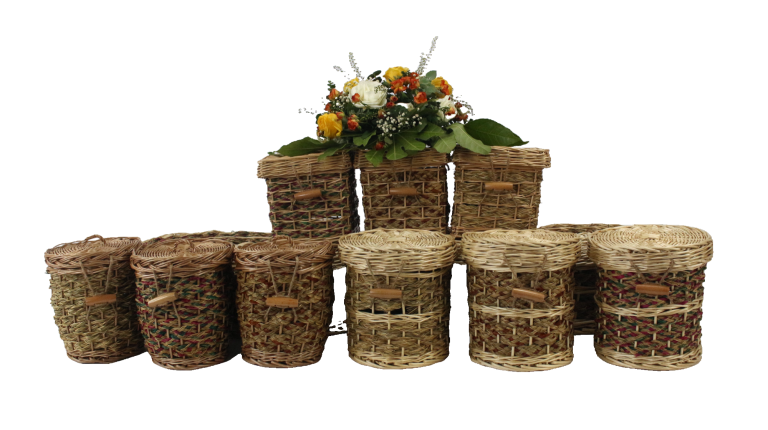
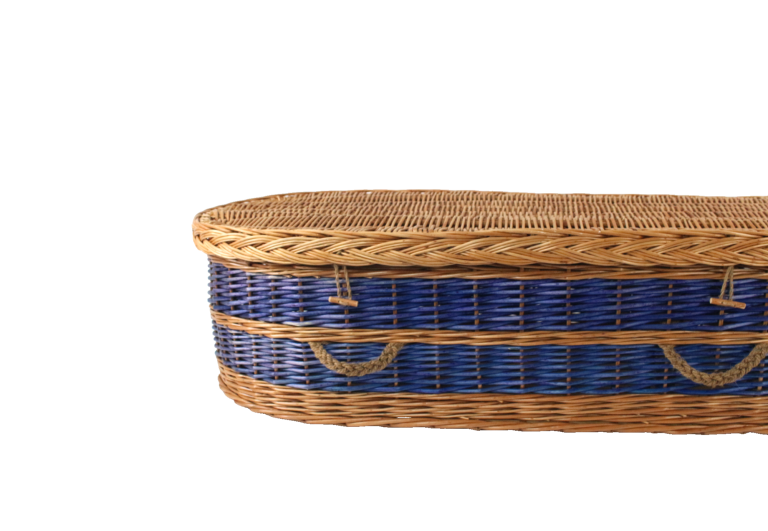
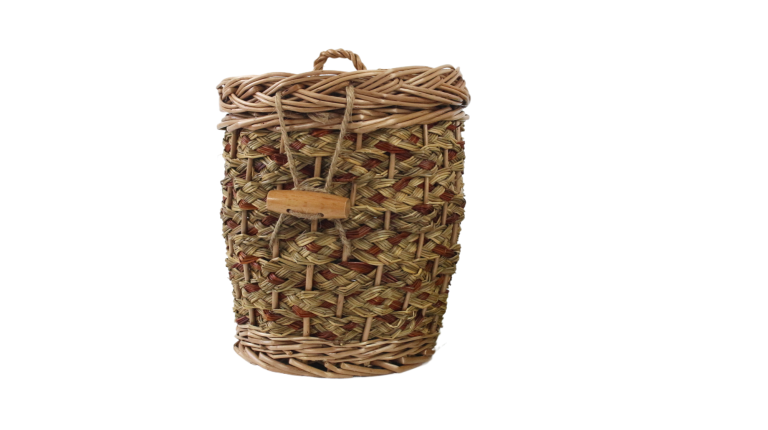
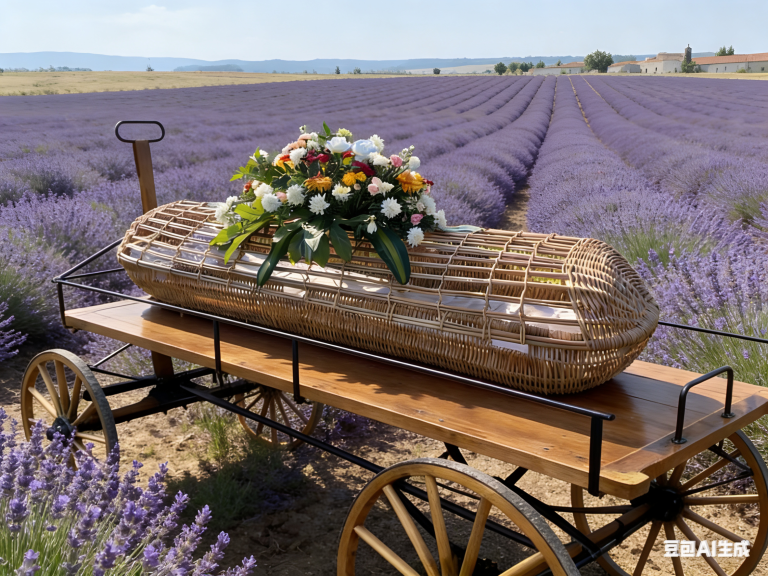
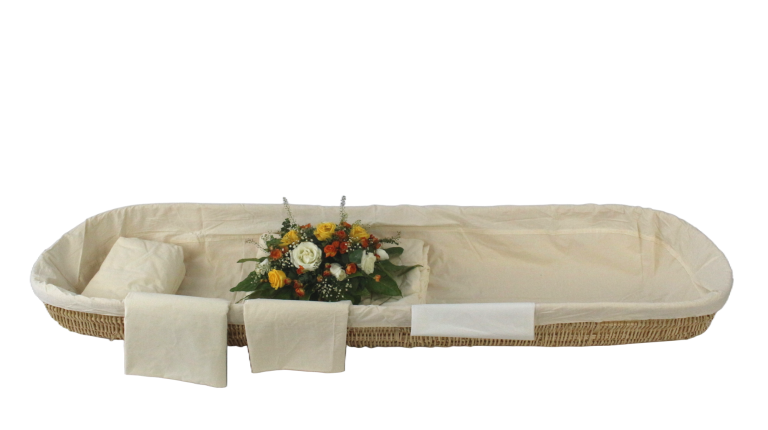
The global pursuit of sustainable development has pushed every industry to rethink its environmental footprint—including the funeral sector, long criticized for resource waste and carbon emissions. Biodegradable woven coffins, crafted from natural materials like willow and bamboo, have emerged as a powerful catalyst for change. Beyond their eco-friendly attributes, these products align closely with key United Nations Sustainable Development Goals (SDGs), delivering long-term value to the planet, communities, and the global sustainability agenda. At the heart of this movement lies Linyi Linshu, Shandong Province, China—a world-renowned source of woven crafts, where local factories blend traditional craftsmanship with sustainable production to drive global impact.
Aligning with SDG 13 (Climate Action): Cutting Carbon Emissions
Traditional coffins made of metal or chemically treated wood are major contributors to greenhouse gas emissions. Metal coffins are energy-intensive to produce and non-biodegradable, while treated wood leaches harmful chemicals into soil and takes decades to decompose. In contrast, willow and bamboo woven coffins from Linshu factories boast a near-zero carbon footprint. These materials are fast-growing (bamboo matures in 3–5 years, willow in 2–3 years) and require no chemical treatments, absorbing carbon dioxide during growth and releasing none during natural decomposition (6–12 months). Data shows that each woven coffin replaces a traditional alternative reduces carbon emissions by an average of 120kg—equivalent to planting 6 mature trees. For policy makers and environmental organizations, this represents a tangible, scalable solution to curbing the funeral industry’s climate impact, directly advancing SDG 13’s target of reducing greenhouse gas emissions.
Advancing SDG 12 (Responsible Consumption and Production)
SDG 12 advocates for sustainable consumption and production patterns, and Linshu’s woven coffin factories embody this principle. The region’s abundant willow and bamboo resources form a circular supply chain: local farmers cultivate the plants (using organic farming methods), artisans hand-weave them into coffins, and post-use, the products biodegrade fully, returning nutrients to the soil. Unlike traditional manufacturing, there is no waste—scraps from weaving are repurposed as organic fertilizer or biomass fuel. Linshu factories also prioritize ethical production, employing local artisans and preserving traditional weaving techniques, which supports SDG 8 (Decent Work and Economic Growth) by creating stable rural employment. For sustainable development researchers, this model demonstrates how “responsible production” can be integrated into traditional industries, offering a replicable blueprint for global sectors.
Long-Term Value: From Local Craft to Global Sustainability
Linshu’s role as a source factory amplifies the global impact of woven funeral products. With decades of experience in woven crafts, the region’s factories have mastered the balance of quality, scalability, and sustainability—supplying over 60% of Europe’s eco-friendly coffin market and expanding to North America and Southeast Asia. By standardizing production processes while retaining artisanal craftsmanship, they ensure consistent quality that meets international environmental certifications (e.g., EU CE, US BPI). For policy makers, this success highlights the potential of local industrial clusters to drive global SDG progress; for environmental organizations, it provides a reliable partner in promoting green funeral practices worldwide.
Conclusion
Woven funeral products are more than just an eco-friendly alternative—they are a bridge between traditional craftsmanship and global sustainable development, directly advancing SDGs 13, 12, and 8. Linshu, Shandong, stands as a testament to how local factories can lead global change, turning natural resources into sustainable solutions. As the world accelerates toward a greener future, these woven products offer a model for industries to prioritize the planet without sacrificing quality or cultural heritage. For policy makers, environmental organizations, and researchers, supporting such initiatives is not just a choice—it’s a commitment to building a more sustainable, equitable world for generations to come.
We are a factory supporting eco friendly green funeral(natural willow coffins\bamboo caskets and so on) .. for detail please contact us www.phoenixnestcoffins.com;
Phoenix Nest ( Shandong ) Crafts Co.,Ltd.
Whatsapp: +86-18265103836 (Whatsapp & Wechat & Tel)
Email: jason@phoenxinestcoffin.cn
#willowcoffin#greencoffins#bamboocaskets#urns#naturalcoffins#chinafactory#scattertube#naturalburial#FuneralSupplies#cross#flowerbands#shrouds #carrierfuneral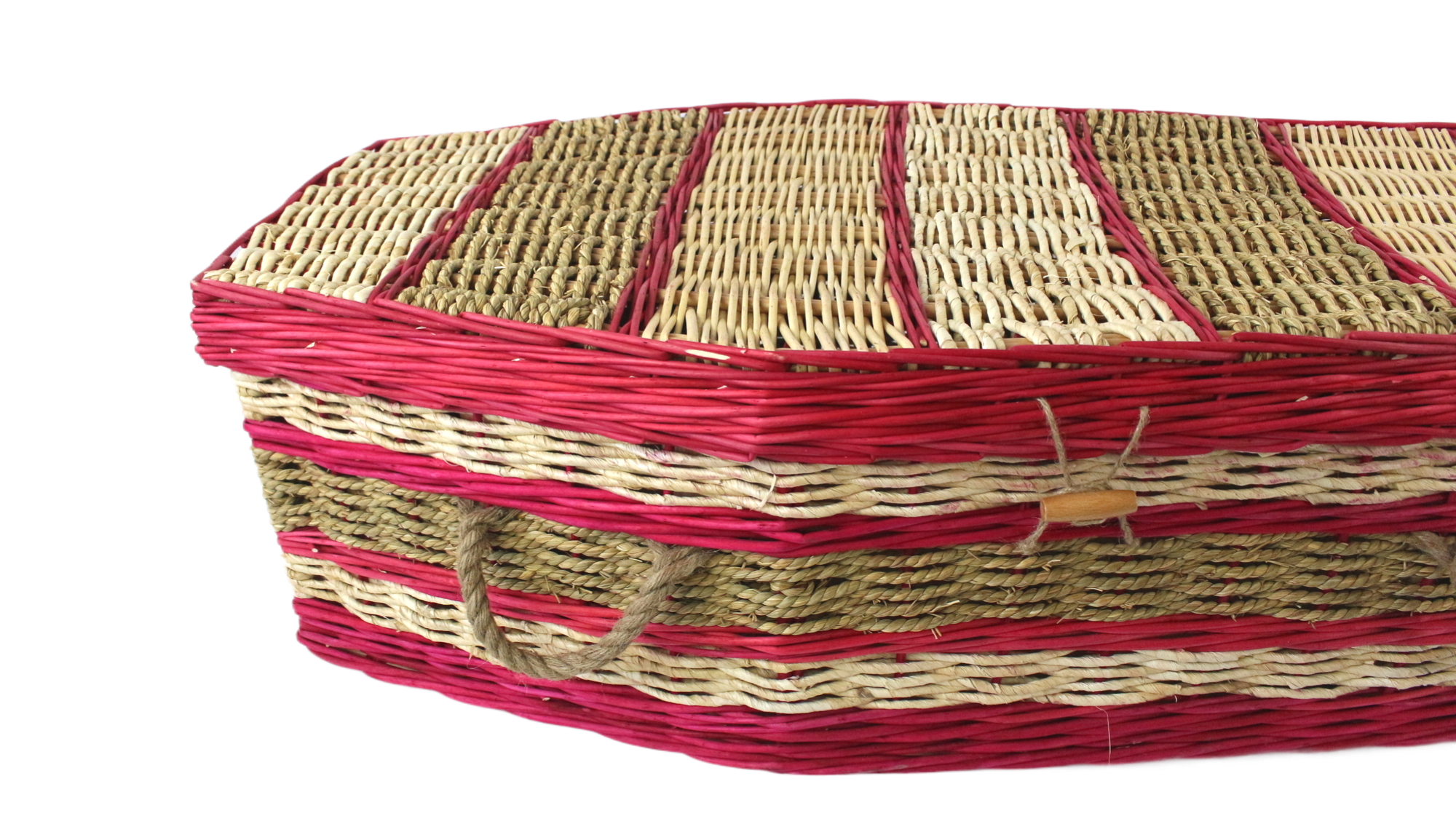 The global biodegradable funeral products market, which includes willow coffins, is a testament to this trend,the demand is robust and growing, driven by regions with strong environmental policies and consumer awareness#phoenixnestcoffins#willow coffin UK #ODM willow coffin @everyone@followers