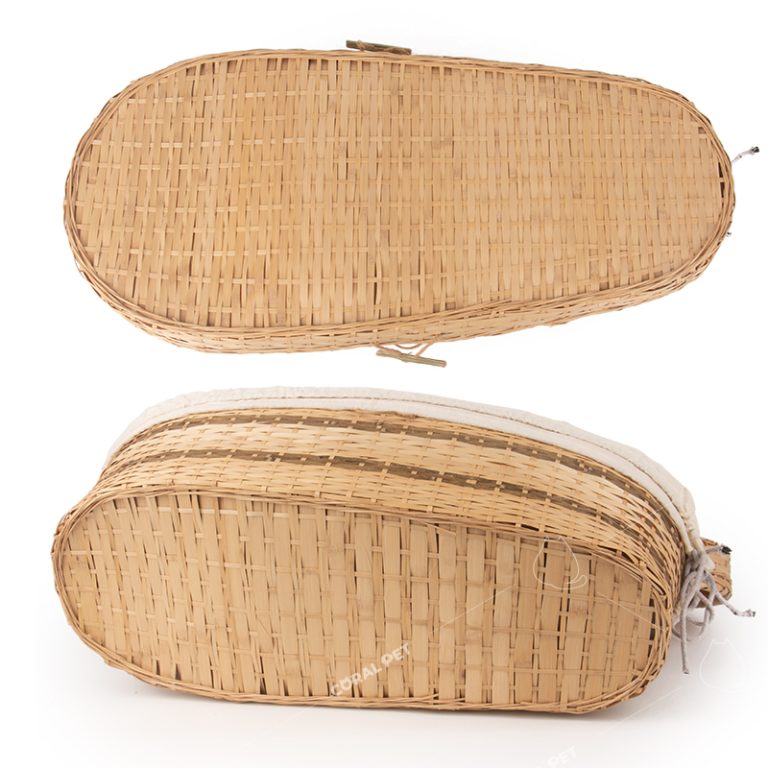
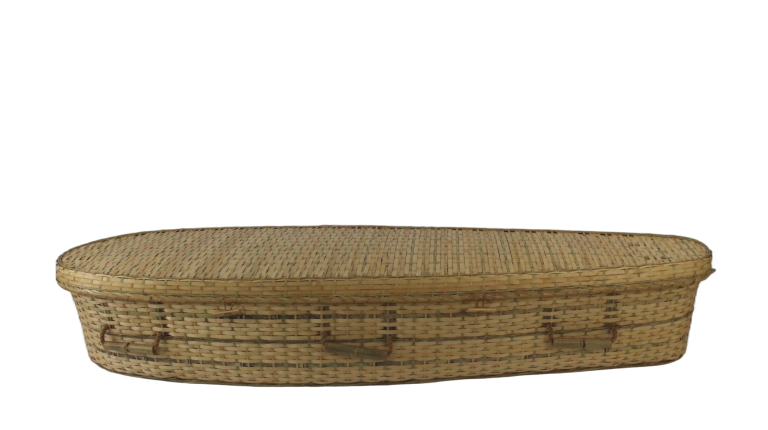
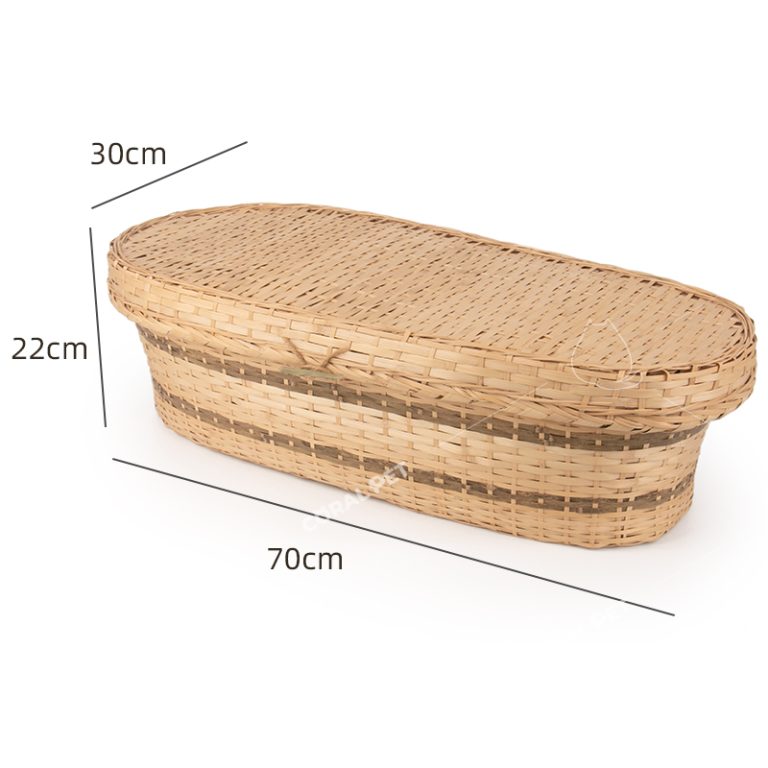
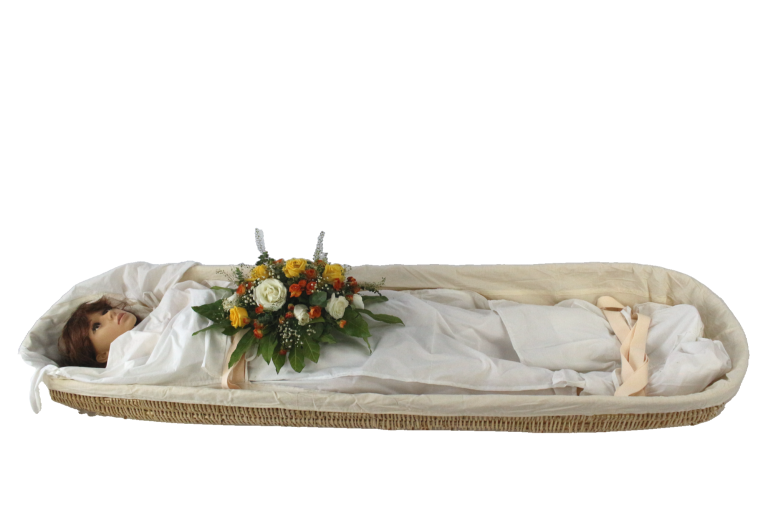
In an era of climate urgency, every choice we make—including how we lay our loved ones to rest—carries ecological weight. Traditional burials, with their resource-intensive metal, hardwood, or chemically treated caskets, often leave a lasting environmental burden. In contrast, biodegradable caskets crafted from materials like willow, bamboo, or seagrass offer a profound alternative: a final act that nourishes the planet rather than depleting it. This shift aligns with a growing global movement toward “green funerals,” where sustainability becomes an integral part of honoring life .
Inhoudsopgave
The Environmental Cost of Conventional Burials
Traditional caskets frequently rely on non-renewable materials. Metal components and synthetic linings can take decades or even centuries to decompose, while chemical finishes like varnishes and preservatives may leach toxins into soil and groundwater . Similarly, hardwood caskets often contribute to deforestation, and materials like medium-density fiberboard (MDF) release formaldehyde when cremated . These practices contradict the principles of ecological stewardship, turning funerals into sources of long-term environmental harm.
Biodegradable Caskets: A Return to Nature
Biodegradable caskets, typically made from renewable plant-based materials such as willow, bamboo, or recycled paper, are designed to decompose naturally within months to a few years . Unlike traditional options, they avoid plastics, toxic adhesives, and metallic components, ensuring a clean return to the earth. As they break down, these materials enrich the soil with organic matter, supporting plant growth and microbial diversity . For example, willow caskets—a hallmark of green burials—decompose within 6 months to 2 years, releasing nutrients back into the ecosystem while sequestering carbon . This “cradle-to-cradle” cycle transforms funeral practices from an endpoint into a regenerative act.
The Role of Linshu, Shandong: A Hub of Sustainable Craftsmanship
The town of Linshu in Shandong Province, China, renowned as the “Willow Weaving Homeland,” exemplifies how traditional artistry can advance modern sustainability goals. Local factories, such as Roconly Crafts (Lantian Crafts Co., Ltd.), combine generations of weaving expertise with eco-conscious production . Using sustainably harvested willow and bamboo, artisans handcraft caskets without synthetic chemicals or energy-intensive processes . These practices not only reduce waste but also support rural economies by providing livelihoods to weaving communities . Moreover, Linshu’s exports—reaching over 40 countries—demonstrate global appetite for funeral products that prioritize planetary health .
A Deeper Legacy: The Symbolism of a Green Farewell
Choosing a biodegradable casket is more than an ecological decision; it is a symbolic gesture of gratitude to the Earth. By opting for materials like willow or bamboo, individuals embrace humility and interconnectedness, acknowledging that even in death, we can contribute to life’s continuity . This ethos resonates with cultural shifts toward “death positivity,” where funerals become celebrations of legacy rather than exercises in avoidance . As one artisan notes, “Textiles woven for burials can serve as shrouds for life, bridging memory and sustainability” . Similarly, handmade willow caskets from Linshu embody this philosophy, merging practicality with poetic resonance.
Conclusion: A Gift That Grows
Biodegradable caskets represent a transformative approach to mortality—one that honors both the departed and the planet. By returning organic matter to the soil, they create a legacy of renewal: a tree planted above a burial site may thrive for generations, and enriched soil can support new ecosystems . For communities in Linshu and beyond, this practice also sustains cultural heritage, proving that environmental responsibility and human craftsmanship can flourish together. In the end, a biodegradable casket is not just a container but a final gift—a quiet promise to the Earth that our last act will be one of generosity, not extraction.To explore willow caskets from Linshu’s artisans or learn about customizing eco-friendly burials, contact suppliers like Phoenix Nest Crafts or Roconly (Lantian Grass & Willow Crafts) for globally certified options
We are a factory supporting eco friendly green funeral(natural willow coffins\bamboo caskets and so on) .. for detail please contact us www.roconly.com;
Roconly (LinYi) Funeral Supplies Co.,Ltd.
Whatsapp: +86-18265103836 (Whatsapp & Wechat & Tel)
Email: jason@roconly.com #willowcoffin#greencoffins#bamboocaskets#urns#naturalcoffins#chinafactory#scattertube#naturalburial#FuneralSupplies#cross#flowerbands#shrouds #carrierfuneral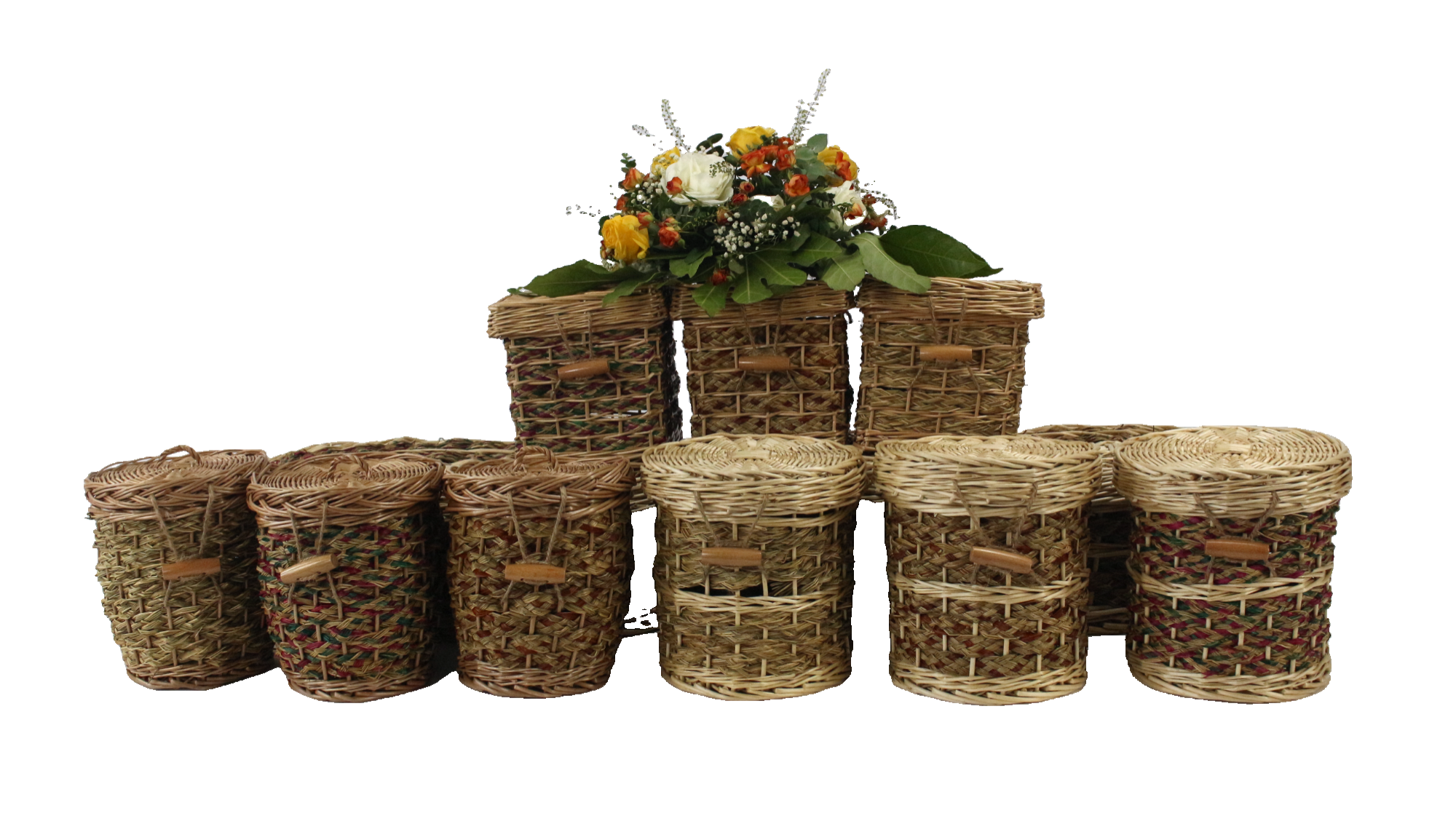 As the “World Handicraft City of Willow Weaving” Linshu boasts 100,000 mu of willow plantations and a 100,000-strong workforce , creating a self-sufficient supply woven coffin chain#roconlycoffins #everecoffin #customizedcoffin#greenburials#wicker coffin weight @everyone@followers