Inhoudsopgave
The Roots of a Rural Craft
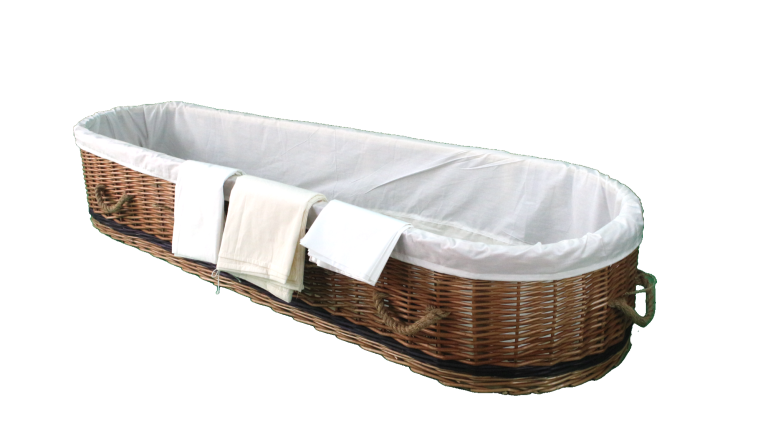
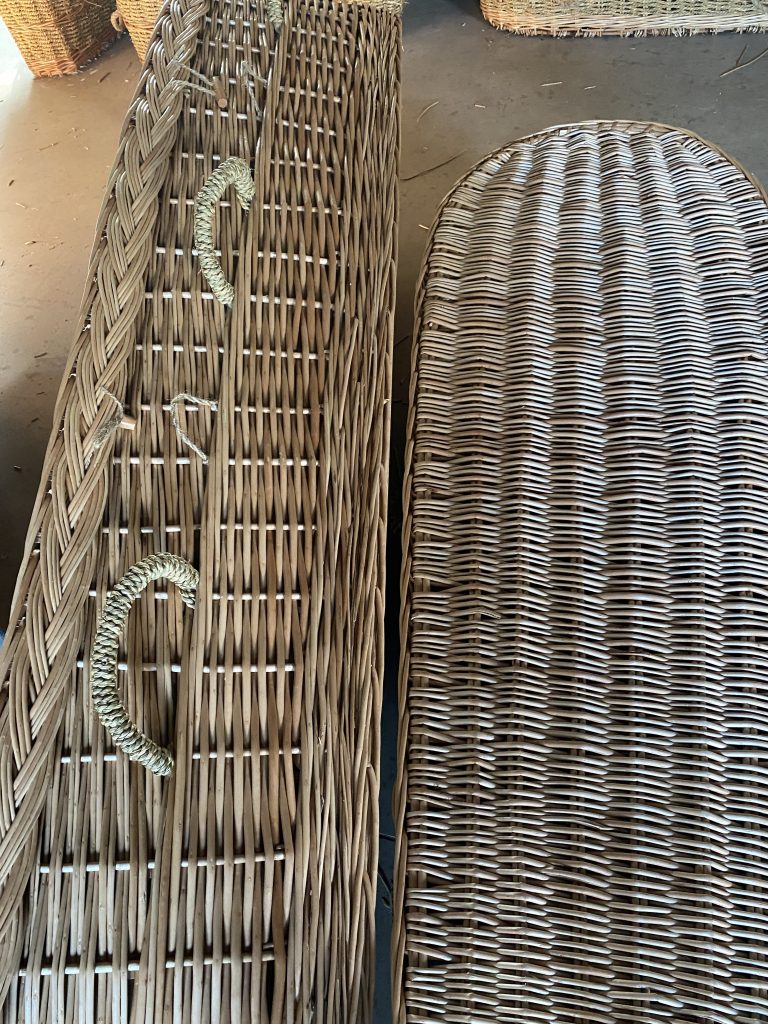
In the quiet countryside of rural England, a traditional craft continues to thrive through the skilled hands of weavers who transform humble willow rods into elegant, sustainable coffins. This practice represents more than just a local industry; it is a testament to rural heritage that connects communities across time and continents. The story of these woven caskets begins not in England’s green fields, but in the workshops of Shandong, China, where the primary materials and techniques that supply this distinctive art form originate.
The tradition of working with willow runs deep in England’s craft history, with documented evidence of basket-making and woven crafts dating back centuries. As recorded in Irish ethnographic accounts (which share similar craft traditions with rural England), local artisans historically “gathered the rods from willow trees” to create various functional items, demonstrating the longstanding relationship between craftspeople and this versatile material . This historical connection to natural materials and handcraft techniques forms the foundation upon which today’s willow coffin art is built, now enriched by global collaborations.
LinShu: The Source of Willow Craft
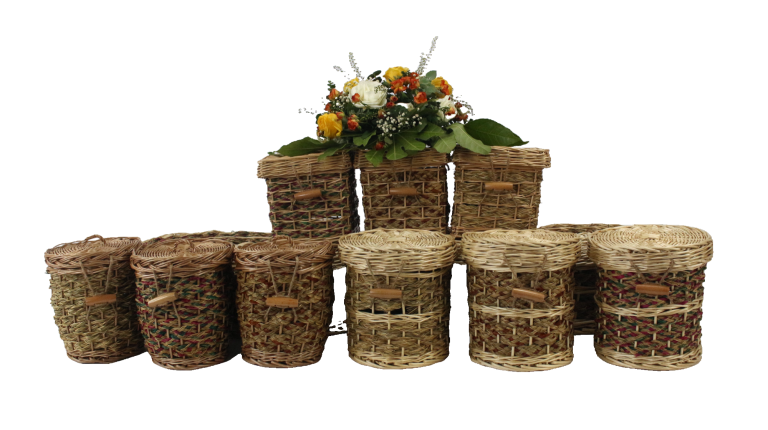
In Linshu County of Shandong Province, China, a cluster of specialized workshops has emerged as the world’s leading source for willow weaving craftsmanship. Companies like Roconly LinYi Craft Co., Ltd.,and LinShu LanTian Craft Co., Ltd., have developed into industry leaders for woven crafts made from sustainable materials including willow, grass, wood, and bamboo . These enterprises represent the modern evolution of a craft that began centuries ago in the very same region, now leveraging traditional skills on an industrial scale while maintaining artisanal quality.
These Linshu factories employ innovative techniques that honor traditional craftsmanship while meeting contemporary demands. With Roconly crafts alone producing over 10,000 different product designs and manufacturing 60 million pieces annually, the scale of production is staggering . The company’s “company +农户” business model preserves the rural craft economy by sourcing willow semi-finished products from local farmers each afternoon, thus supporting village livelihoods while maintaining consistent quality and supply . This symbiotic relationship between workshop and grower ensures that the knowledge of willow cultivation and preparation passes between generations, preserving traditional expertise while adapting to modern manufacturing requirements.
Technical Mastery and Material Preparation
The creation of these distinctive coffins begins with meticulous material selection and preparation. Linshu factories have developed specialized equipment and processes to transform raw willow into workable weaving materials. The companies hold 53 utility patents for various aspects of the production process, including specialized devices for “willow stripping and softening” and “weaving material cleaning” that prepare the willow rods while preserving their natural integrity and strength . This technical innovation complements rather than replaces traditional hand-weaving skills, resulting in materials that are both consistent in quality and beautiful in their natural variations.
The production process integrates time-honored techniques with contemporary design sensibilities. Artisans in Linshu’s workshops employ weaving methods that would be familiar to their historical counterparts while incorporating modern visual aesthetics that appeal to international markets . The willow is carefully sorted, treated, and woven using approaches that respect the material’s natural properties while ensuring the structural integrity required for their solemn purpose. This harmonious balance of old and new, form and function, local material and global design, lies at the heart of the willow coffin’s appeal.
Cultural Integration and Design Adaptation
The successful integration of Linshu-woven coffins into English funeral practices represents a remarkable cultural synthesis. The willow caskets used in rural England embody a fusion of traditions – Eastern weaving expertise applied to Western end-of-life rituals, creating a product that respects both its material origins and its cultural destination. This blending is evident in the way these coffins incorporate traditional weaving patterns with forms suited to contemporary English funeral practices, creating objects that feel simultaneously timeless and modern.
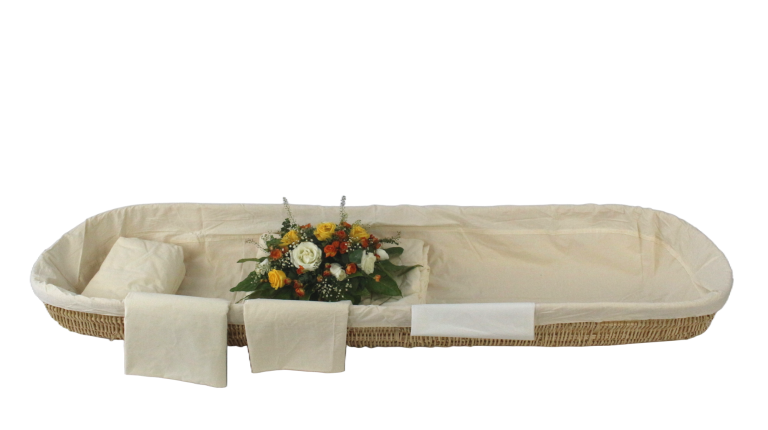
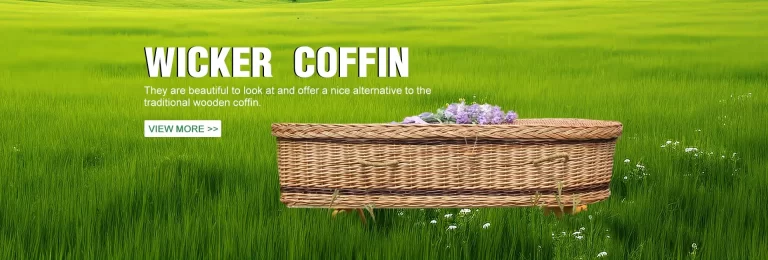
The appeal of these willow coffins lies in their authentic materiality and environmental resonance. English consumers are increasingly drawn to sustainable alternatives to traditional burials, and the willow casket – biodegradable, natural, and handcrafted – answers this growing demand while maintaining dignity and reverence. The Linshu workshops have mastered the production of coffins that are not merely containers but meaningful objects that reflect the values of those who choose them. These creations represent the highest form of rural craft – practical yet poetic, local in materials but global in reach, traditional in technique but contemporary in relevance.
The Future of Woven Memorials
As environmental concerns continue to influence consumer choices, the sustainable appeal of willow coffins positions them as increasingly significant elements of contemporary funeral practices. The future of this craft depends on maintaining the delicate balance between tradition and innovation, between artisanal values and commercial realities. Linshu’s factories, with their commitment to “technological innovation” and “brand development” while preserving traditional methods, represent a promising model for this evolving industry . Their investment in research and development, evidenced by their numerous patents and design innovations, suggests a forward-looking approach to this ancient material.
The willow coffin stands as a powerful symbol of cycle and return – a natural material that grew from the earth, transformed by human hands into a vessel for the body’s final journey back to the soil. In rural England, where these coffins are increasingly chosen for their environmental and aesthetic qualities, they represent not an end but a continuation of craft traditions that span continents and cultures. The hands of the weaver, whether in Linshu’s workshops or England’s studios, perform the same movements – bending, twisting, shaping – creating from pliant willow rods a dignified farewell that honors both the departed and the planet they leave behind.
In this ongoing story of craft and connection, the willow coffin represents a meaningful collaboration between Chinese material mastery and English cultural traditions. It demonstrates how rural crafts, often perceived as threatened by globalization, can find new relevance and vitality through international exchange, creating objects that are both practical and profound, commercial and sacred, locally made and globally meaningful.
We are a factory supporting eco friendly green funeral(natural willow coffins\bamboo caskets and so on) .. for detail please contact us www.roconly.com;
Roconly (LinYi) Funeral Supplies Co.,Ltd.
Whatsapp: +86-18265103836 (Whatsapp & Wechat & Tel)
Email: jason@roconly.com
#willowcoffin#greencoffins#bamboocaskets#urns#naturalcoffins#chinafactory#scattertube#naturalburial#FuneralSupplies#cross#flowerbands#shrouds #carrierfuneral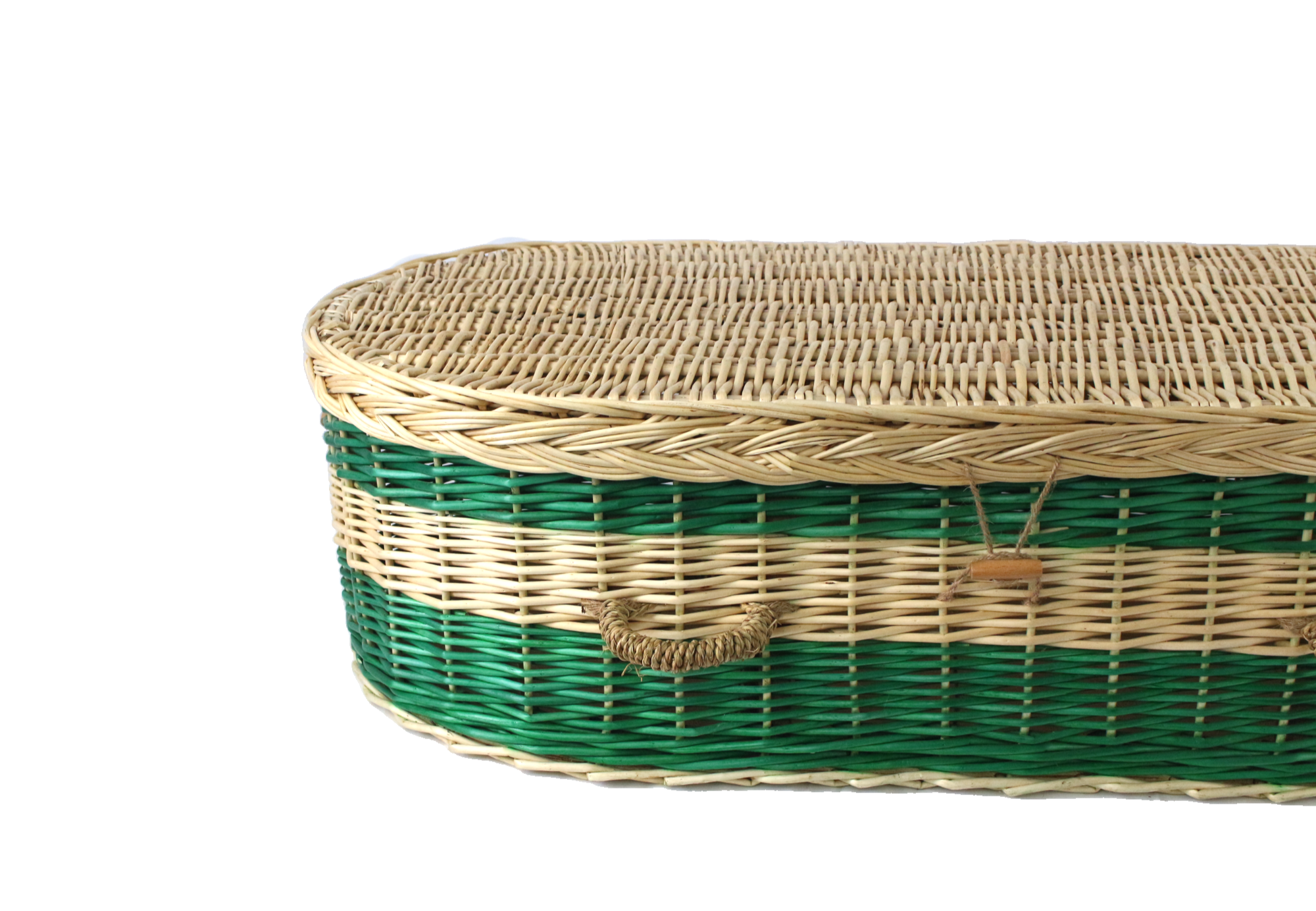 An oval shaped willow coffin that looks truly stunning especially when adorned with flowers and garlands.suitable for cremation and burial#roconlycoffins #everecoffin#what is a willow coffin #wicker coffin sizes #wicker basket coffin cost @everyone@followers