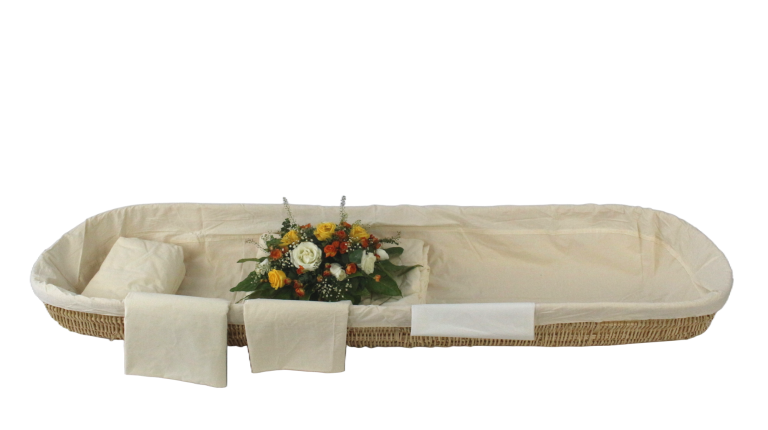
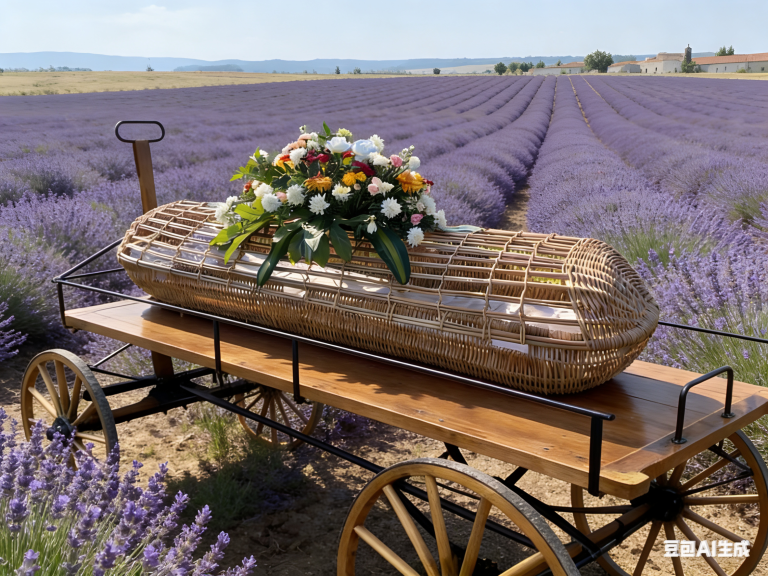
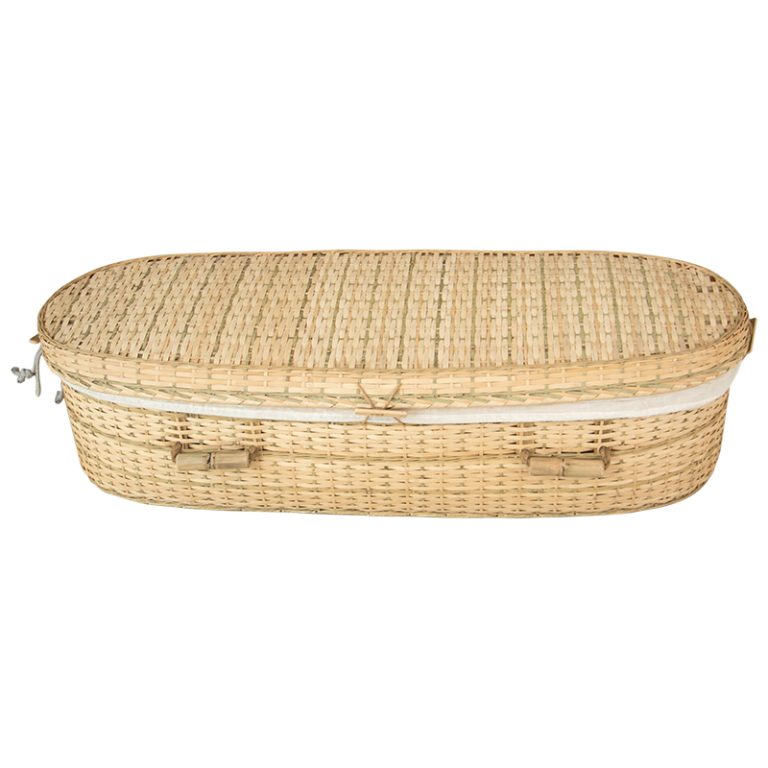
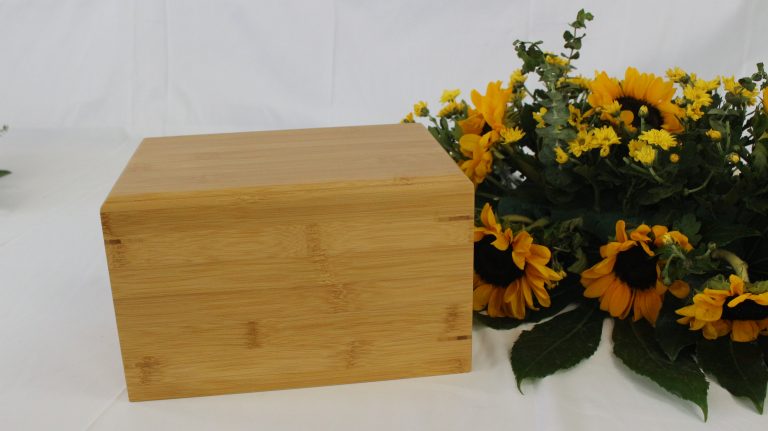
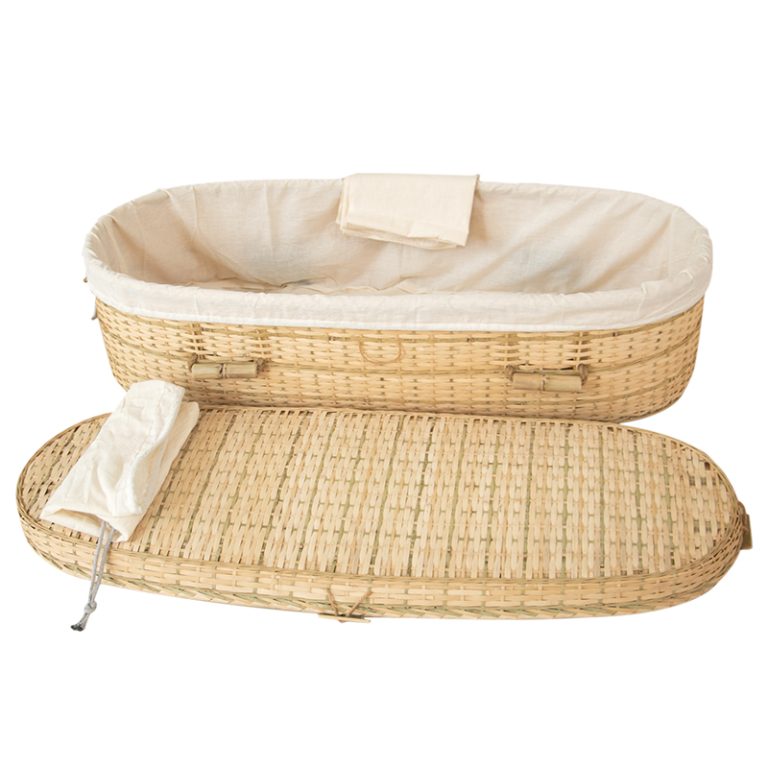
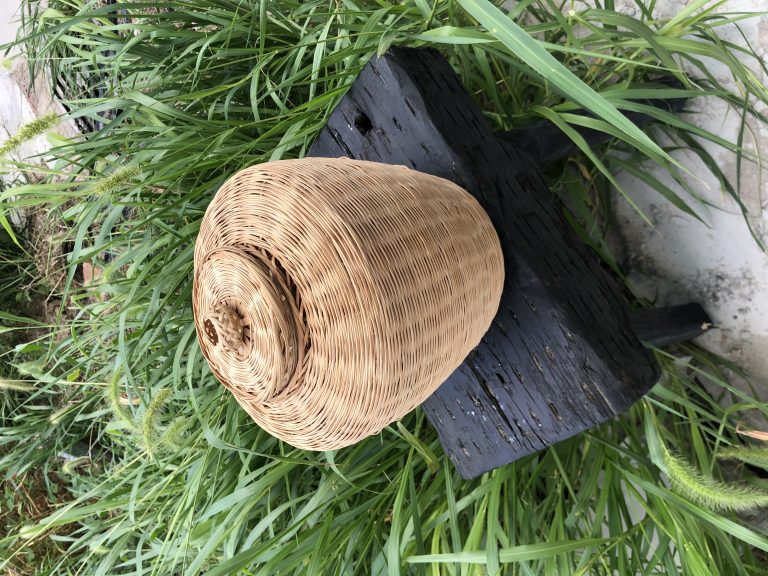
In Shandong Province’s Linshu County, the ancient craft of woven willow coffin making has evolved into a model of sustainable production. As a leading center for these eco-friendly burial solutions, Linshu’s source factories combine centuries-old techniques with modern environmental standards, offering a meaningful alternative to conventional coffins.
Table of Contents
Sustainable Material Sourcing
Linshu’s factories primarily use natural willow shoots (Chinese wicker), a renewable resource cultivated locally for over 1,400 years. These farms cover approximately 100,000 mu (over 16,000 acres) in the region, promoting soil stabilization and water retention. Unlike traditional hardwood coffins, which often rely on slow-growing trees, willow grows quickly, absorbing carbon dioxide efficiently and supporting local biodiversity. Some manufacturers also incorporate agricultural by-products like rice straw, wheat straw, and wood scraps, reducing waste and minimizing the need for forest logging.
Energy-Efficient and Low-Emission Production
The manufacturing process emphasizes resource conservation. Factories increasingly adopt solar-powered drying systems and optimize water usage during willow treatment and dyeing. For instance, advanced facilities have implemented centralized control systems to monitor energy consumption, cutting water use in processing by up to 40% and significantly reducing wastewater emissions. This aligns with Linshu’s broader initiative to develop green industrial parks, where renewable energy and circular production models are prioritized.
Non-Toxic and Biodegradable Outcomes
Linshu’s woven coffins avoid synthetic additives. Artisans use traditional methods—stripping, drying, and weaving willow—to create sturdy, chemical-free products. When buried, these coffins decompose fully within 12–18 months, enriching the soil without leaving harmful residues. This contrasts with non-biodegradable metal or lacquered wooden coffins. Moreover, willow’s natural properties eliminate the need for formaldehyde-based adhesives or toxic paints, ensuring minimal environmental impact at the end of life.
Supporting a Circular Economy
Local factories operate within an integrated system that benefits the regional economy. Small-scale workshops and large enterprises collaborate under frameworks like the “Linshu Willow Weaving” Geographical Indication Zone, which enforces standards for sustainable sourcing and production. This not only preserves traditional craftsmanship but also promotes eco-innovation—such as developing hybrid willow varieties for better yield and creating biodegradable packaging. By 2022, the industry had generated ¥4 billion in annual output while supporting nearly 100,000 local jobs, proving that ecological practices can drive rural revitalization.
Conclusion
Linshu’s willow coffin industry demonstrates how heritage and ecology can intersect. By prioritizing renewable materials, clean production, and full biodegradability, these source factories provide an environmentally conscious choice for end-of-life arrangements, contributing to a greener future—one that honors both tradition and the planet.
We are a factory supporting eco friendly green funeral(natural willow coffins\bamboo caskets and so on) .. for detail please contact us www.roconly.com;
Roconly (LinYi) Funeral Supplies Co.,Ltd.
Whatsapp: +86-18265103836 (Whatsapp & Wechat & Tel)
Email: jason@roconly.com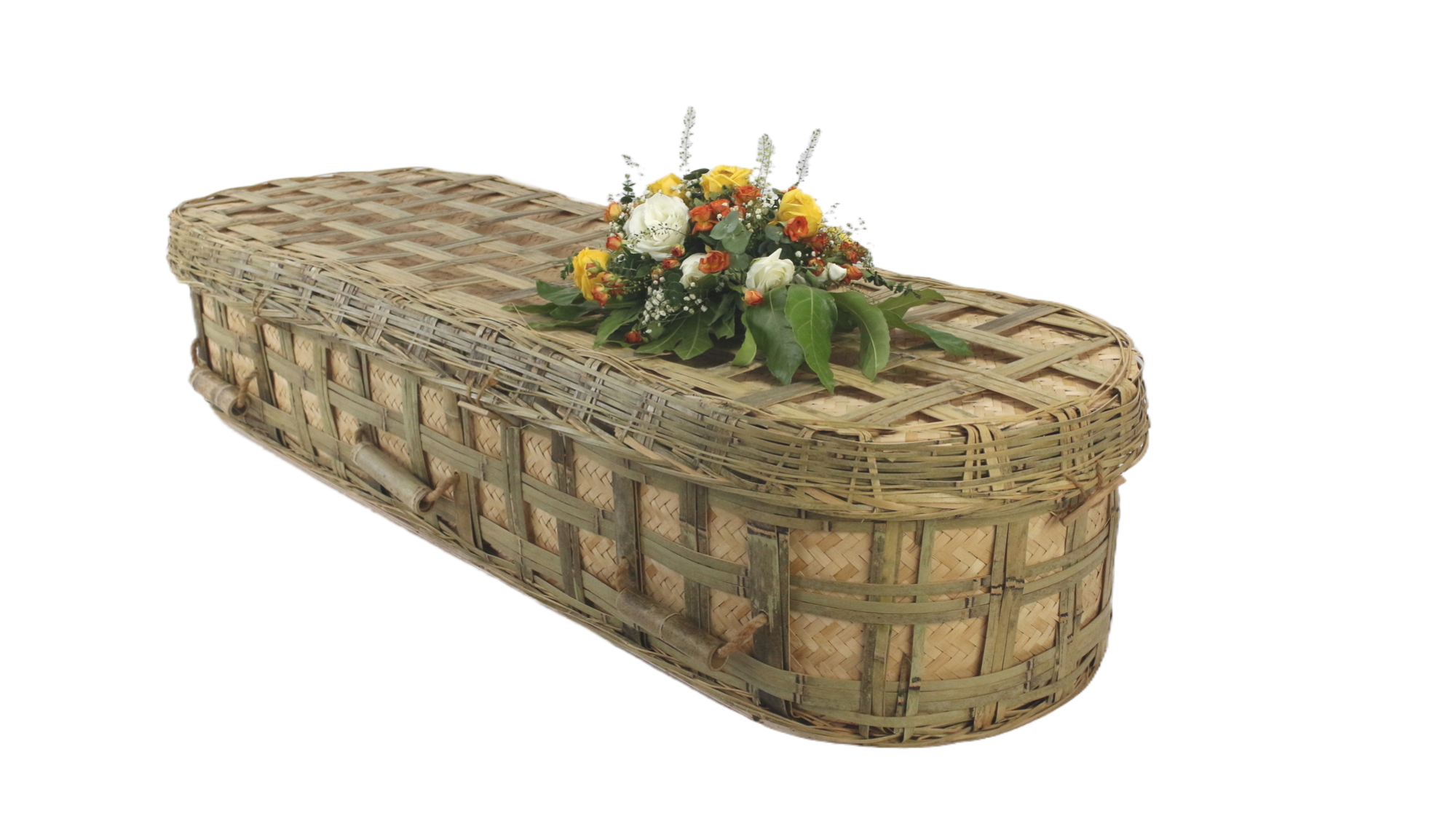
Top toolbarAccess all block and document tools in a single placeSpotlight modeFocus on one block at a timeFullscreen modeShow and hide admin UICtrl+Shift+Alt+FDistraction freeWrite with calmnessCtrl+Shift+\
EditorVisual editorCode editorCtrl+Shift+Alt+M
PluginsKadence Blocks ControlsWPGlobusPost Settings
Tools
Manage patternsKeyboard shortcutsShift+Alt+HWelcome GuideCopy all blocks