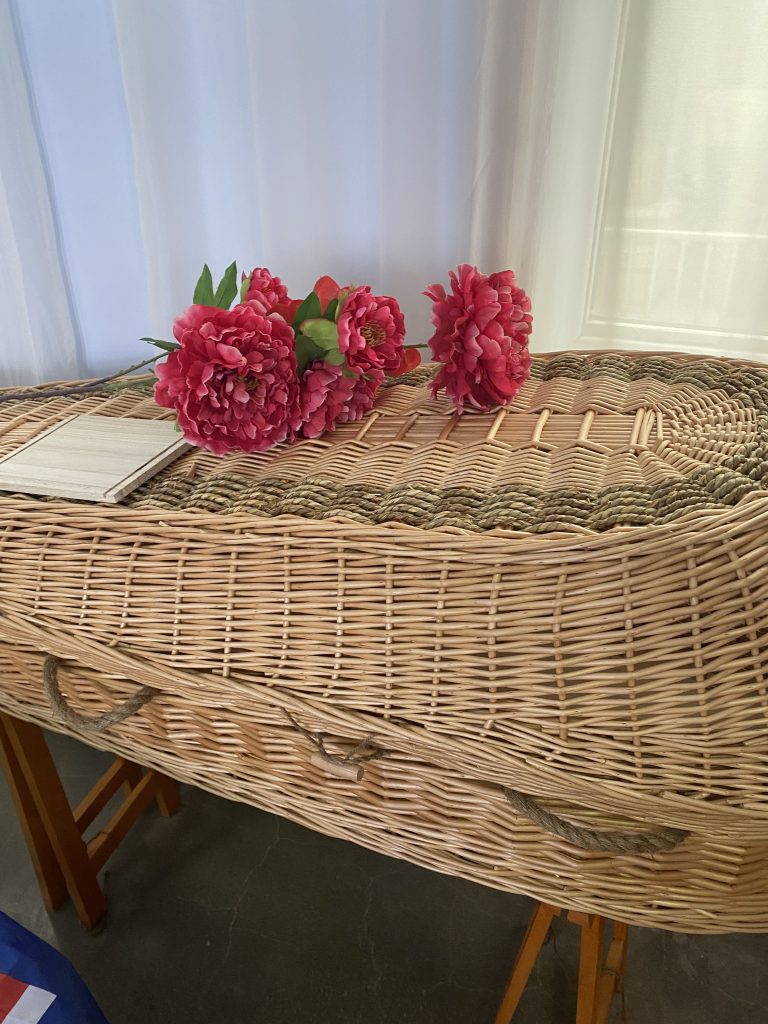
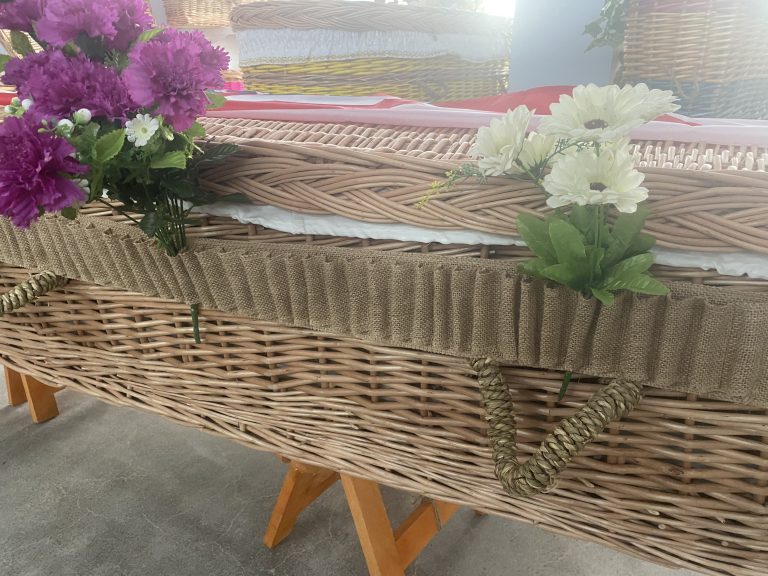
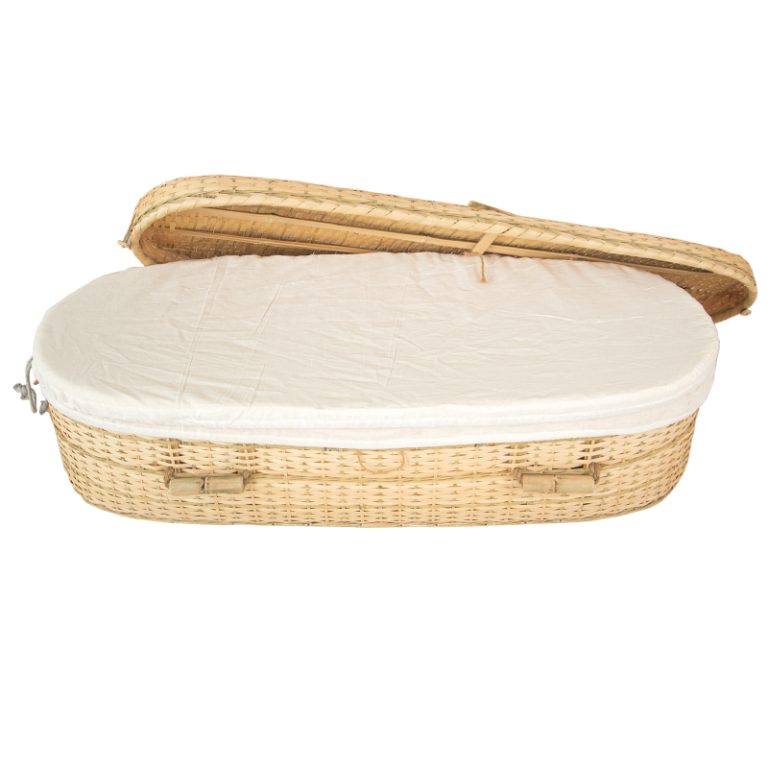
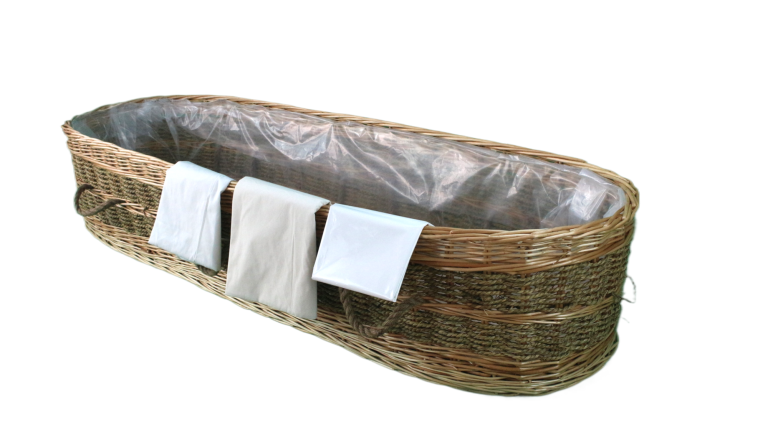
In an era where environmental consciousness permeates every aspect of life, even death is undergoing a green transformation. The rise of biodegradable coffins represents a profound shift toward sustainable end-of-life practices, challenging the traditional funeral industry’s reliance on resource-intensive materials like hardwood and metal. Among these eco-friendly alternatives, wicker coffins—crafted from woven willow branches—stand out for their natural elegance, minimal environmental impact, and alignment with global sustainability goals. As the world grapples with climate change and resource depletion, these coffins offer a meaningful way to honor the deceased while preserving the planet for future generations.Wicker coffins embody the principles of circular economy and regenerative design. Made from willow, a fast-growing plant that thrives in wetland areas without the need for pesticides or heavy irrigation, they are fully biodegradable, breaking down naturally in soil within months to years. Unlike conventional coffins, which can leach chemicals into the earth and contribute to deforestation, wicker options reduce carbon emissions by up to 80% during production and disposal. This not only minimizes pollution but also supports biodiversity by encouraging the cultivation of willow plantations that act as carbon sinks and habitats for wildlife. On a global scale, adopting such practices could significantly lower the funeral sector’s ecological footprint, which currently accounts for substantial timber consumption and greenhouse gas emissions. By promoting natural burial sites where bodies decompose organically, wicker coffins foster soil regeneration, turning graveyards into thriving ecosystems rather than sterile plots.The long-term value of wicker coffins for global sustainable development extends beyond immediate environmental benefits. They encourage a cultural shift toward mindfulness in consumption, inspiring communities to rethink waste and resource use. In regions facing land scarcity and pollution, like urban Asia and Europe, these coffins facilitate space-efficient green burials, preserving arable land for agriculture. Economically, they bolster rural livelihoods by creating demand for sustainable farming and artisanal crafts. As international regulations tighten on carbon-intensive industries, wicker coffins position countries at the forefront of green innovation, potentially driving export markets and job creation in eco-manufacturing. Over decades, widespread adoption could contribute to achieving UN Sustainable Development Goals, particularly those related to responsible consumption (SDG 12) and climate action (SDG 13), by reducing reliance on non-renewable resources and promoting renewable alternatives.At the heart of this movement lies China’s Linyi Linshu, renowned as the origin of premium willow weaving and a key source factory hub for wicker coffins. Nestled in Shandong Province, Linshu County boasts a centuries-old tradition of willow cultivation and craftsmanship, dating back to the Ming Dynasty. Here, vast willow fields span thousands of hectares, harvested sustainably to ensure regrowth and soil health. Local factories, such as those in the Linshu Willow Weaving Industrial Park, employ skilled artisans who hand-weave coffins using time-honored techniques passed down through generations. These facilities prioritize ethical labor and eco-friendly processes, sourcing willow from certified plantations that avoid chemical fertilizers. As a global supplier, Linshu’s factories export to over 50 countries, including the UK, Australia, and the US, where demand for biodegradable burials surges amid growing awareness of “death positivity” and environmental stewardship. By integrating modern quality controls with traditional methods, these source factories ensure durability and aesthetic appeal, making wicker coffins a viable, affordable alternative to imports from less sustainable regions.Looking ahead, the rise of biodegradable coffins like those from Linshu signals a hopeful trajectory for humanity’s final farewells. As consumers increasingly seek meaningful, planet-friendly options, wicker coffins not only honor personal legacies but also safeguard the Earth’s. By championing such innovations, we pave the way for a world where death nurtures life, ensuring sustainable development endures beyond our time.
We are a factory supporting eco friendly green funeral(natural willow coffins\bamboo caskets and so on) .. for detail please contact us www.phoenixnestcoffins.com;
Phoenix Nest ( Shandong ) Crafts Co.,Ltd.
Whatsapp: +86-18265103836 (Whatsapp & Wechat & Tel)
Email: jason@phoenxinestcoffin.cn
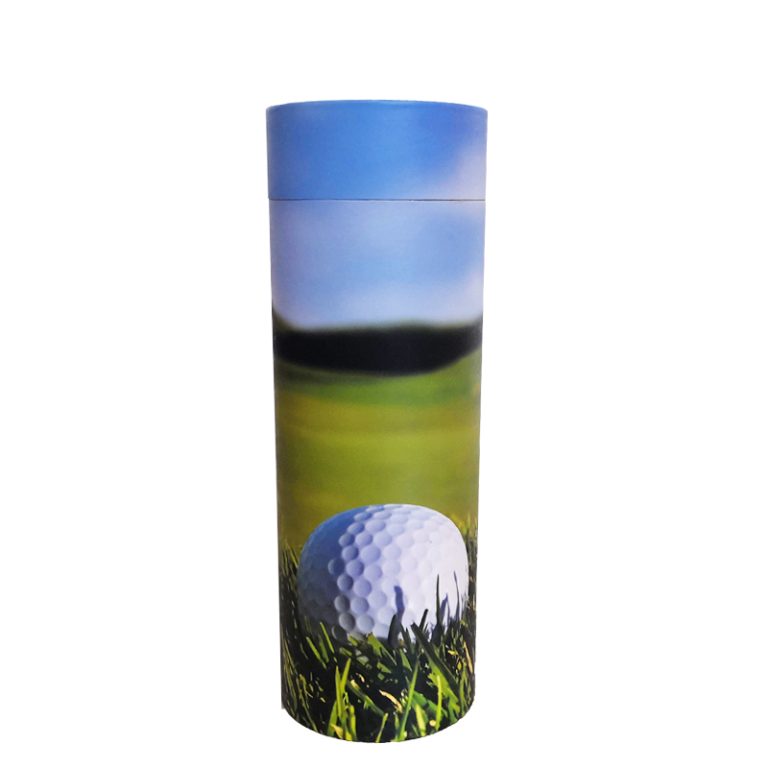
#willowcoffin#greencoffins#bamboocaskets#urns#naturalcoffins#chinafactory#scattertube#naturalburial#FuneralSupplies#cross#flowerbands#shrouds #carrierfuneral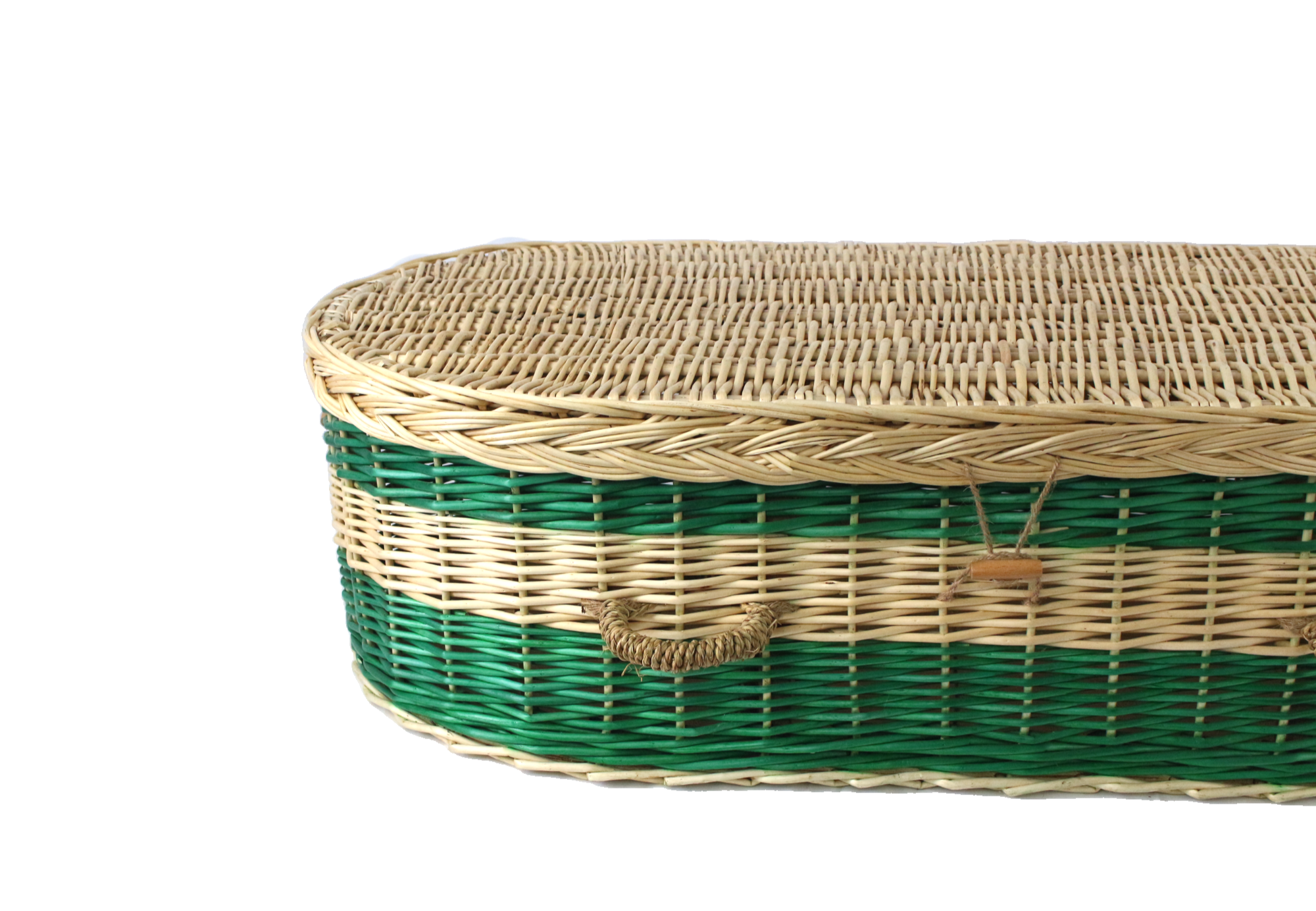 A willow coffin is a powerful symbol of a return to simplicity and environmental stewardship. It is a handcrafted, natural product that meets the demands of a changing global funeral landscape#phoenixnestcoffins#willow coffin antique#willow coffin weaving@everyone@followers