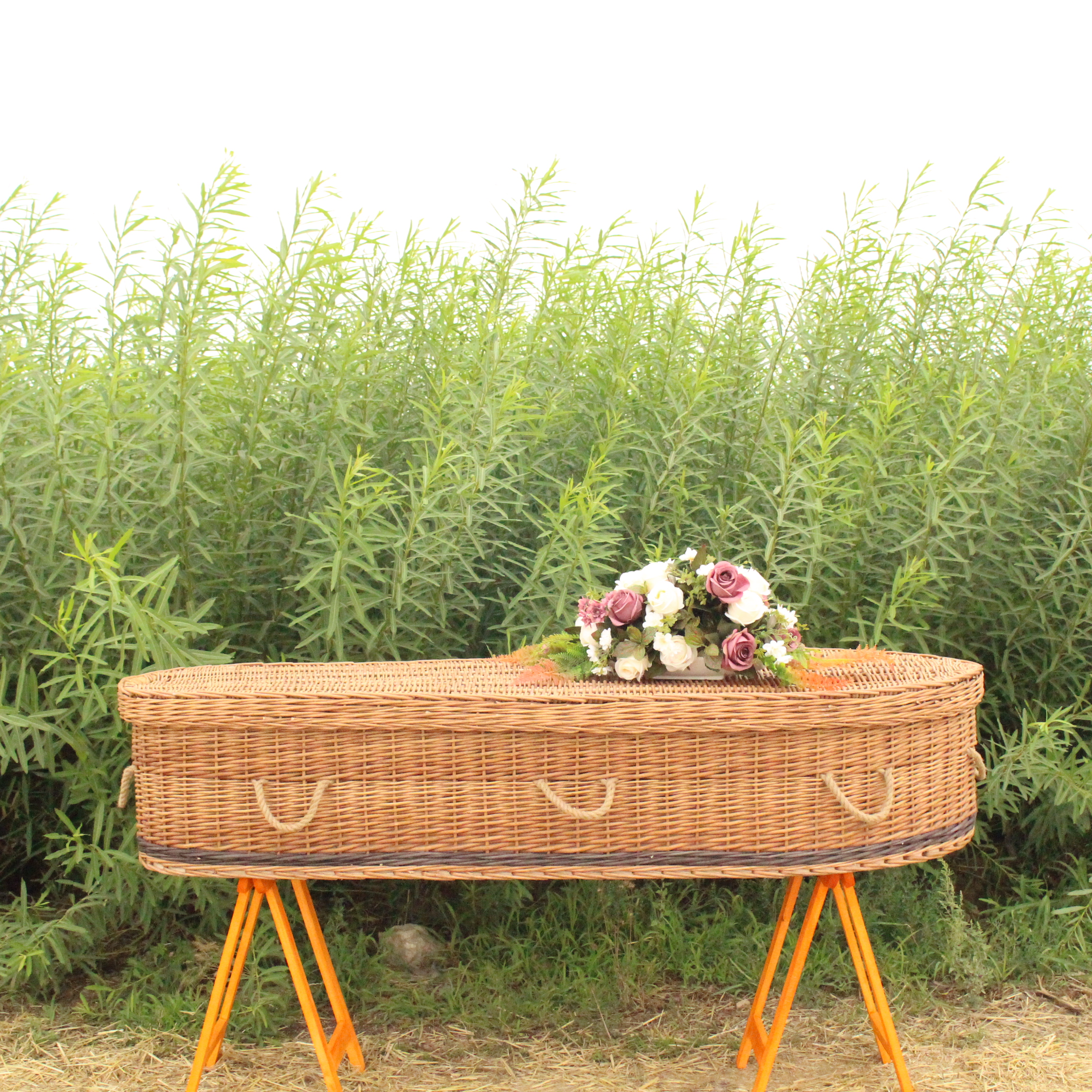
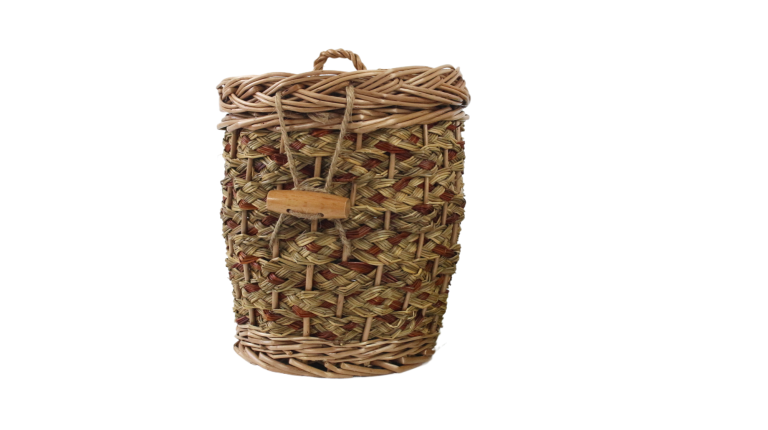
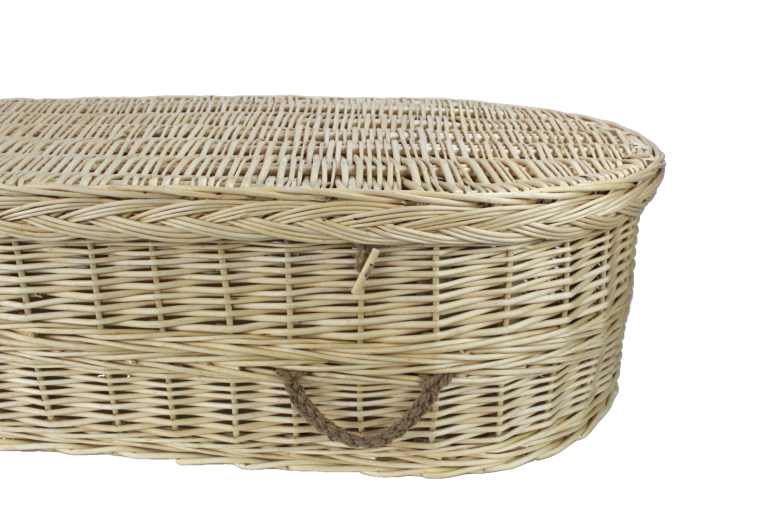
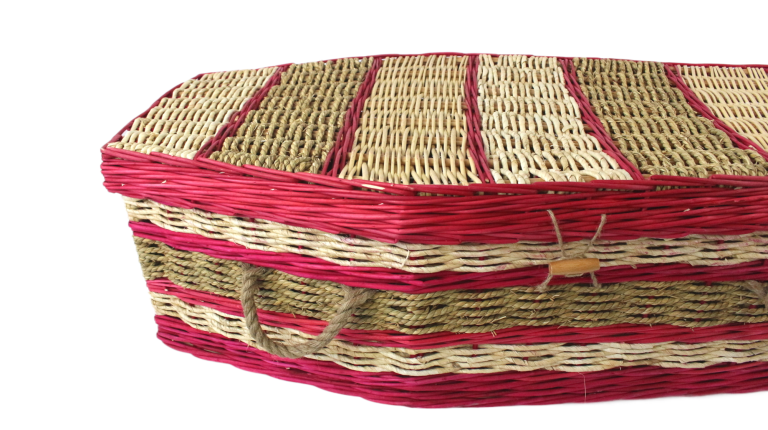
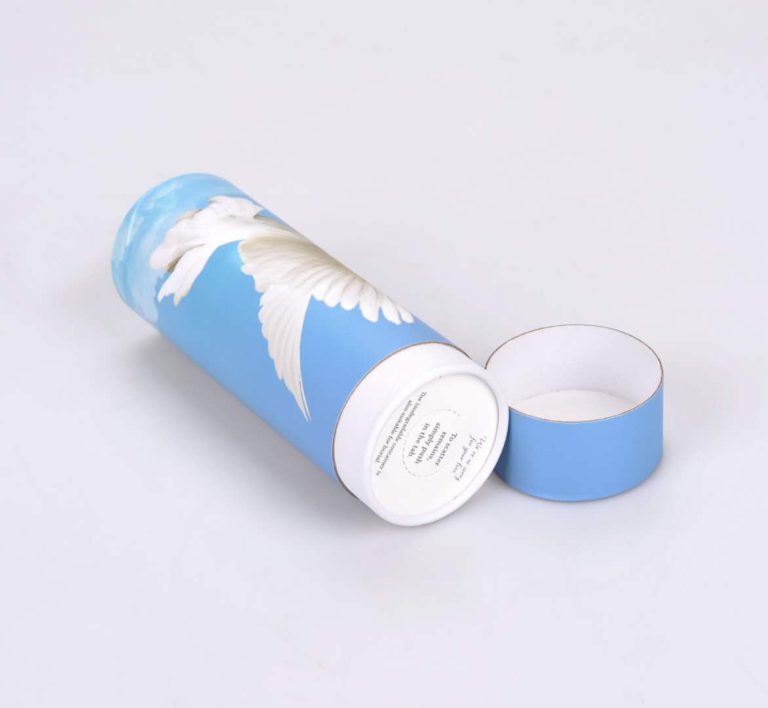
The growing demand for pet green funerals, driven by environmental consciousness and the humanization of pets, has sparked interest in sustainable alternatives like woven coffins. These biodegradable materials, often made from willow, bamboo, or seagrass, align with the principles of eco-friendly aftercare. However, their acceptance varies significantly across different religious traditions, which shape attitudes toward death, burial practices, and the natural world .
In Christianity, particularly in Western countries, woven coffins are increasingly embraced. The tradition emphasizes the soul’s ascension to heaven, while the body is seen as transient. This perspective allows flexibility in burial choices, especially when sustainability is prioritized. For instance, eco-conscious pet owners in North America and Europe often opt for green funerals, incorporating woven coffins as a symbol of returning to the earth—a concept compatible with Christian stewardship of nature .
Buddhist traditions, prevalent in Asia, generally view woven coffins favorably. Buddhism stresses impermanence and harmony with nature, making biodegradable materials a natural fit. In countries like Japan and Thailand, pet funerals may include rituals that honor reincarnation or peaceful transition, where woven coffins reflect minimal environmental impact. Similarly, Hindu practices, which emphasize cyclicality and purity, support eco-friendly options like bamboo or willow coffins for pets, aligning with the principle of ahimsā(non-harm) toward the environment .
In contrast, Islam and Orthodox Judaism prioritize simplicity and rapid decomposition but may favor traditional materials over woven designs. Islamic teachings advocate for modest burials, while Jewish law emphasizes plain wooden coffins. While woven coffins could meet these criteria if made from natural, untreated materials, cultural preferences for conventional pet burials might limit their adoption in these communities .
Indigenous and animist beliefs often celebrate woven coffins as part of a holistic return to nature. For example, in parts of Latin America and Africa, rituals that honor ancestral bonds with the land may incorporate handmade coffins as a tribute to ecological balance. Meanwhile, Shintoism in Japan, which reveres purity and natural elements, may see woven materials as spiritually appropriate for pet funerals, provided they adhere to cleanliness standards .
Religious compatibility with woven coffins also intersects with regional practices. In China, where Confucian and Buddhist traditions coexist, pet funerals are increasingly popular. While traditional human burials may emphasize elaborate coffins, pets’ aftercare is more flexible, allowing eco-friendly options. However, cultural taboos around death could slow adoption, highlighting the need for sensitivity in promoting green alternatives .
In summary, woven coffins for pet green funerals find broadest acceptance in religions that emphasize environmental harmony, such as Christianity, Buddhism, and Indigenous beliefs. Challenges persist in traditions with specific material requirements, but growing ecological awareness may bridge these gaps. As the pet funeral market expands—projected to reach $2.76 billion by 2029—understanding religious nuances will be key to promoting sustainable practices globally
We are a factory supporting eco friendly green funeral(natural willow coffins\bamboo caskets and so on) .. for detail please contact us www.roconly.com;
Roconly (LinYi) Funeral Supplies Co.,Ltd.
https://roconly.com/
Whatsapp: +86-18265103836 (Whatsapp & Wechat & Tel)
Email: jason@roconly.com