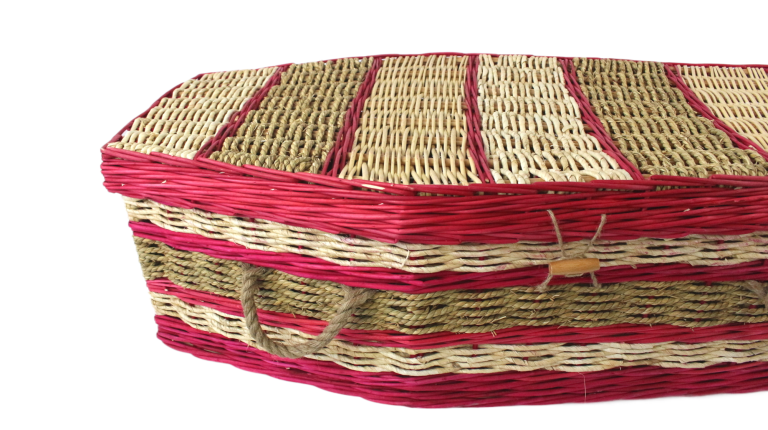
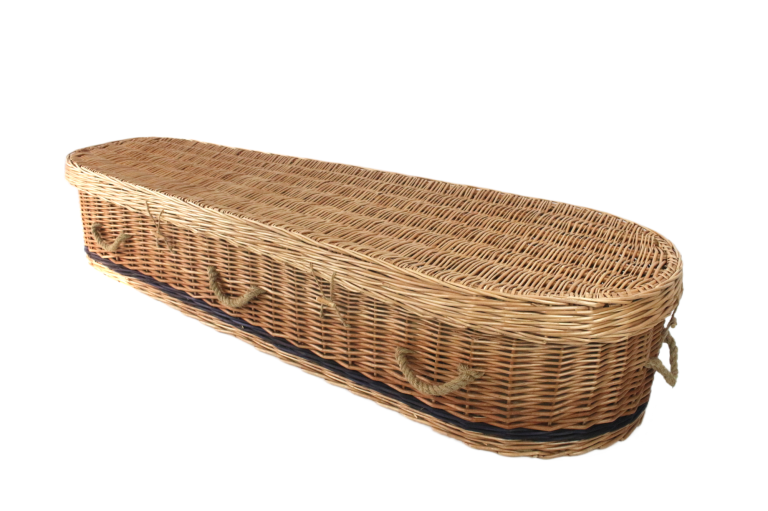
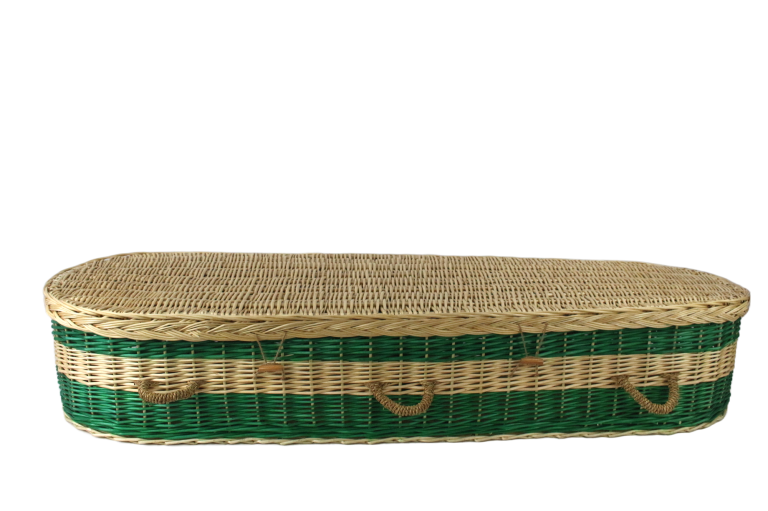
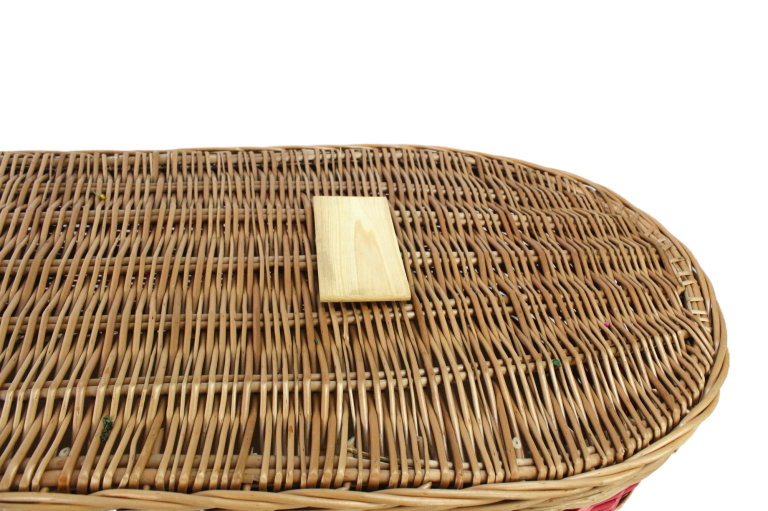
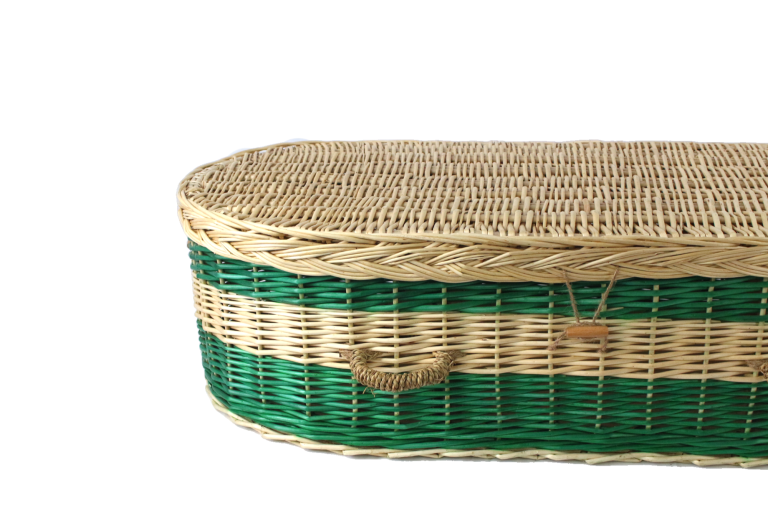
A Global PerspectiveBiodegradable woven coffins, crafted from natural materials like willow, rattan, or seagrass, represent a cornerstone of eco-friendly funeral practices worldwide. These handwoven caskets decompose naturally, minimizing environmental impact compared to traditional metal or hardwood options that can persist for centuries.
titancasket.com
As green burials gain traction amid climate concerns, understanding their decomposition timeline is crucial for families, regulators, and environmentalists. Globally, these coffins typically break down in 9 months to 4 years, though this varies based on material, soil conditions, and burial practices.
ecoverdefuneralsupplies.com
This article explores decomposition durations, influencing factors, and international insights, highlighting how these sustainable vessels align with planetary health.Decomposition time for biodegradable woven coffins hinges on their organic composition. Willow-based models, popular for their flexibility and renewability, often degrade in 9 months to 2.5 years under optimal conditions.
ecoverdefuneralsupplies.com
Broader biodegradable coffins, including woven variants, generally decay within 3-4 years, far quicker than non-biodegradable alternatives that may last decades or centuries.
cosgrovegreenburial.co.uk
Wicker coffins, woven from similar fibers, can fully decompose in a few years, leaving minimal residue and enriching soil with nutrients.
titancasket.com
Without embalming, the coffin and body together may take 8-12 years to fully skeletonize, but the woven structure itself breaks down faster, aiding natural processes.
urnsnw.com
This rapid breakdown supports biodiversity in natural burial sites, where coffins integrate into ecosystems rather than obstruct them.Several factors influence decomposition rates, creating variability across global contexts. Soil type is paramount: sandy, well-aerated soils accelerate breakdown through microbial activity, while clay-heavy or waterlogged soils slow it.
overnightcaskets.com
Moisture levels play a dual role—adequate humidity fosters bacteria and fungi essential for decay, but excess can lead to anaerobic conditions that preserve materials longer.
theghanareport.com
Temperature affects enzymatic processes; warmer climates speed decomposition, whereas colder regions extend timelines.
overnightcaskets.com
Burial depth matters too: shallower graves (common in green burials) expose coffins to more oxygen and organisms, hastening decay compared to deeper traditional interments.
sciencedirect.com
Acidity levels in soil can either preserve or erode fibers; more acidic environments often increase breakdown rates.
theghanareport.com
Additionally, the absence of embalming chemicals, which inhibit microbes, ensures quicker natural decomposition.
greenburialcouncil.org
From a global viewpoint, decomposition experiences differ by region, reflecting diverse climates and practices. In the United Kingdom, where natural burials originated in the 1990s, willow coffins in woodland sites decompose in 1-3 years, bolstered by temperate, moist soils that promote rapid microbial action.
cosgrovegreenburial.co.uk
European countries like Germany and the Netherlands report similar timelines, with woven coffins in green cemeteries breaking down within 2-4 years, aided by regulations favoring biodegradable materials.
cosgrovegreenburial.co.uk
In North America, particularly the US and Canada, willow or seagrass coffins in conservation areas may take 1-5 years, influenced by varying climates—from arid Western states slowing processes to humid Eastern regions accelerating them.
cremation.green
Australian examples highlight faster decomposition in tropical zones, often under 2 years due to high temperatures and active soil life, while cooler southern areas extend to 3-4 years.
researchandmarkets.com
In Asia, including China and India, woven bamboo hybrids decompose in 9-18 months in monsoon-prone soils, supporting urban green initiatives amid land scarcity.Production hubs like China’s Linshu County in Linyi, known for exporting willow coffins worldwide, emphasize materials that ensure efficient decomposition. These factories use pesticide-free willow, which degrades naturally without lingering toxins, supplying global markets and standardizing eco-friendly timelines.In conclusion, biodegradable woven coffins decompose in 9 months to 4 years globally, offering a sustainable farewell that nurtures the earth. By considering environmental factors and regional variations, families can make informed choices, contributing to a greener legacy. As demand grows, these timelines underscore the viability of green burials in combating ecological challenges.
We are a factory supporting eco friendly green funeral(natural willow coffins\bamboo caskets and so on) .. for detail please contact us www.phoenixnestcoffins.com;
Phoenix Nest ( Shandong ) Crafts Co.,Ltd.
Whatsapp: +86-18265103836 (Whatsapp & Wechat & Tel)
Email: jason@phoenxinestcoffin.cn
#willowcoffin#greencoffins#bamboocaskets#urns#naturalcoffins#chinafactory#scattertube#naturalburial#FuneralSupplies#cross#flowerbands#shrouds #carrierfuneral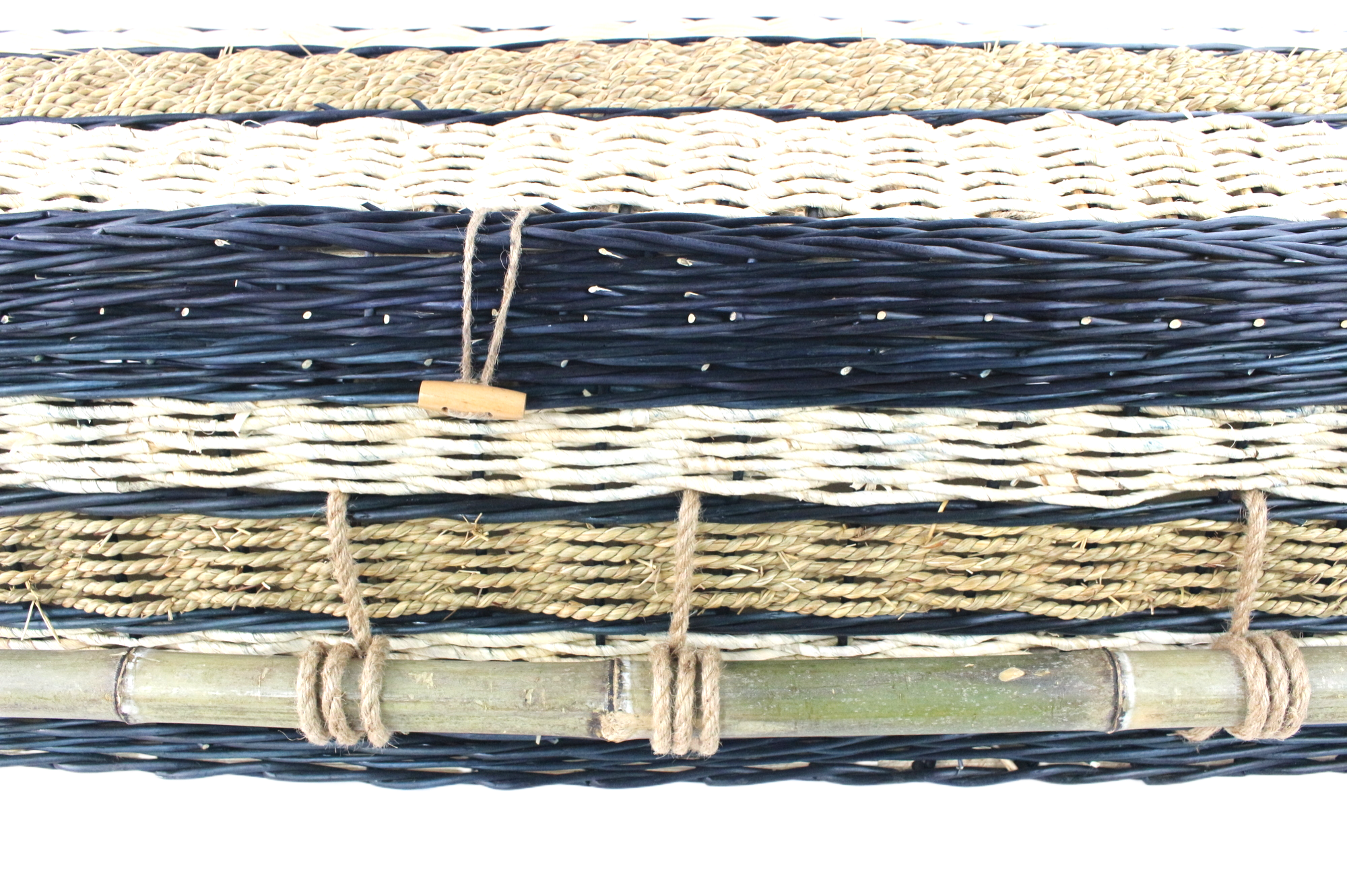 Workers, many with decades of willowworking expertise, flexible strips, avoiding chemical adhesives ,The strips are woven into caskets barely larger than a shoebox, their edges weaven by hand to mirror the tenderness of a baby’s form#phoenixnestcoffins#memorial#lostlove@everyone@followers