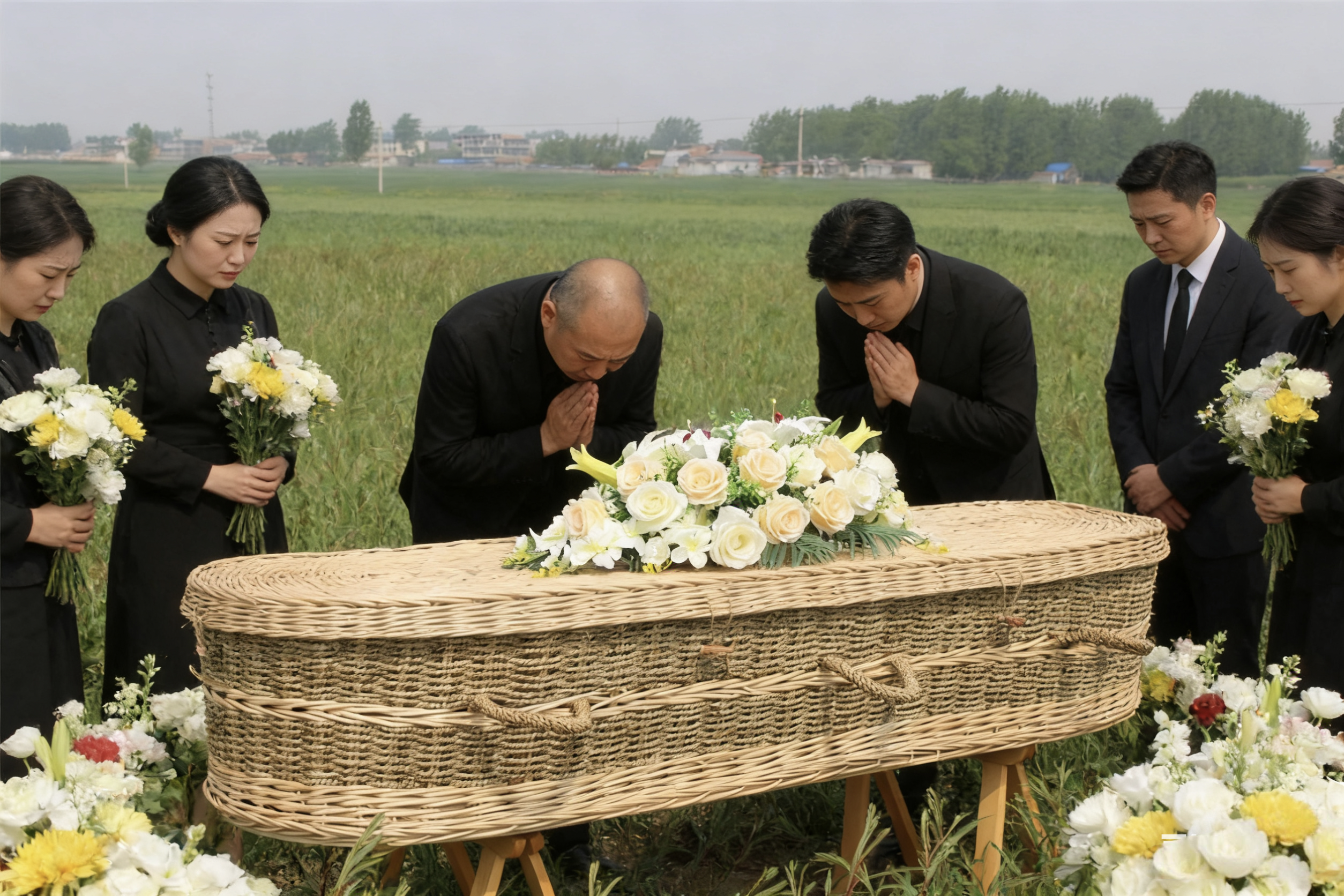
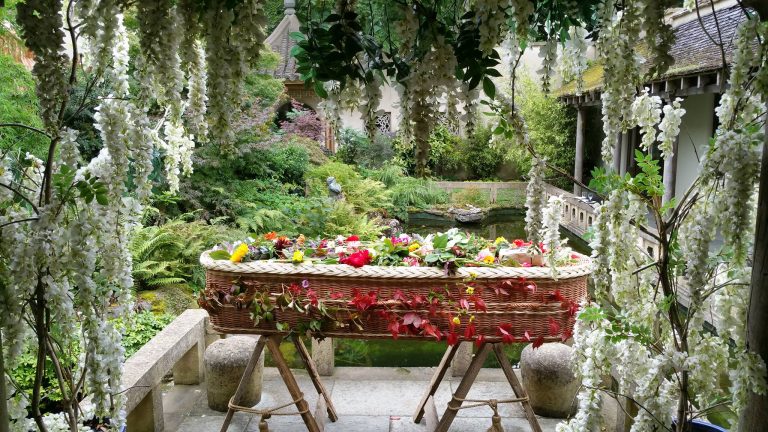
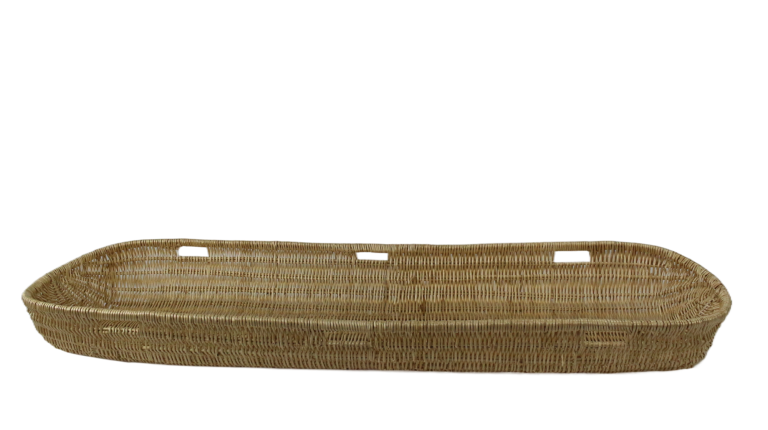
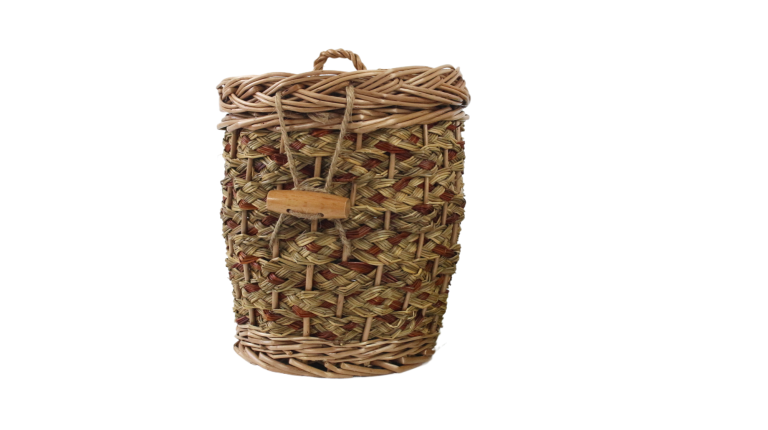
The global movement toward eco-friendly funerals aligns with the environmental ethics of many religious traditions. As concerns about climate change and ecological sustainability grow, green burials—practices that avoid embalming chemicals, non-biodegradable materials, and habitat disruption—resonate with spiritual principles that emphasize simplicity, reverence for nature, and the return of the body to the earth. From Buddhism’s teachings on interconnectedness to Islam’s emphasis on modest decomposition, religious traditions worldwide offer profound support for sustainable end-of-life practices .
Buddhism: Harmony with Natural Cycles
Buddhism’s core tenets prioritize non-harm (ahimsa), impermanence, and interconnectedness. These ideals align closely with green burials, which emphasize minimal environmental impact. For example, Buddhist burials often avoid embalming, using simple shrouds or biodegradable caskets to allow the body to decompose naturally. This practice reflects the belief that death is a transition within the cycle of rebirth, where the body returns to the earth without disrupting ecosystems . In Japan, jumokusō(tree burials)—where ashes are interred at the base of a tree—combine Shinto reverence for nature with Buddhist ideals, creating living memorials that support reforestation .
Islam and Judaism: Simplicity and Speed
Islamic and Jewish burial traditions inherently support sustainability. Islamic rites require rapid burial (within 24 hours), avoiding embalming and using plain white shrouds (kafan) to allow natural decomposition. This practice honors the belief that the body belongs to God and should return to the earth humbly . Similarly, Jewish law (Halakha) mandates burial in plain wooden caskets with holes to accelerate decay, reflecting the principle of “dust to dust.”Both traditions prioritize simplicity, reducing carbon footprints by eliminating chemicals and non-biodegradable materials . In the UK and the U.S., Muslim and Jewish communities increasingly adopt biodegradable materials, partnering with green cemeteries to align faith with ecological stewardship .
Indigenous and Christian Traditions: Stewardship and Renewal
Indigenous spiritualities worldwide view green burials as an extension of their sacred relationship with the land. For instance, Māori communities in New Zealand practice natural interments to honor Papatūānuku(Earth Mother), using woven blankets or wooden coffins to foster habitat regeneration . Similarly, Christianity’s concept of “stewardship of creation” supports eco-friendly funerals. Pope Francis’s encyclical Laudato Si’calls for environmental responsibility, inspiring Catholic “green cemeteries” that forgo vaults and embalming. These sites often double as conservation areas, merging the hope of resurrection with ecological renewal .
Challenges and Innovations
While many religions embrace green funerals, challenges persist. The Catholic Church, for example, opposes human composting for potentially violating the dignity of the body . However, most faiths are adapting through dialogue and innovation. Hindu communities, traditionally reliant on cremation, now explore water cremation (alkaline hydrolysis) to reduce air pollution, while Sikhs incorporate tree planting as an alternative to conventional burials .
Conclusion
The synergy between religious ethics and green funerals underscores a universal truth: honoring the dead need not come at the earth’s expense. By integrating traditions like Buddhist tree burials, Islamic shrouds, or Christian conservation cemeteries, societies can foster a global culture of sustainability—one that respects both spiritual diversity and planetary health .
We are a factory supporting eco friendly green funeral(natural willow coffins\bamboo caskets and so on) .. for detail please contact us www.roconly.com;
Roconly (LinYi) Funeral Supplies Co.,Ltd.
https://roconly.com/
Whatsapp: +86-18265103836 (Whatsapp & Wechat & Tel)
Email: jason@roconly.com