Table of Contents
A difficult moment deserves a simple plan
When a beloved pet dies at home, the first few minutes can feel unreal. Families may be upset, unsure whom to call and worried that every decision must be made immediately. In most cases, it is better to move carefully. The first priority is not choosing a coffin, urn or memorial. It is confirming what has happened, keeping the pet in a respectful setting and contacting the right professional if guidance is needed. A veterinarian, emergency clinic or local pet aftercare provider can usually explain the next steps available in the area.
Confirm the situation if you are uncertain
If the death was sudden, unexpected or not completely certain, contact a veterinarian as soon as possible. A veterinary professional can confirm death and advise whether the circumstances require special handling. If poisoning, trauma, infectious disease or another unusual cause may be involved, ask the veterinarian how the body should be handled before moving or preparing it. This is especially important when other animals are in the home.
Create a cool, quiet resting place
If some time is needed before transport, place the pet in a clean, quiet and cool area. Use a soft towel, blanket or absorbent pad underneath. Larger pets may be easier to move with two people and a sturdy blanket used as a support sling. Natural changes begin after death, so professional transport or final care should normally be arranged without unnecessary delay. The exact time available depends on temperature, body size and health circumstances, so local professional guidance is the safest source.
Decide whether you want time for a final goodbye
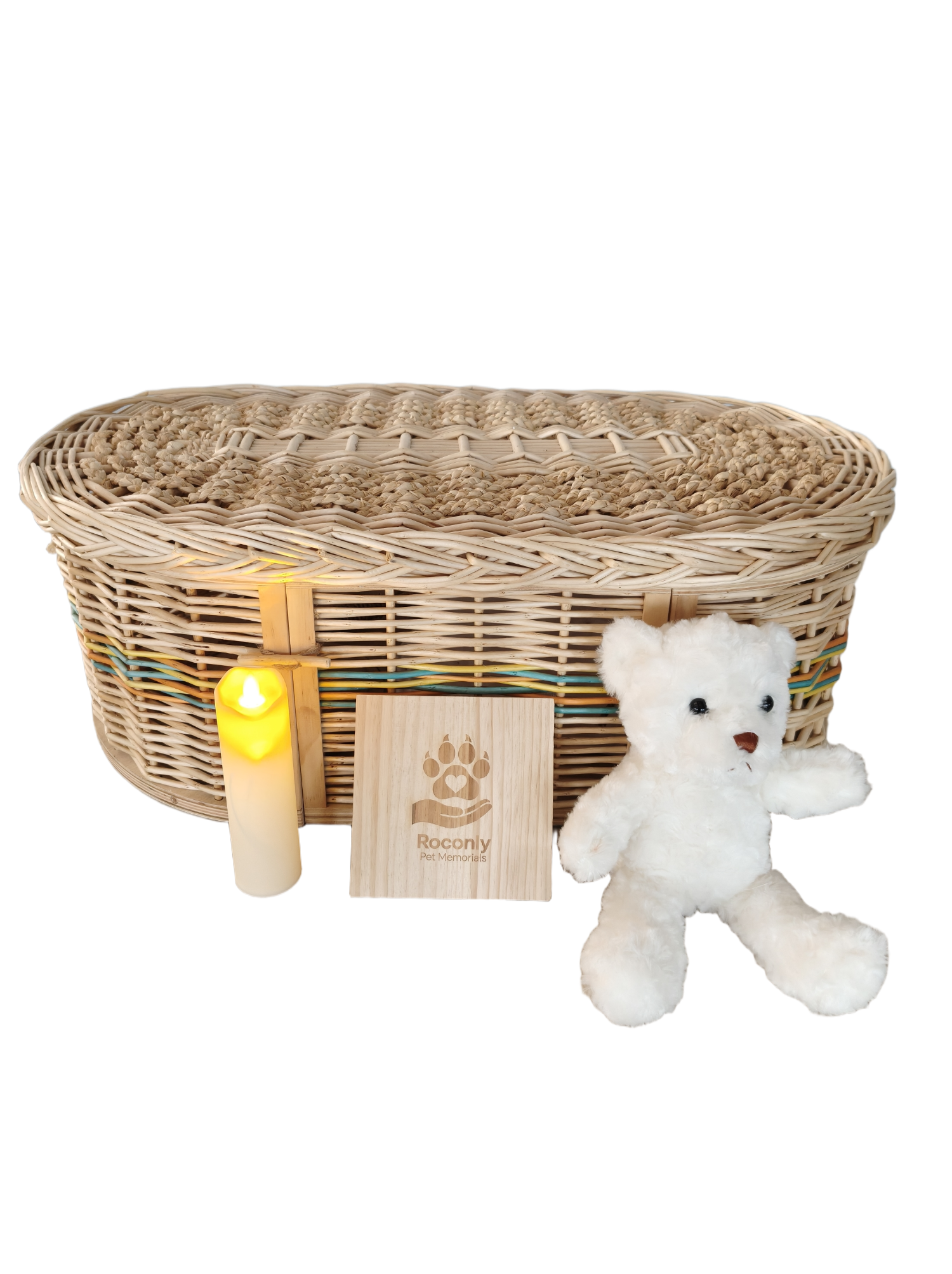
Some families want only a brief goodbye. Others may wish to sit quietly with their pet, invite close family members, place flowers nearby or keep the collar and name tag before the pet leaves. There is no single correct ritual. A simple farewell can be enough. A lined pet farewell basket may create a softer setting for viewing before burial or cremation, but any product intended to enter a cremation process should first be approved by the individual crematorium.
Choose the aftercare route
The main final-care routes are usually burial or cremation, although availability varies. Burial may take place at a pet cemetery or, where legally permitted, on private property. Local rules can cover burial depth, water protection, land ownership and materials. Cremation may be communal or individual; when ashes are returned, the family can later choose an urn, natural container, memory box or another keepsake. A veterinarian or aftercare provider can explain what services exist locally.
Keep the items that matter
Before the pet leaves, consider whether to keep a collar, harness, tag, favourite small toy, lock of fur, photograph, paw print or handwritten note. These items can later be placed together in a pet memory box. The box does not need to be elaborate; its value is simply keeping the most meaningful objects together. Memorial decisions can wait until the family is ready.
Questions worth asking a provider
Ask what happens from collection to final return, how the pet is identified, whether cremation is individual or communal, what temporary ashes container is supplied, whether a family-supplied urn can be used, and whether blankets, baskets, caskets or decorations are restricted. Clear answers reduce uncertainty and help families understand which decisions are urgent and which can wait.
A gentle next step
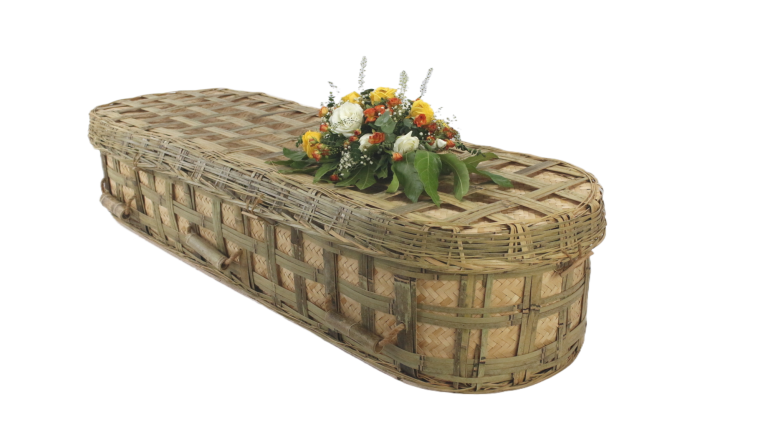
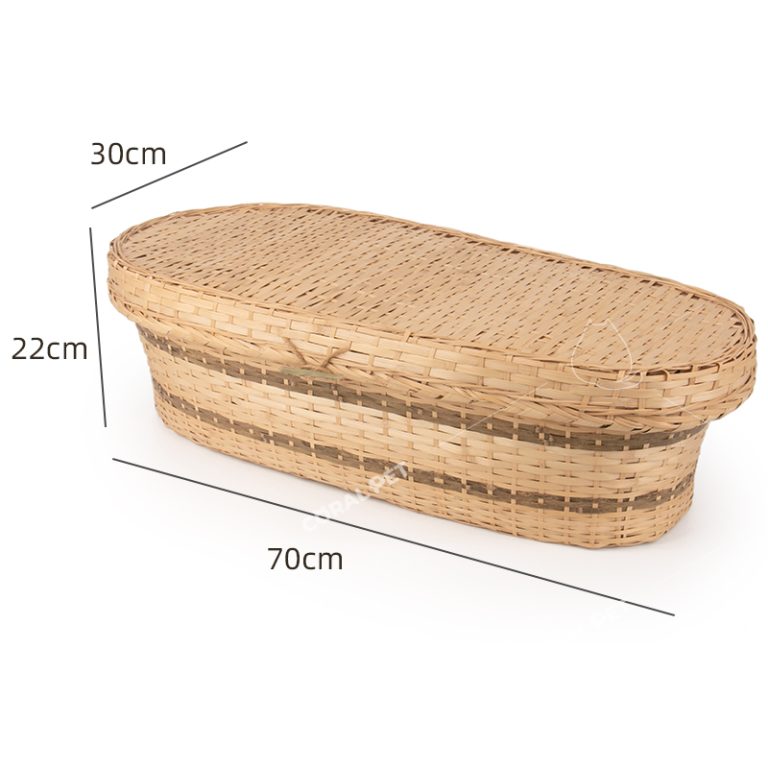
Begin with one practical action: call the veterinarian or a trusted local pet aftercare provider. Ask what needs to happen today, what options are available and what choices can be made later. Roconly views pet aftercare as a journey rather than a single product: farewell, final care and remembrance. Natural willow can support parts of that journey through farewell baskets, burial caskets, woven memorial containers and memory boxes, but the family’s needs should always come first.https://youtube.com/shorts/el-RwVSsqQ4?feature=share
Frequently Asked Questions
Do I need to buy a pet coffin immediately?
No. First decide on the aftercare route. A burial casket may be relevant for burial, while cremation providers may have different requirements.
Can I choose a memorial later?
Yes. Many families make the urgent aftercare decision first and choose an urn, keepsake or memory box later.
Who should I call first?
A veterinarian or trusted local pet aftercare provider is usually the best first contact.