Eco-Rest: Handwoven Willow Coffins from Linshu, the Heartland of Chinese Willow Craft​

Eco-Rest: Handwoven Willow Coffins from Linshu, the Heartland of Chinese Willow Craft​

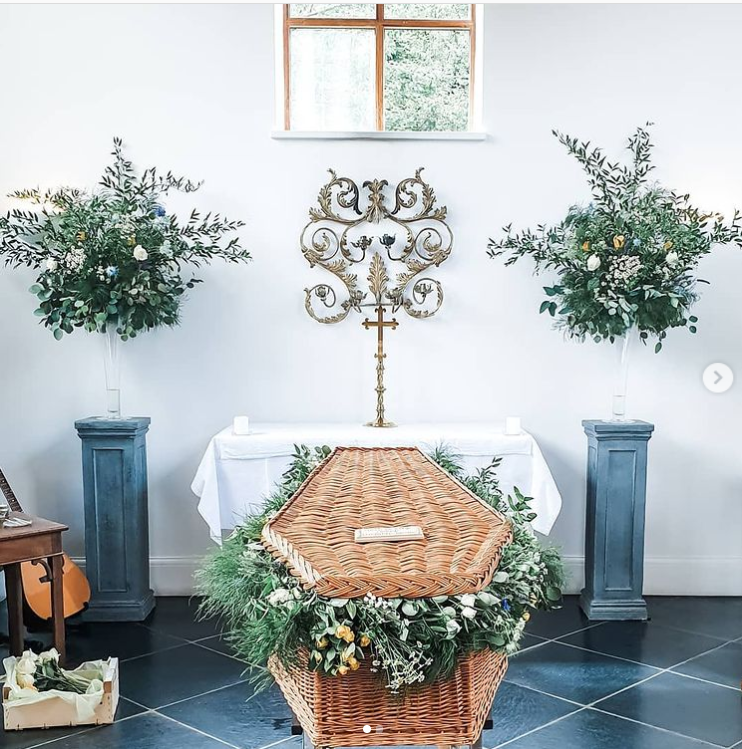
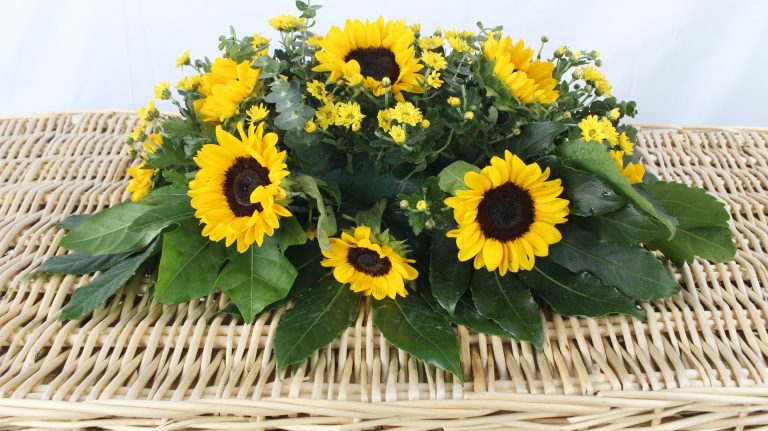
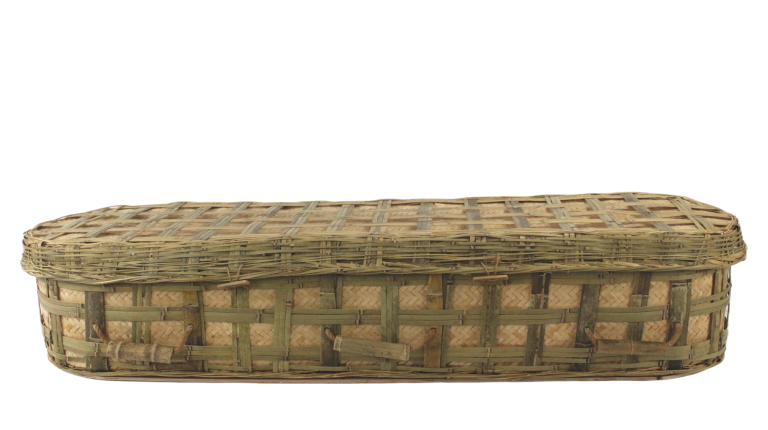
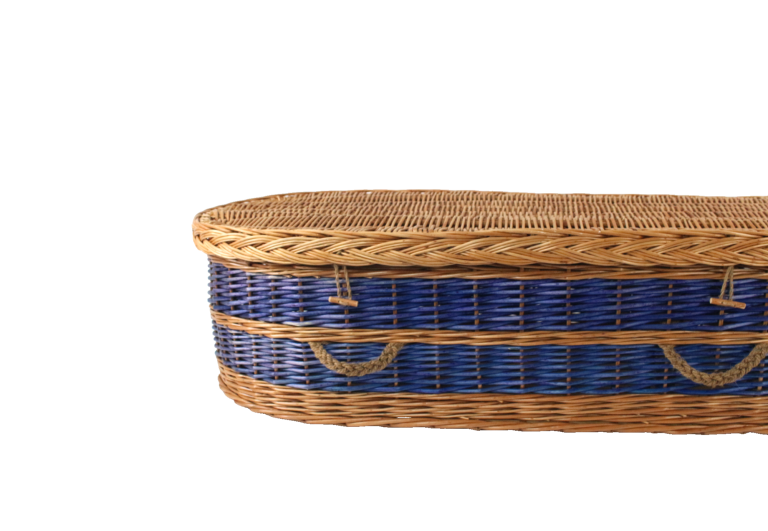
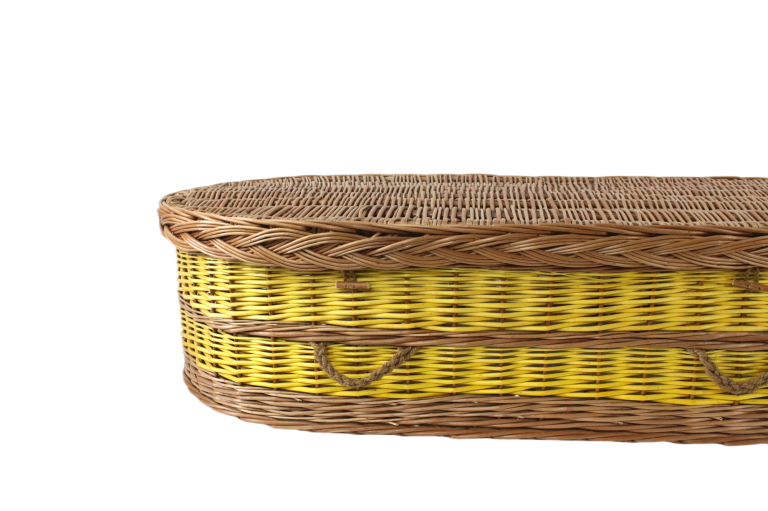
Nestled in Shandong Province, Linshu County stands as a global hub for willow weaving, a craft honed over 1,400 years and recognized as a Chinese national intangible cultural heritage . Here, artisans skillfully transform natural willow into biodegradable coffins, offering a sustainable choice for the modern green funeral movement. These handmade…

The Life Cycle of a Willow Casket: From Riverbank to Return to Soil

The Life Cycle of a Willow Casket: From Riverbank to Return to Soil

The journey of a willow casket begins on the riverbanks of Linshu County, Shandong Province—China’s ancestral home of willow weaving with a 1,400-year history . Here, 600 hectares of standardized 杞柳 (Qi willow) plantations thrive in fertile river valleys, their branches nurtured by temperate climates to grow smooth, straight, and…

Hands of the Weaver: Mastering Willow Coffin Art in Rural England

Hands of the Weaver: Mastering Willow Coffin Art in Rural England

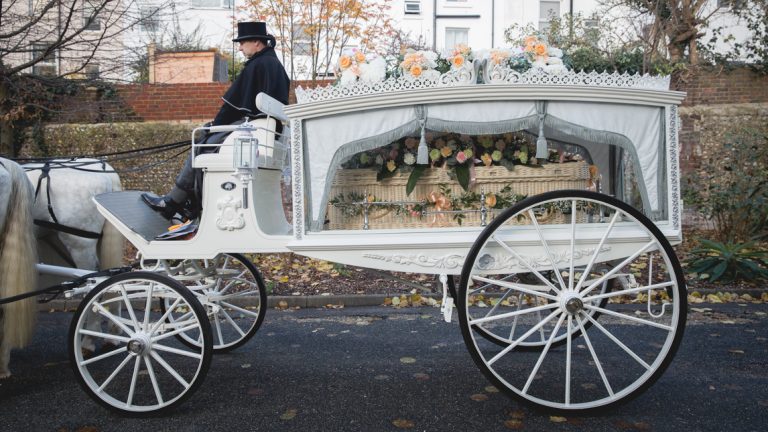
The Roots of a Rural Craft In the quiet countryside of rural England, a traditional craft continues to thrive through the skilled hands of weavers who transform humble willow rods into elegant, sustainable coffins. This practice represents more than just a local industry; it is a testament to rural heritage that connects communities across…

Hands of the Weaver: Mastering Willow Coffin Art in Rural England​

Hands of the Weaver: Mastering Willow Coffin Art in Rural England​

In the rolling countryside of Somerset and Devon, artisans bend supple willow branches into elegant, eco-friendly coffins, their fingers moving in rhythms honed by generations. Yet few know that the roots of this ancient craft trace back to Linshu County, Shandong Province—China’s premier source factory for willow coffin materials and…

The Environmental Imperative of Funeral Choices

The Environmental Imperative of Funeral Choices

Traditional burial practices present significant environmental challenges. Conventional coffins often contain non-biodegradable materials, toxic finishes, and metal components that can leach into the soil. The manufacturing processes typically consume substantial energy and resources. Similarly, cremation, while saving land, consumes energy and releases carbon dioxide—over 227 kilograms per body. Each traditional…

Eco-Friendly Farewells: The Rise of Biodegradable Coffins

Eco-Friendly Farewells: The Rise of Biodegradable Coffins

In an era where environmental consciousness permeates every aspect of life, even death is undergoing a green transformation. The rise of biodegradable coffins represents a profound shift toward sustainable end-of-life practices, challenging the traditional funeral industry’s reliance on resource-intensive materials like hardwood and metal. Among these eco-friendly alternatives, wicker coffins—crafted…

Beyond the Wood: Why Biodegradable Caskets are the Final Gift to the Earth

Beyond the Wood: Why Biodegradable Caskets are the Final Gift to the Earth

In an era of climate crisis and resource depletion, every choice—including our final farewell—can be a meaningful act of environmental stewardship. Biodegradable caskets, particularly those crafted from woven natural materials, are emerging as a powerful symbol of humanity’s reconciliation with nature. These eco-friendly alternatives not only honor the deceased but…

A Greener Tomorrow: How Woven Funeral Products Contribute to Sustainable Development

A Greener Tomorrow: How Woven Funeral Products Contribute to Sustainable Development

The global pursuit of sustainable development has pushed every industry to rethink its environmental footprint—including the funeral sector, long criticized for resource waste and carbon emissions. Biodegradable woven coffins, crafted from natural materials like willow and bamboo, have emerged as a powerful catalyst for change. Beyond their eco-friendly attributes, these…

A Greener Tomorrow: How Woven Funeral Products Contribute to Sustainable Development

A Greener Tomorrow: How Woven Funeral Products Contribute to Sustainable Development

In an era defined by climate change, the pursuit of sustainability is extending to all aspects of life, including how we choose to say our final goodbyes. The conventional funeral industry, characterized by resource-intensive hardwoods, metals, and toxic embalming fluids, poses a significant environmental burden In response, biodegradable coffins crafted…

Eco-Friendly Farewells: The Rise of Biodegradable Wicker Coffins

Eco-Friendly Farewells: The Rise of Biodegradable Wicker Coffins

As global sustainability efforts deepen, the funeral industry is shedding its environmentally harmful practices, with biodegradable wicker coffins emerging as a pivotal innovation. Crafted from renewable 柳条 (wicker), these coffins offer far-reaching long-term value for global sustainability, while China’s Linyi Linshu Wicker Weaving Source Factories stand as the backbone of…

Beyond the Wood: Why Biodegradable Caskets are the Final Gift to the Earth

Beyond the Wood: Why Biodegradable Caskets are the Final Gift to the Earth

In an era of climate urgency, every choice we make—including how we lay our loved ones to rest—carries ecological weight. Traditional burials, with their resource-intensive metal, hardwood, or chemically treated caskets, often leave a lasting environmental burden. In contrast, biodegradable caskets crafted from materials like willow, bamboo, or seagrass offer…